A meningitis outbreak in Kent has taken a darker turn, with two more confirmed cases pushing health officials into emergency action and raising fears that many young people may be dangerously unprotected.
The trigger for that alarm is strain B meningitis, the form identified in the two fatal cases. For a lot of families, that detail changes everything. The MenB vaccine was only added to routine NHS childhood immunisations in 2015, which means many teenagers and university-age students never received it as part of the standard schedule.
In other words, a large group of young people now caught in the social intensity of student life may have little or no routine protection against one of the most feared forms of the disease.
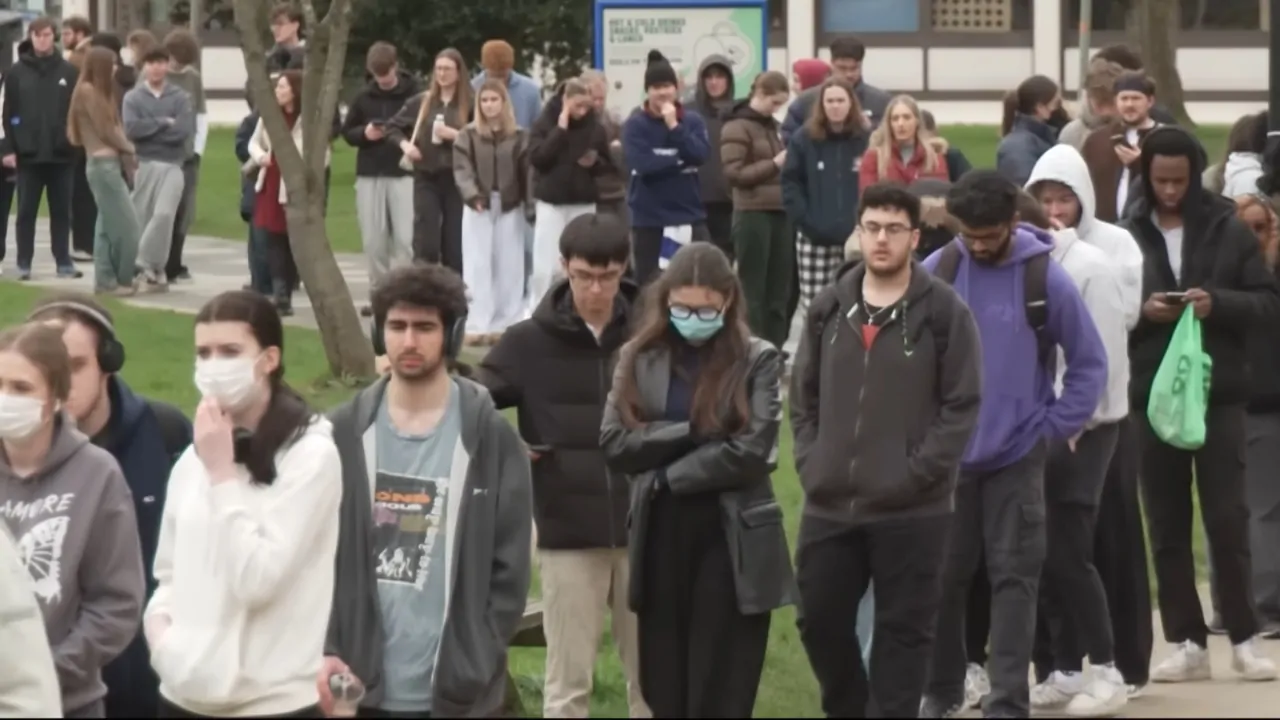
That is why the UK Health Security Agency has now announced a targeted vaccination programme for students living in halls on the University of Kent’s Canterbury campus. Officials say the rollout will begin in the coming days and may be expanded if the threat continues to grow.
At the same time, pressure is building for a much wider NHS catch-up campaign, especially as pharmacies warn that private supplies of the meningitis B vaccine are starting to run low.
The outbreak is no longer a story of isolated concern. Confirmed cases have now climbed from 13 to 15. Four of those cases, including the two deaths, have been confirmed as meningitis B, while the rest remain under investigation.
That uncertainty is only adding to the anxiety, because it means the full scale of the outbreak may not yet be clear.
Why Students And Families Are Now On Edge
View this post on Instagram
Health officials are urging anyone offered preventive antibiotics to take them immediately. Their message has been direct: do not wait, do not assume the danger has passed, and do not ignore the advice.
Students who have been given antibiotics have been told it is safe to return home afterward, but the sense of urgency around the response shows how seriously authorities are taking the threat.
The outbreak has also reopened a larger question that goes far beyond Kent. Should everyone born before 2015 now be offered a catch-up meningitis B vaccine? Pharmacy leaders say worried families are already rushing to secure private jabs, but stocks are dwindling.
That has created a growing sense of unfairness around access, because the private route is expensive, with a full two-dose course costing roughly £200 to £240 in the UK. For many families, that is a heavy price to pay in the middle of a public health scare.
What makes meningitis especially frightening is how fast it can move. Experts warn that early symptoms can appear mild, vague, or easy to dismiss, then spiral into a life-threatening emergency within hours.
That speed is what makes outbreaks like this so terrifying. A young person can seem only slightly unwell, then suddenly become critically ill before anyone fully understands what is happening.
The tragedy has already become painfully personal. One of the people who died was a year 13 pupil from Faversham, named only as Juliette at her family’s request.
The other was a student at the University of Kent. Others remain in hospital, and across Kent, the outbreak has left students, parents, schools, and local communities shaken.
The Bigger Fear Is That This Could Become A National Debate

Officials are now tracing possible exposure routes with growing intensity. Anyone who visited Club Chemistry in Canterbury on 5, 6, or 7 March has been advised to come forward for preventive antibiotics as a precaution.
More than 2,000 people are believed to have visited the venue across those dates, which shows just how quickly concern can spread when a disease is linked to crowded student spaces and close social contact.
Experts say meningococcal disease can spread in a number of ways tied to close contact. Sharing vapes has come under scrutiny after one parent suggested her daughter may have picked up the infection that way.
Three schools and university in Kent confirm meningitis cases as deadly outbreak ‘linked to nightclub, parties and sharing vapes’ continues to spread https://t.co/6wE7h1DtHC
— Daily Mail (@DailyMail) March 16, 2026
Specialists have been careful not to frame vaping as the sole cause, but they have made clear that sharing anything that goes in the mouth can increase the risk of transmitting bacteria that live there. In the middle of an outbreak, even habits that once felt harmless suddenly take on a much more serious meaning.
Now the question hanging over this story is bigger than the Canterbury campus. It is whether this outbreak will force the NHS and public health authorities to rethink how Britain protects an entire age group that missed routine MenB vaccination.
What began as a local health emergency is starting to look like something much larger: a test of whether the country is prepared to close a vaccine gap before more lives are lost.