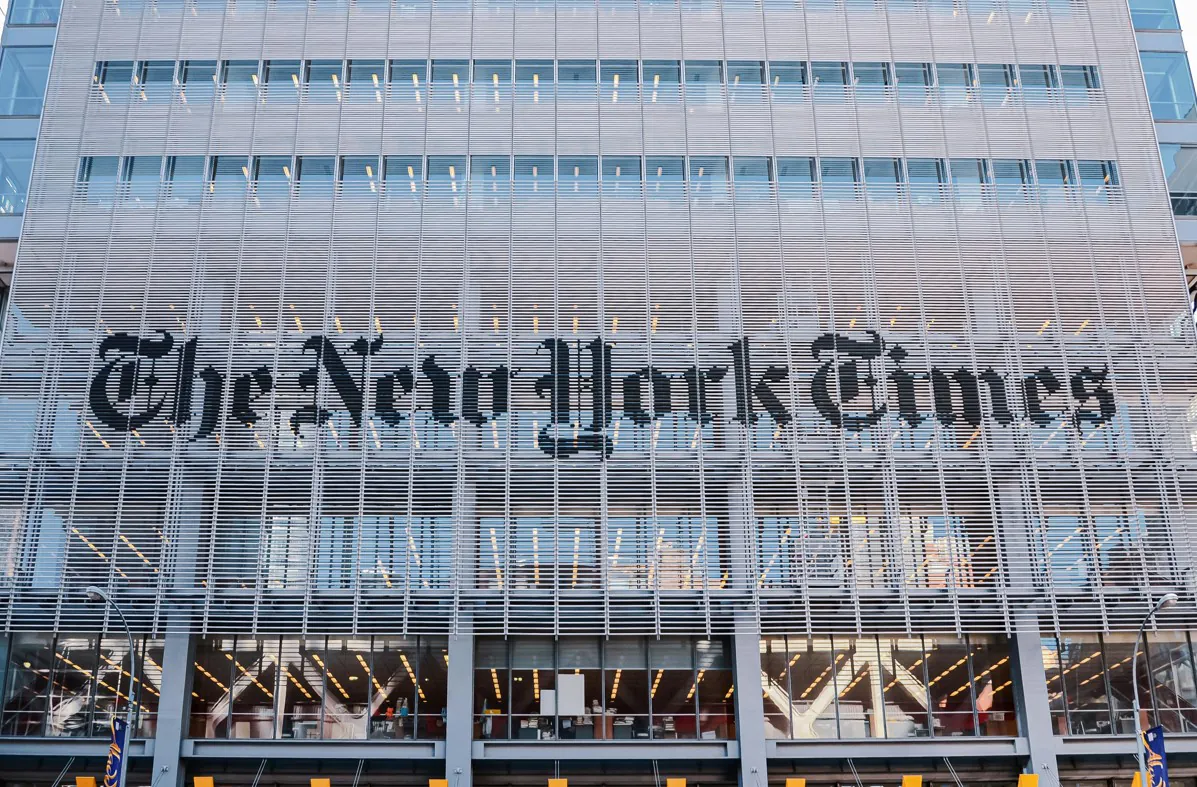
The Trump administration sought phone records belonging to several New York Times journalists and some of their relatives as part of an investigation into who provided information about security problems involving President Donald Trump’s new Air Force One.
The requests went further than previously known. Federal prosecutors also subpoenaed three Times reporters to testify before a grand jury, potentially forcing them to answer questions about confidential sources used in reports on the Qatari-provided presidential aircraft.
The New York Times has asked a federal judge to cancel the subpoenas. U.S. District Judge Arun Subramanian temporarily blocked their enforcement and scheduled arguments for Thursday afternoon in federal court in Manhattan.
No final decision had been issued as of Thursday morning.
The Dispute Started With Reporting About the New Air Force One
The investigation centers on New York Times articles published on July 8 and July 9. The newspaper reported that the aircraft provided by Qatar lacked some defensive equipment installed on the older presidential planes, including antimissile systems.
Trump used the new aircraft to fly to a NATO meeting in Turkey but returned for part of the journey on an older Air Force One. The Times reported that the Secret Service requested the switch because of concerns about the new plane’s defensive capabilities.
Trump denied that security problems influenced the decision. The White House described the aircraft as safe and said the change of planes was part of a security misdirection.
The Qatari jet was provided to the United States before being converted for presidential use. The administration reportedly spent $400 million retrofitting and upgrading it.
Before the Times published its reporting, an FBI official asked the newspaper to hold the story, citing national security. The official reportedly declined to explain the specific danger and also asked about the identities of the newspaper’s sources.
Prosecutors Sought Testimony and Phone Records
Grand jury subpoenas were delivered to three Times journalists at their homes on July 10. Prosecutors wanted them to appear before a federal grand jury examining a possible disclosure of classified information.
Additional subpoenas sought telephone records connected to several reporters. Some requests covered records beginning January 1, more than six months before the Air Force One articles appeared.
The government also requested records associated with one reporter’s mother and the spouses of two journalists. According to court documents unsealed this week, one relative is a mental health professional whose work involves confidential client communication.
Justice Department lawyers said law enforcement databases associated those telephone numbers with the reporters. Prosecutors said they would abandon requests for numbers that were not actually used by the journalists.
The Times Says the Investigation Is Too Broad
Lawyers for the newspaper argue that the government is using a story about one aircraft to examine the reporters’ wider network of sources. The January start date for some phone-record requests is central to that argument because it predates the articles at the center of the investigation.
The Times also says prosecutors failed to provide proper notice and did not exhaust less intrusive methods before seeking information connected to journalists and their families.
The newspaper filed its request to quash the grand jury subpoenas in the Southern District of New York. Much of the case remains under seal because it involves an active grand jury investigation.
Justice Department officials identify the suspected government leakers as the targets of the investigation. They describe the reporters as material witnesses who received information that may have been classified.
How the Case Could Affect Other Reporters?
The First Amendment protects freedom of the press, but federal law does not provide journalists with an absolute right to conceal a source when a grand jury demands testimony. A reporter who refuses to obey a final court order can be held in contempt and jailed.
Department rules still describe subpoenas involving journalists as an extraordinary investigative step. The current Justice Department policy on obtaining journalists’ records says compulsory legal demands should be used as a last resort and limited to information essential to an investigation.
Attorney General Pam Bondi revised those rules in April 2025, reversing protections adopted during the Biden administration. The change restored the department’s authority to subpoena journalists, obtain phone records and use search warrants during investigations into unauthorized disclosures.
Similar subpoenas were issued earlier this year to journalists at The Washington Post and The Wall Street Journal. Both news organizations challenged the demands, and prosecutors withdrew them before any reporters testified.
What Happens Next?
Judge Subramanian can cancel the subpoenas, narrow their scope or allow prosecutors to enforce them. The Justice Department has also requested a two-week delay, saying developments in the investigation could affect what information it still needs.
An appeal is likely if either side receives an unfavorable decision. Testimony would remain blocked during any additional court review if a judge extends the current order.
The immediate case concerns three reporters and their sources. The larger question is how far a presidential administration may go when investigating leaks that lead to reporting it considers damaging. A ruling that permits broad demands for journalists’ phone records could make confidential sources far less willing to speak with reporters about government conduct.