
Falls in senior living rarely arrive without warning. A resident starts pacing at night. Bathroom trips change. Gait slows. Sleep becomes unsettled. Medication adjustments leave someone less steady. Caregivers may catch some warning signs during rounds, but many happen between visits.
That gap explains why new results around Helpany’s PAUL sensor are worth watching. At Bethesda Gardens Assisted Living and Memory Care Phoenix, Helpany reported a 62% reduction in falls over 90 days compared with the prior 12-month monthly averages.
Memory Care saw a peak fall reduction of 78%, while the system flagged 486 condition changes during the same period. Injury rates were reported 46% below industry benchmarks, and hospitalization rates were 53% lower than national averages.
The results come from one specific deployment, so they should be read with care. Still, the case points toward a bigger senior-care shift: using motion data to spot risk earlier, rather than only reacting after a resident falls.
Why A 90-Day Fall Drop Matters
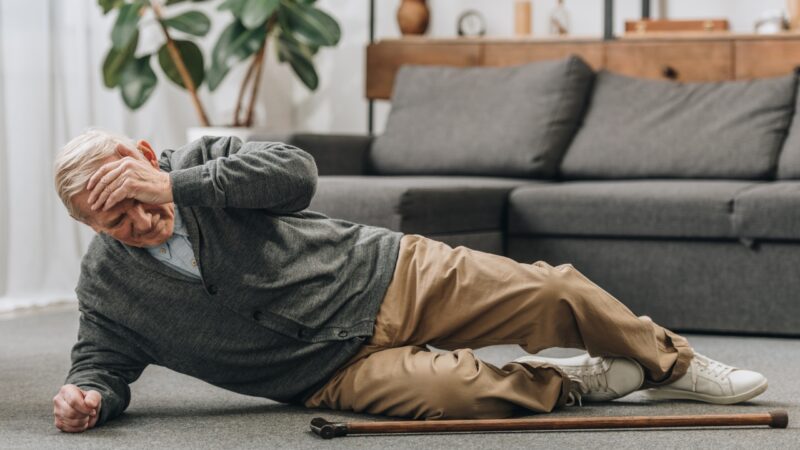
Falls are one of the most expensive and disruptive problems in aging care. CDC data updated in 2026 says more than 1 in 4 Americans age 65 and older fall each year.
Falls lead to about 3 million emergency department visits and about 1 million fall-related hospitalizations annually. One in 10 falls causes an injury serious enough to restrict activity for at least a day or require medical attention.
Facilities face even higher pressure. AHRQ says 700,000 to 1 million people fall in U.S. hospitals each year, and about 1.3 million residents in nursing facilities fall annually. Falls can reduce function, damage confidence, lower quality of life, and increase health care use.
In assisted living, safety planning works best when daily support and fall prevention are treated as part of the same care routine, a point reflected in how Care One describes assisted living as both personal care and a supervised community setting.
So a 62% reported fall reduction over 90 days carries human meaning. It may mean fewer ambulance calls, fewer painful recoveries, fewer anxious family conversations, and more stable routines for residents.
What PAUL Watches Without Cameras
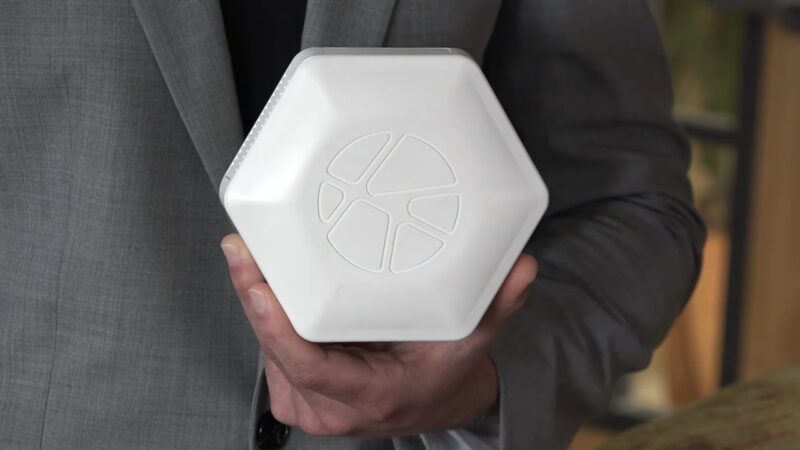
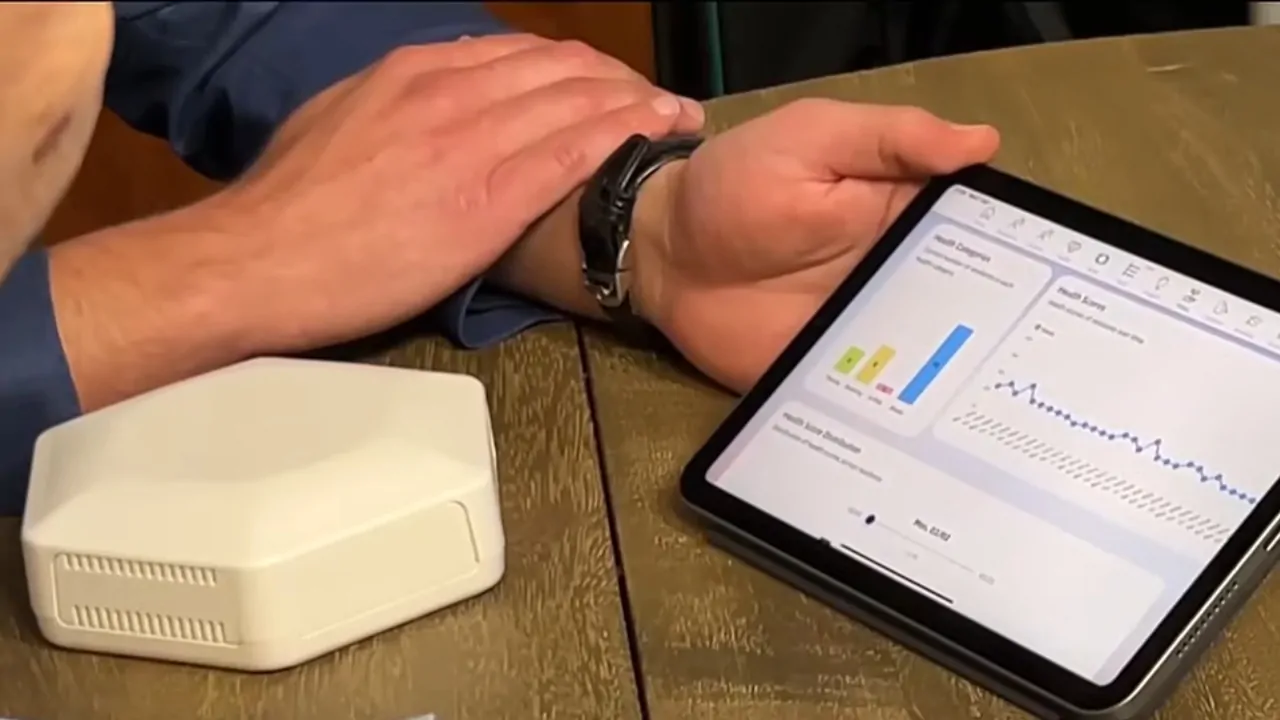
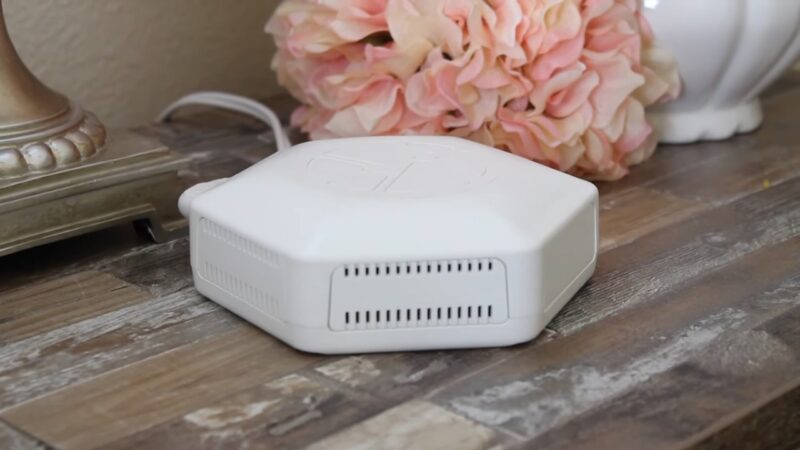
PAUL is Helpany’s radar-based motion monitoring device for senior communities. The company describes it as a ceiling-installed sensor that reads movement patterns without cameras or microphones. Its platform also gives caregivers alerts, dashboards, and resident well-being information.
The practical value is that residents do not need to wear a pendant, press a button, keep a phone nearby, or remember extra steps. PAUL monitors routine movement and looks for changes that may signal rising risk.
A sensor cannot diagnose a urinary tract infection, medication side effect, or fracture. It can flag a change from a resident’s usual pattern. A caregiver can then check in, review notes, escalate to nursing staff, or adjust support. Bethesda Gardens Phoenix is a faith-based, nonprofit senior living community with Assisted Living and Memory Care units. Helpany says the PAUL deployment covered those units and was designed to support up to 147 residents. The 486 condition changes may be the most telling figure. Fall prevention is often discussed through grab bars, mats, alarms, shoes, lighting, or balance work. PAUL adds another layer: health drift. A resident may become riskier because sleep worsens, movement drops, toileting patterns shift, or agitation rises. Helpany says its flagged patterns helped caregivers spot possible urinary tract infections, medication-related concerns, mobility decline, and behavioral changes before escalation. The case study also says 23% of residents showed gaps between recorded service plans and observed needs, allowing staff to realign support. Older adults often show decline through routine before they describe symptoms. Someone may not say they feel weak, but they may stop walking to meals. Another resident may not report dizziness, yet may sit longer between short trips across a room. A person with early infection or pain may sleep poorly, wander more, or visit the bathroom at unusual times. Radar and ambient sensors fit into senior care because they can turn small deviations into prompts for human review. The caregiver still makes the judgment. The value comes from earlier notice. A 2026 systematic review of fall detection and prediction technologies found growing use of wearable, ambient, and hybrid sensor systems. It also noted a shift from post-fall detection toward proactive fall-risk assessment and pre-impact prediction. At the same time, the review warned that many studies still rely on simulated falls, which means real-world validation remains a major research need. That caveat matters. PAUL’s Bethesda Gardens numbers are promising field results, not a randomized clinical trial. Stronger proof would need longer windows, comparison communities, resident-level risk adjustment, and independent review. Fall technology can create an uncomfortable tradeoff. More monitoring may improve safety, but cameras can feel intrusive in bedrooms, bathrooms, and memory-care environments. PAUL’s radar-based design avoids video and audio, which matters for dignity as much as compliance. Helpany says PAUL uses no cameras and no microphones, while caregivers receive alerts and dashboards rather than images of residents. A 2025 scoping review of sensor-based prevention in long-term care found that patients and health professionals value real-time monitoring, alerts, and sensor integration into everyday care. It also found that privacy and data security remain central concerns for wider acceptance. For families, that balance can be decisive. They want faster help for a parent or spouse, but they may reject visual surveillance. For staff, radar-based alerts can be easier to fold into rounds than video review or wearable-device management. AI fall detection is the ultimate older adult care breakthrough. It predicts accidents with 97% accuracy, prevents 2,000 falls daily (& helps more seniors live independently). It’s already saving thousands of lives. Here’s how AI is revolutionizing healthcare: ? pic.twitter.com/RpdsnjCqsR — seth sternberg (@sethjs) March 24, 2025 The strongest use case for PAUL is timing. A night-shift caregiver may have many residents who could need help getting up. Without live signals, rounding follows a schedule or responds after a call light. With pattern-based alerts, staff can focus on residents showing unusual movement or risk at that moment. Helpany’s broader Arizona report, covering 10 senior communities, said PAUL users saw an average 66% fall reduction, with some communities reaching up to 72% fewer incidents. The same report said the platform enabled more than 1,000 proactive interventions and helped some communities cut fall-related 911 calls by up to 80%. Those figures should not be treated as automatic outcomes. Building layout, staff response, resident acuity, alert thresholds, leadership discipline, and documentation habits can all shape results. A strong fall-prevention platform should make care clearer, not noisier. Senior-living leaders considering PAUL or a similar tool should ask direct questions before signing a contract. PAUL’s 90-day results at Bethesda Gardens are notable because they connect fall reduction with earlier recognition of health changes. The 486-flagged condition changes matter because prevention often depends on detecting subtle decline before an emergency. The case is promising, not definitive. Better senior care still depends on observant caregivers, accurate service plans, clinical judgment, and resident trust. AI sensors can strengthen that work when they deliver timely signals, protect privacy, and fit smoothly into daily care.
The Bethesda Gardens Numbers At A Glance
Reported Metric
90-Day Result
Overall fall reduction
62%
Assisted Living fall reduction
62%
Memory Care peak fall reduction
78%
Condition changes identified
486
Average insights per day
5.4
Care-plan discrepancies found
23% of residents
Injury rate comparison
46% below industry benchmarks
Hospitalization rate comparison
53% lower than national averages
Why Motion Data Can Signal Health Decline
Privacy Gives The Tool A Stronger Case
Where AI Helps Caregivers Most
What Facilities Should Ask Before Adoption
Bottom Line