Two Georgia residents are being monitored by state health officials after returning from the MV Hondius, a cruise ship linked to a deadly hantavirus outbreak that has led to three deaths and an expanding international contact-tracing effort.
The Georgia Department of Public Health said the two residents are in good health and show no signs of infection. Health officials said they are following guidance and procedures from the Centers for Disease Control and Prevention, according to local reporting on Thursday.
No confirmed hantavirus infection has been publicly announced in Georgia in connection with the MV Hondius. The state update centers on post-travel monitoring after possible exposure, while officials have declined to release where the residents live, whether they are under quarantine, or the full protocol being used.
Latest news: American Passenger Tests Positive For Hantavirus After MV Hondius Evacuation To Nebraska
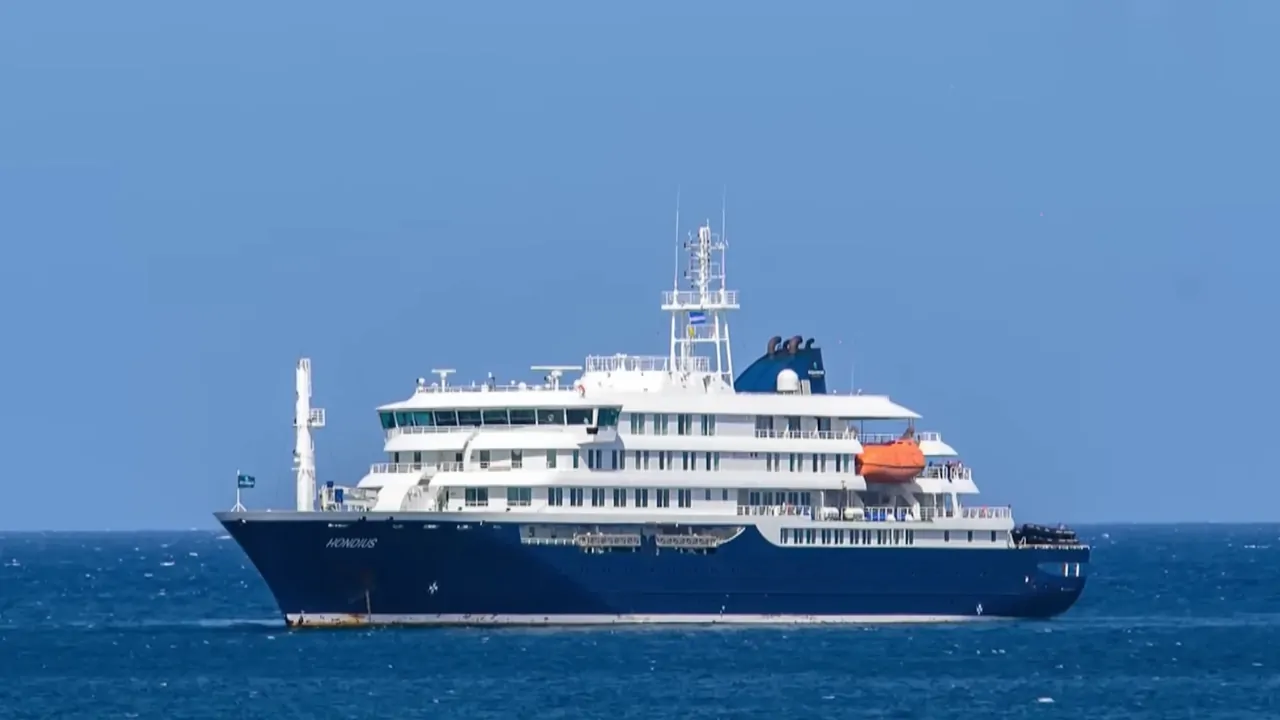
The Georgia Department of Public Health confirmed that two residents returned home after traveling on the MV Hondius, the Dutch-flagged expedition cruise ship at the center of the outbreak. A department spokesperson said both people are currently in good health and show no signs of infection. State officials said the residents are following CDC recommendations. Health authorities have not released further details, including the location of the residents or whether isolation measures are being used. Georgia DPH describes hantavirus pulmonary syndrome as a severe illness caused by viruses carried by certain mice and rats. The agency says infection can happen when people breathe in virus particles from infected rodent saliva, urine, or feces, and it notes that most U.S. cases occur west of the Mississippi River. The disease is not endemic in Georgia, according to the agency. WHO received notice on May 2 of a cluster of severe respiratory illness aboard the ship. As of May 4, the agency had identified seven cases, including two laboratory-confirmed hantavirus infections and five suspected cases. WHO also reported three deaths, one critically ill patient and three people with mild symptoms. Illness onset among the reported cases occurred between April 6 and April 28. WHO said patients had fever, gastrointestinal symptoms and rapid progression to pneumonia, acute respiratory distress syndrome and shock. The official WHO outbreak notice remains the clearest baseline for the early case count, but later reporting indicates that laboratory confirmation has expanded. The Associated Press reported Thursday that tests had confirmed at least five people from the ship were infected with Andes virus, a hantavirus found in South America. AP also reported that three passengers had died, several others were sick, and three people, including the ship doctor, were evacuated while the vessel was near Cape Verde and taken to Europe for treatment. Hantavirus usually spreads when people inhale contaminated particles from rodent droppings, urine or saliva. WHO says human infection is primarily tied to contact with infected rodents, while limited person-to-person transmission has been reported in previous Andes virus outbreaks. That detail matters because the Andes virus differs from hantaviruses usually found in the United States. CDC says Andes virus, found in South America, has reportedly shown person-to-person transmission, while hantaviruses found in the United States are not known to spread between people. Health officials are not treating the situation as a broad community threat, but the Andes strain gives authorities reason to monitor passengers, crew members and close contacts during the possible incubation period. One of the biggest contact-tracing challenges began after passengers left the ship at Saint Helena before the outbreak was fully identified. AP reported that 29 passengers disembarked there on April 24, while the Dutch Foreign Ministry placed the number at about 40. The passengers came from at least 12 nationalities, according to the ship operator. The first confirmed case in a passenger was reported on May 2, after one British passenger had been evacuated from the ship to South Africa from Ascension Island, according to AP and WHO. By that point, passengers who had left at Saint Helena had already moved on to other countries. Authorities in South Africa and Europe are tracing contacts of passengers who left the vessel. A man who disembarked at Saint Helena later tested positive for hantavirus in Switzerland, AP reported. ? A suspected hantavirus patient has been removed from cruise ship MV Hondius on a stretcher by responders in full protective gear. Source: Channel 4 https://t.co/5HZVc0thAh pic.twitter.com/8OdRoqZAT9 — Mario Nawfal (@MarioNawfal) May 6, 2026 The MV Hondius was en route Thursday to Tenerife in the Canary Islands of Spain, according to CNN reporting carried by ABC7 Chicago. The voyage from Cape Verde to Tenerife was expected to take about three and a half days. The ship left Cape Verde shortly after three people were evacuated from the vessel. Two patients were taken to Amsterdam and received by specialist medical teams, according to the cruise operator cited in the CNN report. British health officials have also outlined isolation plans for returning nationals. The Guardian reported that British passengers returning from the MV Hondius would be asked to self-isolate for 45 days, while two British nationals who left the ship earlier were already isolating at home and had no symptoms. WHO said the first known patient developed fever, headache and mild diarrhea on April 6 and died on board on April 11. A female close contact left the ship at Saint Helena on April 24 with gastrointestinal symptoms, which worsened during travel to Johannesburg and died after arrival at an emergency department. WHO said her infection was later confirmed by PCR testing. A third death was reported on May 3. WHO said further investigations were ongoing and that the outbreak response included case isolation and care, medical evacuation, laboratory testing and international coordination. Hantaviruses are a family of viruses that can cause severe illness, including hantavirus pulmonary syndrome. CDC says people usually become infected through contact with rodents, especially by breathing in particles from rodent urine, droppings or saliva. CDC says hantavirus pulmonary syndrome usually begins one to eight weeks after contact with an infected rodent. Early symptoms can include fatigue, fever and muscle aches, with some patients also reporting headache, dizziness, chills, nausea, vomiting, diarrhea or abdominal pain. Later symptoms can include coughing, shortness of breath and chest tightness as fluid builds in the lungs. CDC says early symptoms can resemble many other respiratory illnesses, which can make diagnosis difficult at the start of illness. Cruise ship outbreaks usually bring attention to viruses that spread through close indoor contact or contaminated food. A hantavirus outbreak aboard a vessel is unusual because hantavirus exposure usually involves rodents or contaminated rodent material. Investigators are still working to determine whether exposure happened before boarding in Argentina, during the voyage, or through close contact involving Andes virus. Case numbers may shift because suspected cases need laboratory confirmation. WHO listed two confirmed cases and five suspected cases on May 4, while later AP reporting said at least five infections had been confirmed as Andes virus. Newsrooms should avoid treating one number as final until WHO or national health agencies issue a new formal update. Public health officials are focusing on people with a direct link to the ship, close contacts of infected passengers and passengers who left the vessel before contact tracing began. Current evidence does not point to community spread in Georgia. The two Georgia residents under monitoring have no symptoms, and the Georgia Department of Public Health has not announced any confirmed case tied to the outbreak. Georgia health officials are monitoring two residents after possible exposure connected to the MV Hondius, but no illness has been announced in the state. The wider outbreak has killed three people, led to medical evacuations and triggered contact tracing in multiple countries. For now, Georgia involvement remains limited to monitoring two symptom-free residents while international health authorities continue to investigate how the virus reached passengers and whether any additional contacts need medical follow-up.Highlights
What Georgia Officials Have Said?
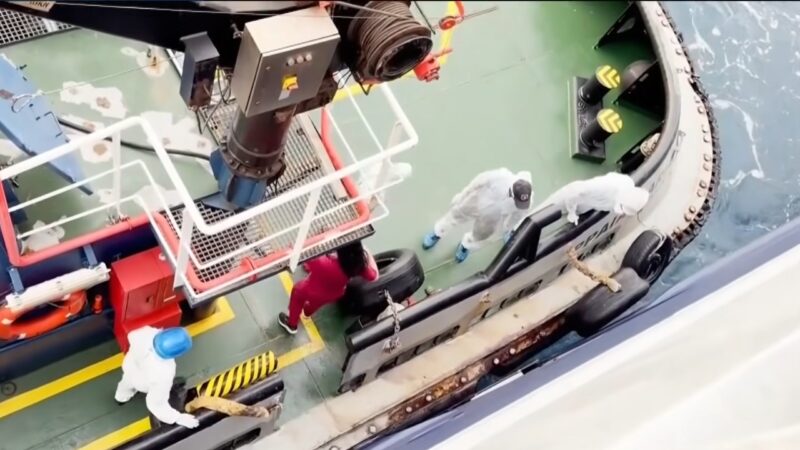
Outbreak Linked To MV Hondius
The MV Hondius left Ushuaia, Argentina, on April 1 for a South Atlantic voyage. The World Health Organization said the ship was carrying 147 passengers and crew members from 23 nationalities when the outbreak was reported.Why Health Officials Are Watching Contacts?
Why did the Saint Helena Stop Raised Concern?
Ship Heads Toward Canary Islands
How The First Fatal Cases Developed?
What Is Hantavirus?

Symptoms Health Officials Watch For
Additional Insight
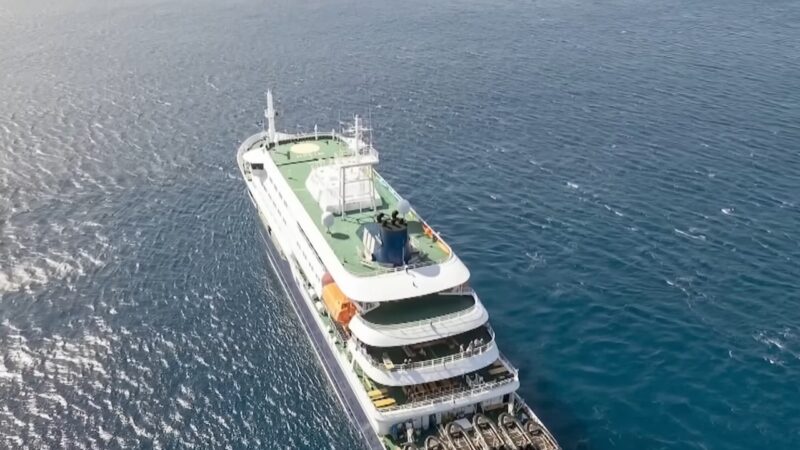
1. Why The Outbreak Is Unusual?
2. Why Counts May Change?
3. The Public Risk Remains Low
Bottom Line