
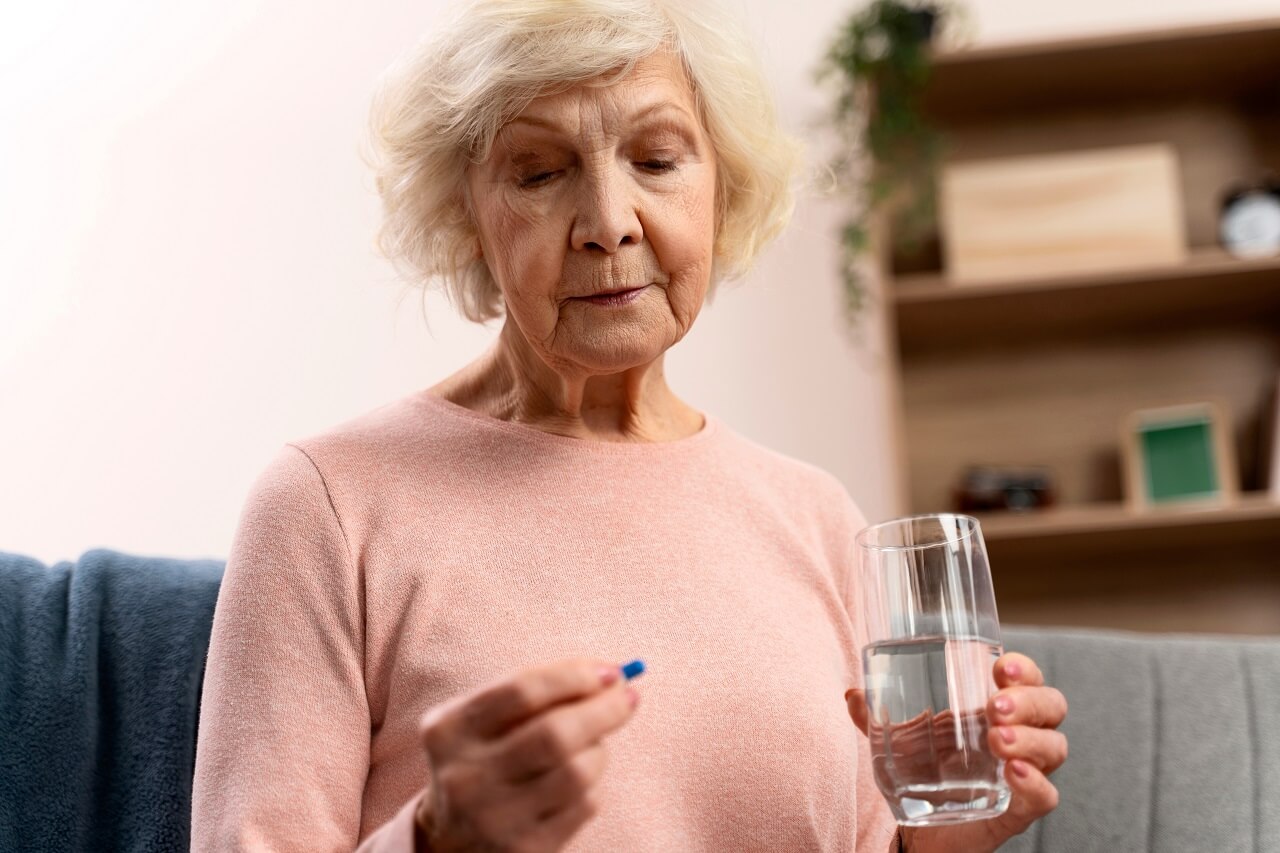
For decades, seniors have taken calcium and vitamin D with one specific goal: keeping their bones strong and avoiding dangerous fractures. But a major new review published in The BMJ turns that long-held medical consensus on its head.
After looking at the data, researchers found that daily supplements of calcium, vitamin D, or both do almost nothing to protect the average senior from falls or broken bones. The nutrients themselves are still essential for overall muscle and skeletal health, but the study fundamentally challenges the idea that over-the-counter pills work as an insurance policy against injury.
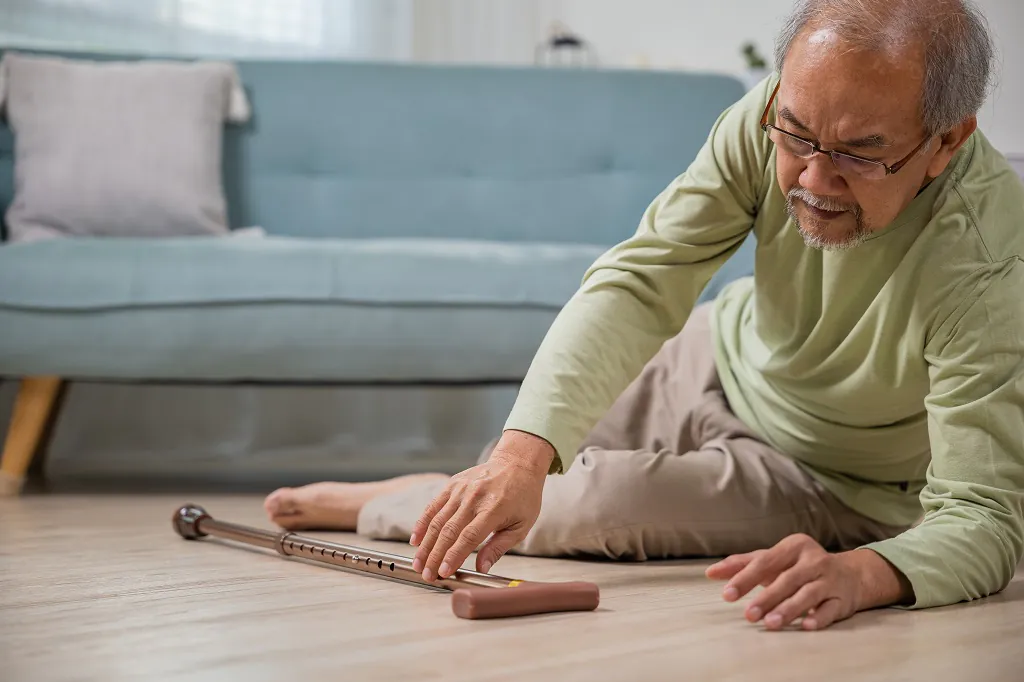
The findings, which were also reported by ScienceDaily and Inshorts, come at a critical time. Falls are a massive threat to independence in later life.
According to the Centers for Disease Control and Prevention, more than 14 million Americans over 65 fall every year, with over a third of those tumbles causing injuries that require medical care or halt daily activity.
This data is a wake-up call. It does not mean seniors should ignore bone health, but it shows that preventing falls and fractures is far more complex than just taking a daily pill.
What the BMJ Data Actually Show
To understand why these findings carry so much weight, look at the sheer scale of the architecture behind them. Because it pools data from dozens of separate trials, a systematic review of this caliber represents the highest tier of medical evidence.
Researchers meticulously analyzed 69 randomized controlled trials encompassing a massive cohort of 153,902 older adults. These trials compared individuals taking calcium, vitamin D, or a combination of both against those receiving a placebo or no treatment at all. The endpoint measured was straightforward: did the supplements stop people from falling or fracturing bones?
| Study Parameter | Review Profile & Details |
|---|---|
| Source Journal | The BMJ |
| Publication Year | 2026 |
| Methodology | Systematic review and meta-analysis |
| Data Pool | 69 randomized controlled trials |
| Total Cohort | 153,902 adults |
| Interventions | Calcium, Vitamin D, or combined calcium/Vitamin D supplements |
| Primary Metrics | Incidence of any fracture, hip fractures, specific skeletal breaks, and falls |
| Core Discovery | Negligible to zero clinically meaningful benefits for general fracture or fall prevention |
The results were remarkably consistent across the board. Whether looking at calcium alone, vitamin D alone, or the two taken together, researchers observed no significant reduction in overall fracture rates, specific hip fractures, or the frequency of falls.
Crucially, these insights are backed by high-certainty data. The vitamin D arm of the analysis was drawn from 36 trials totaling over 92,000 participants. The dual calcium and vitamin D data pulled high-certainty evidence from 15 trials representing more than 51,000 individuals. Even the more modest calcium-only group relied on moderate-certainty evidence from 11 trials featuring over 9,000 people. The sheer volume of data makes the conclusions incredibly difficult to dismiss.
Why Intuition and Biology Clash
On the surface, the traditional logic seemed bulletproof: bones are made of calcium, and vitamin D is required to absorb calcium. Therefore, floods of both should equal stronger bones.
However, human biology rarely follows such a linear path. As the NIH Office of Dietary Supplements notes, while vitamin D is undeniably vital for bone mineralization, muscle contractions, and immune health, introducing it as a blanket, mass-market supplement to healthy adults does not automatically translate into a measurable public health victory.
This distinction is critical for patients to grasp. The study is not suggesting that seniors ignore their daily nutritional requirements. Instead, it proves that routine, unguided supplementation is a highly unreliable shield against physical trauma.
Reading Between the Lines: What This Study Does Not Say
Whenever a sweeping study like this drops, there is an immediate risk that patients will abruptly dump their medications into the trash. Medical professionals urge caution, noting that this data applies to the general, relatively healthy population rather than to everyone.
The authors of the BMJ review explicitly stated that their conclusions do not necessarily apply to individuals with severe pre-existing bone disorders or those currently undergoing specialized medical treatment for osteoporosis. Patients dealing with diagnosed vitamin D deficiencies, severe malabsorption syndromes, chronic kidney disease, or a history of fragile bone breaks must continue to follow the tailored guidance of their personal physicians.
| What the Data Demonstrates | What Patients Should Not Assume |
|---|---|
| Mass-market supplementation fails to meaningfully lower fall or fracture rates for the average older adult. | That calcium and vitamin D are biologically irrelevant or unnecessary for basic health. |
| Popping pills cannot act as a standalone safety net to prevent physical tumbles. | That patients should stop taking supplements prescribed to them for specific medical conditions. |
| Public health guidelines regarding broad, untargeted supplement use need a serious overhaul. | That targeted pharmaceutical treatments for advanced osteoporosis are ineffective. |
| Effective fall prevention requires shifting resources toward proven physical and lifestyle interventions. | That general dietary nutrition and underlying bone density no longer matter. |
The real takeaway for most aging adults is highly practical: dietary supplements are not a shortcut. They cannot replace a comprehensive safety strategy that evaluates physical strength, stability, and environmental hazards.
The Hidden Crisis of the Senior Fall
The reason this research triggers such intense medical scrutiny is that a single fall can instantly derail an older adult’s independence. According to CDC fall data, these incidents are the primary catalyst for hip fractures among older demographics, turning a momentary stumble into a life-altering medical emergency.
The road back from a hip fracture is notoriously grueling, and many patients never fully recover their baseline mobility or confidence. The fear of falling again often triggers a downward spiral of isolation and physical decline, which frequently forces seniors into long-term care facilities.
We previously explored this critical crossroad in our investigative piece on life expectancy after falls in the elderly, illustrating how deeply a single orthopedic injury can compromise long-term survival and overall quality of life. This reality is why shifting our preventative focus away from ineffective supplement regimens is so urgent.
Why Medical Guidelines Are Changing?
This latest BMJ paper did not materialize out of thin air. It marks the culmination of a decade-long course correction within mainstream medicine.
Back in 2024, the U.S. Preventive Services Task Force issued definitive draft guidance advising against vitamin D and calcium supplementation for the primary prevention of fractures in community-dwelling, postmenopausal individuals over the age of 60. Their review similarly found zero preventative benefit regarding falls.
That same year, the Endocrine Society 2024 vitamin D guideline fundamentally narrowed its therapeutic scope. Rather than backing blanket supplementation for all adults, the society recommended targeted empiric vitamin D use only for specific high-risk pockets of the population, such as children, pregnant individuals, adults over 75, or those with advanced prediabetes. The era of recommending high-dose supplements to every aging adult as a matter of course is officially over.
What Actually Works? Moving Beyond the Pill Box
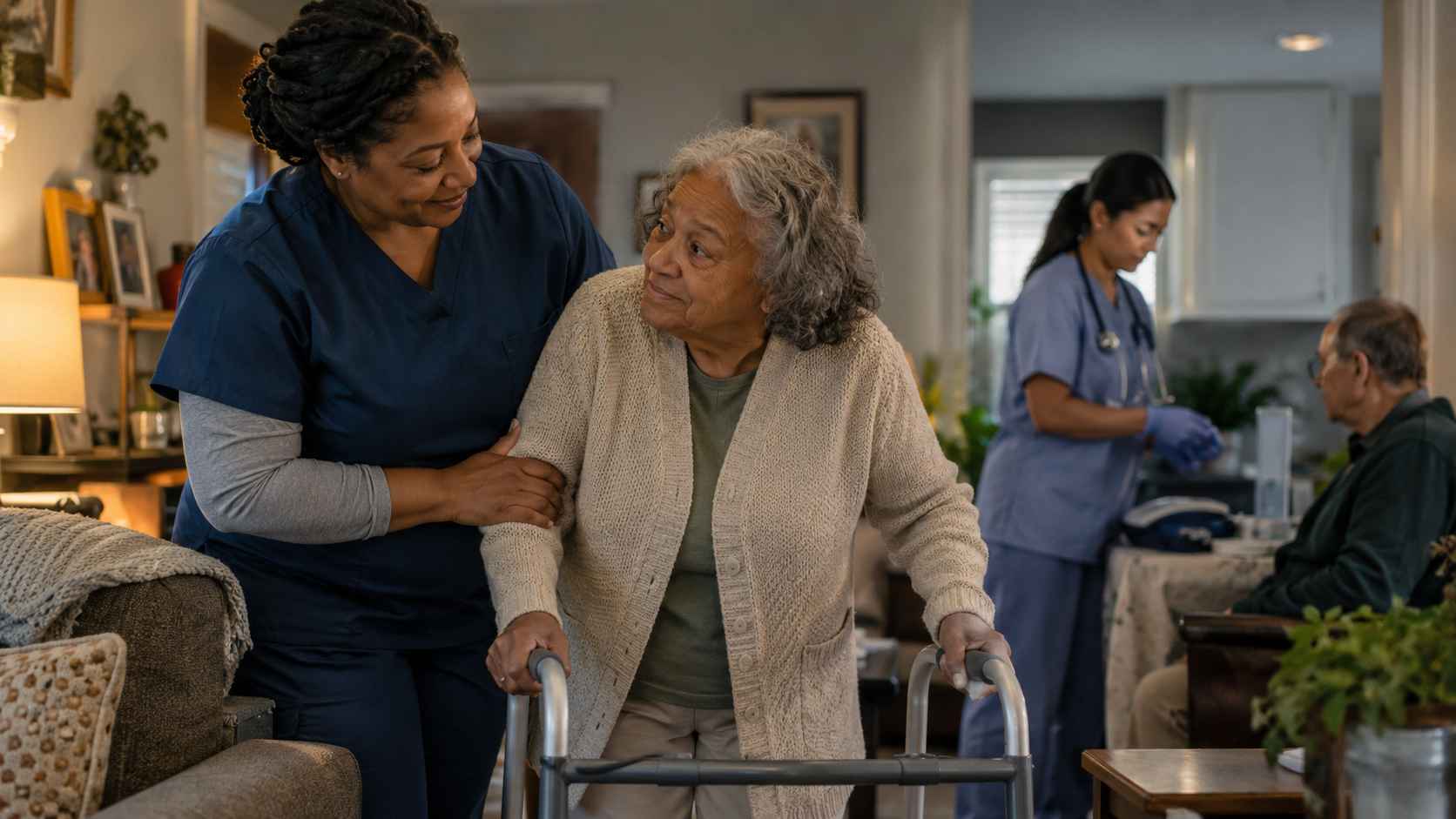
If pills will not protect aging bodies, what will? The editorial accompanying the BMJ review, along with modern geriatric research, points to a much more dynamic toolkit: progressive strength training, balance conditioning, home safety modifications, and personalized clinical reviews.
This shift makes perfect sense when you look at the root causes of a fall. A pill cannot fix a loose rug, improve poor depth perception, correct sudden drops in blood pressure, or reverse muscle wasting in the lower legs. Preventing injuries requires addressing the tangible, physical reasons people lose their footing.
| Identified Risk Factor | The Real-World Impact | Evidence-Based Solutions |
|---|---|---|
| Lower-body muscle weakness | Diminished leg strength makes it incredibly difficult to catch yourself after a minor trip. | Progressive resistance training and structured lower-body exercises. |
| Compromised equilibrium | Instability significantly heightens the risk of a fall during sudden turns or navigating stairs. | Targeted balance training, Tai Chi, and physical therapy. |
| Medication interactions | Polypharmacy can cause chronic dizziness, sedation, or sudden drops in blood pressure. | Regular, comprehensive medication reviews with a pharmacist or primary care physician. |
| Visual impairment | Poor contrast sensitivity makes steps, uneven pavement, and household obstacles invisible. | Bi-annual eye examinations and timely updates to corrective lenses. |
| Domestic environmental hazards | Cluttered walkways, thick rugs, and dim lighting create a domestic minefield. | Professional home safety evaluations and structural modifications. |
| Severe Osteoporosis | Brittle, compromised bones are highly prone to snapping even during low-impact impacts. | Diagnostic DEXA scans and targeted, frontline bone therapies when clinically indicated. |
The National Institute on Aging emphasizes that these proactive, lifestyle-centered interventions yield tangible results because they confront the physiological and environmental mechanisms that cause injuries in the first place.
Nutrients Stay Essential, but the Strategy Must Evolve
To be entirely clear: calcium and vitamin D remain indispensable to human life. Calcium is vital for cardiovascular contractions and neurological signaling, while vitamin D acts as a master hormone regulator across multiple bodily systems.
But we must separate nutritional adequacy from trauma prevention. As noted in the NIH calcium fact sheet and the corresponding NIH vitamin D fact sheet, consuming recommended amounts of these nutrients is essential for baseline skeletal maintenance. However, federal health agencies openly acknowledge that the data supporting their ability to actively prevent physical accidents or bone breaks in older demographics is highly ambiguous at best.
The takeaway for consumers is simple: eat a balanced diet rich in these nutrients for basic health, but do not view a supplement regimen as a substitute for real-world physical conditioning.
Who Needs an Individualized Clinical Strategy?
Because this meta-analysis looks at broad public health trends, its conclusions should not be blindly applied to individuals with acute, underlying medical conditions. Certain high-risk groups require specialized medical oversight that completely supersedes general population data:
- Individuals with a formal clinical diagnosis of osteoporosis
- Patients suffering from documented, severe vitamin D or calcium deficiencies
- Those dealing with gastrointestinal malabsorption disorders, such as Celiac or Crohn’s disease
- Patients navigating chronic kidney disease or advanced parathyroid issues
- Individuals actively prescribed specialized pharmaceutical bone therapies
- Long-term care residents or seniors dealing with complex, advanced frailty
- Anyone recovering from a recent low-impact, fragility fracture
For these populations, targeted supplement protocols are often an essential component of a broader, highly customized medical plan.
What Families Can Do?
For families caring for aging relatives, this news should not trigger panic or an immediate trip to throw out every vitamin in the cabinet. Instead, it should spark an entirely new conversation about how we protect the seniors we love.
It is time to look at the entire landscape of fall risks. As we documented in our analysis of chronic disease in seniors, managing long-term illnesses is highly intertwined with mobility safety. Complex health profiles often exacerbate physical instability, making a thorough, multi-faceted approach to home and physical health absolutely vital.
| Crucial Screening Question | The Clinical Justification |
|---|---|
| Has your loved one experienced a stumble or fall within the past 12 months? | A recent history of falling remains the single greatest predictor of a future, potentially catastrophic fall. |
| Has a physician or pharmacist cross-referenced all prescriptions recently? | Certain drug combinations significantly increase cognitive confusion, drowsiness, and motor instability. |
| Is the living environment properly illuminated and free of obstacles at night? | The majority of serious domestic accidents occur in the dark during routine trips to the bathroom. |
| Is the individual engaged in structured, weekly physical activity? | Dedicated balance and strength exercises are the most effective ways to preserve real-world mobility. |
| Has the senior undergone an up-to-date bone mineral density scan? | Identifying silent bone thinning early allows families to access genuine, prescription-grade medical interventions. |
The Bottom Line
The new BMJ review offers a clear verdict on a massive medical habit. After looking at 69 clinical trials involving over 153,000 seniors, researchers confirmed that daily calcium and vitamin D supplements just do not provide the protection against broken bones we always thought they did.
This does not mean nutrition does not matter. It just means that swallowing a pill cannot fix the physical, environmental, and stability issues that cause an older person to fall in the first place.
Real protection requires a hands-on approach. That means upgrading home lighting, checking prescription side effects, scheduling vision exams, and working on strength and balance exercise. Good food is always necessary for health, but if the goal is to keep seniors safe from painful fractures, the most powerful tool is not a bottle on the kitchen counter. It is a practical, active plan for daily safety.
Read Next: Minnesota’s “Grandparents’ Happy Hour”