

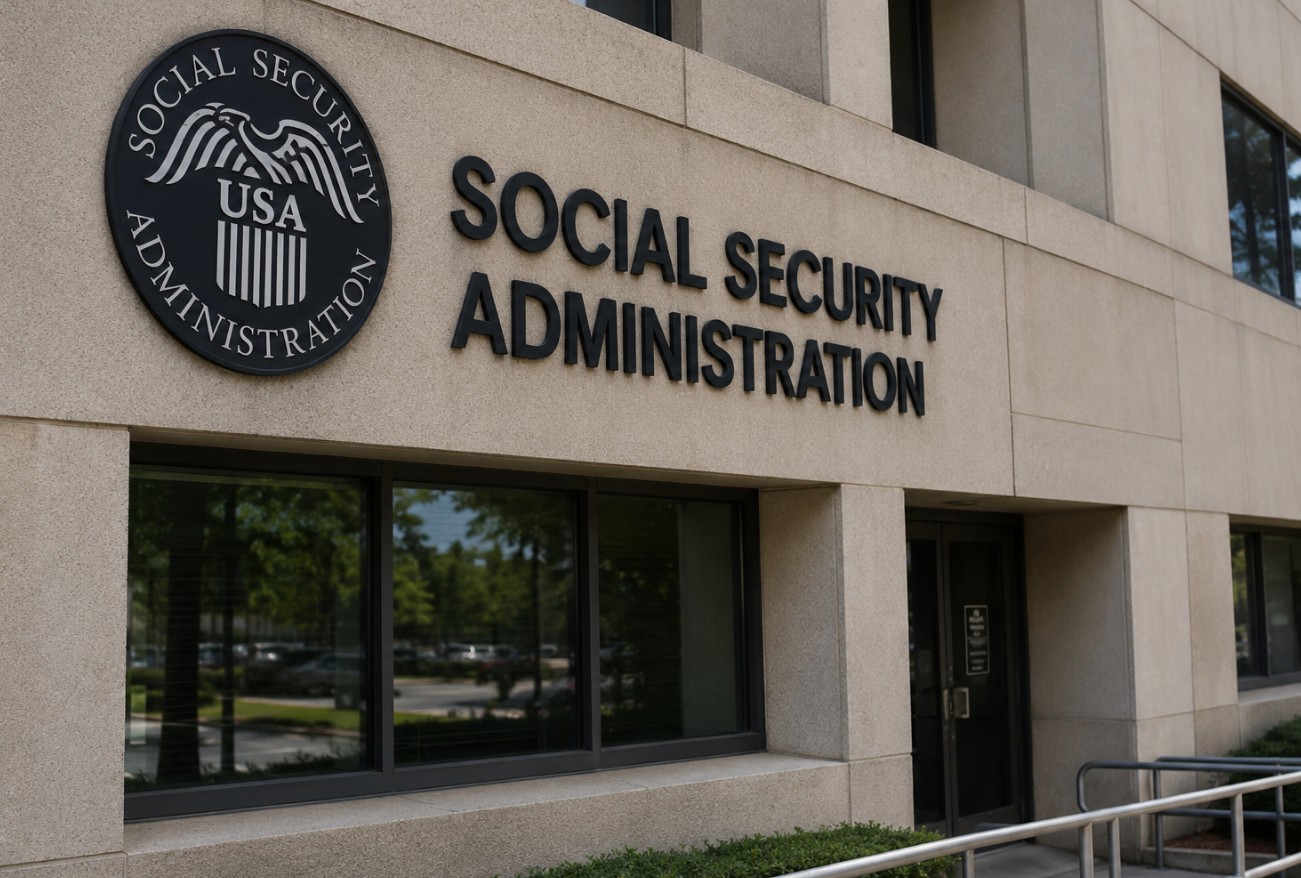
The Social Security Administration is preparing three annual changes that will affect retirees, people who claim benefits while working and higher-paid employees in 2027. None of the new figures is official yet, but current estimates point to a larger cost-of-living adjustment, higher earnings limits and an increase in the amount of wages subject to Social Security tax.
A new report on the expected changes focuses on figures that the agency normally announces in October. Beneficiaries should treat every number published before then as an estimate. The final amounts depend on inflation and national wage data that are still being collected.
The three changes do not affect everyone in the same way. The cost-of-living adjustment applies to Social Security and Supplemental Security Income payments. Earnings limits matter only to people who receive benefits before full retirement age and continue working. The taxable wage cap mainly affects workers with higher salaries.
| Social Security rule | 2026 amount | Current estimate for 2027 |
|---|---|---|
| Cost-of-living adjustment | 2.8% | About 3.7% to 3.8% |
| Earnings limit before the year of full retirement age | $24,480 | $25,200 |
| Earnings limit during the year of full retirement age | $65,160 | $67,200 |
| Maximum earnings subject to Social Security tax | $184,500 | $190,800 |
Table of Contents
Toggle1. The 2027 Social Security COLA Could Be Larger
@backwardshatbarristerA bigger Social Security check may be coming in 2027. 📈 While nothing is official yet, one of the leading COLA forecasts is currently projecting a 3.8% increase. The final number won’t be announced until October, but the estimates tend to become more accurate as more inflation data is released.♬ original sound – Michael Liner
The first change will be the 2027 cost-of-living adjustment, commonly known as the COLA. Social Security benefits rose by 2.8% in 2026. Current independent forecasts place the next increase near 3.7% or 3.8%, although the final percentage could move as new inflation figures arrive.
The Social Security Administration does not set the COLA through a political decision or a general estimate of household expenses. It compares the average Consumer Price Index for Urban Wage Earners and Clerical Workers during July, August and September with the average from the same three months one year earlier.
Only the third-quarter figures count in the final calculation. Higher inflation earlier in the year can influence forecasts, but it does not determine the COLA on its own. The agency has confirmed that the next official adjustment will be announced in October.
Our latest look at the projected Social Security increase for 2027 explains how recent price growth has pushed estimates above the 2.8% adjustment now being paid. Energy and food costs will remain important, but July through September data will decide the result.
A larger COLA would raise monthly checks, but it would not necessarily leave every beneficiary with the full increase. Medicare Part B premiums are commonly deducted from Social Security payments. A higher premium can absorb part of the raise for people enrolled in Medicare.
2. Working Beneficiaries May Be Able to Earn More
The Social Security Administration is also expected to raise the retirement earnings test limits. The rule applies to people who collect retirement or survivor benefits before reaching full retirement age and continue earning income from work.
In 2026, a beneficiary who will remain below full retirement age for the entire year can earn up to $24,480 before payments are withheld. Social Security withholds $1 in benefits for every $2 earned above that amount.
The current projection places the 2027 limit at $25,200. A worker earning less than that amount would continue receiving the full scheduled benefit under the earnings test.
A separate limit applies during the calendar year in which a person reaches full retirement age. The 2026 threshold is $65,160, with $1 withheld for every $3 earned above the limit. Current estimates place the 2027 threshold at $67,200.
Only income earned before the month of full retirement age counts toward the higher limit. Once the person reaches full retirement age, the earnings test ends. Wages no longer cause monthly retirement benefits to be withheld.
Money withheld under the retirement earnings test is not simply taken away forever. When the beneficiary reaches full retirement age, the agency recalculates the monthly payment to account for months in which benefits were withheld.
The rule often causes confusion because it can look like a permanent penalty on work. The immediate effect is a smaller payment before full retirement age, followed by a higher benefit calculation later. Individual results depend on earnings, claiming age and the number of checks withheld.
3. More Wages Could Be Subject to Social Security Tax
The third expected change affects the payroll tax that finances Social Security. Employees and employers each pay 6.2% on wages up to an annual limit. Self-employed workers generally pay both shares.
The 2026 taxable maximum is $184,500. Earnings above that amount are not subject to the Social Security portion of payroll tax. The 2027 limit is currently projected to rise to $190,800.
A worker earning at or above the projected cap would pay as much as $11,829.60 in employee Social Security tax during 2027. That would be $390.60 more than the maximum employee contribution under the 2026 limit. An employer would pay the same amount.
The figure applies only to the Social Security tax. Medicare tax has no comparable wage ceiling, so covered earnings remain subject to Medicare payroll tax after a worker passes the Social Security limit.
The maximum taxable earnings amount usually rises with the national average wage index. Higher-paid workers therefore tend to see more of their annual salary subject to Social Security tax as wages increase across the economy.
The October Announcement Will Set the Final Numbers
The Social Security Administration normally releases the COLA, earnings limits, taxable maximum and several related figures together. The announcement will also include maximum benefit amounts, thresholds used in disability programs and the amount of earnings needed to receive one Social Security work credit.
Beneficiaries do not need to apply for the annual COLA. The adjustment is added automatically. Workers who receive benefits before full retirement age should review their expected wages and report changes when required, since inaccurate earnings estimates can lead to withheld payments or an overpayment notice.
Higher limits and a larger COLA do not resolve Social Security’s long-term financing problem. The latest trustees’ findings still show that scheduled benefits exceed incoming program revenue. Our report on the possible benefit shortfall after 2032 explains what could happen if Congress does not approve a funding change before trust fund reserves are depleted.
A larger COLA could raise checks in January. People collecting benefits while working may be allowed to earn more before payments are withheld. Higher-paid employees may owe Social Security tax on a larger share of their wages. Exact figures will remain uncertain until the Social Security Administration publishes its October decision.
Related Posts:
- 2027 Social Security COLA Projection - Why The Next…
- Can You Still Get Citizenship Through Marriage?…
- UK To Ban Under-16s From Social Media By Spring…
- Social Security Payments in September 2026 - Full…
- Social Security 2100 Act Would Use the Higher of Two…
- Social Security Earnings Limit 2026 - How Much You…