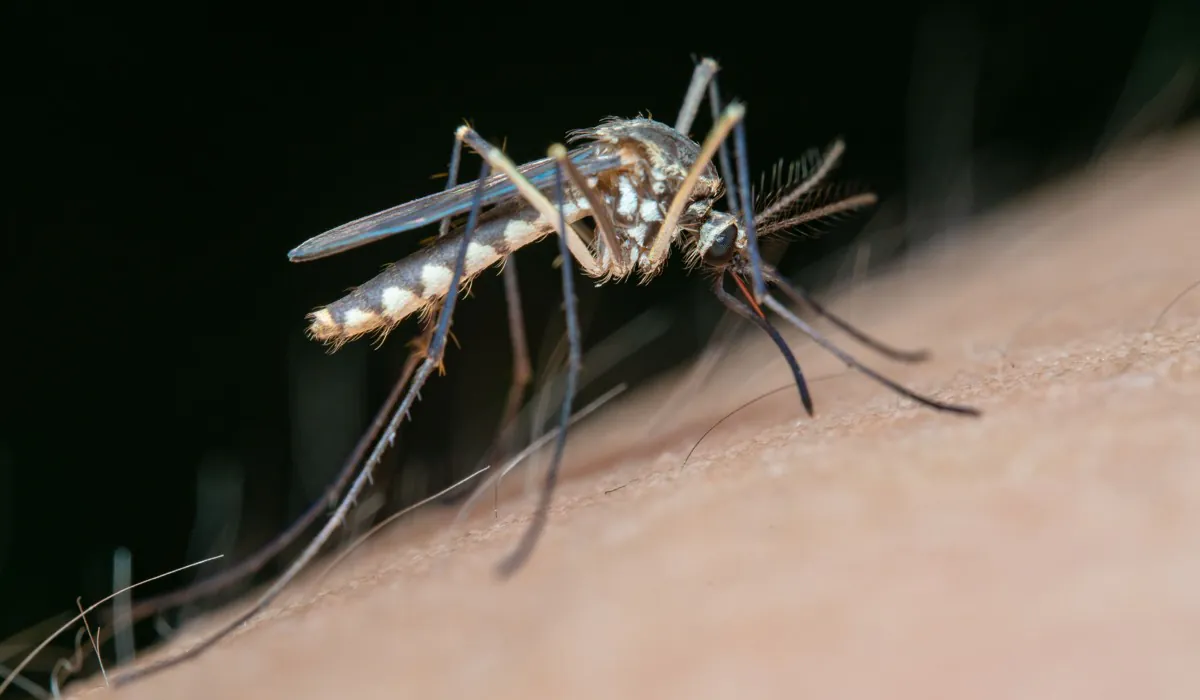


A dangerous fungus that can survive for weeks on hospital surfaces and resist standard treatment has been reported in 23 states during 2026.
Federal surveillance recorded more than 3,000 clinical cases of Candida auris by July 18. Texas led the country with 706 cases, followed by Michigan with 503 and Illinois with 366.
The rising count does not signal widespread transmission in homes, schools or public places. Candida auris spreads mainly inside hospitals, nursing homes and long-term care facilities, where patients may depend on ventilators, catheters, feeding tubes and central intravenous lines.
For healthy people, the risk remains low. For a critically ill patient whose immune system is weakened or whose body is connected to invasive medical equipment, the fungus can enter the bloodstream and cause a life-threatening infection.
The latest case totals were reported by Healthline. The numbers remain provisional because states continue to submit, review and revise reports.
Texas, Michigan and Illinois Lead in Number of Cases
The concentration of cases in several states reveals how the fungus moves through connected healthcare systems.
| State | Clinical Cases Reported by July 18, 2026 |
|---|---|
| Texas | 706 |
| Michigan | 503 |
| Illinois | 366 |
Large totals can indicate established transmission within healthcare networks, greater screening activity or both. A state that tests more exposed patients will identify colonized people and infections that might remain hidden elsewhere.
The Centers for Disease Control and Prevention separates cases into two categories:
- Clinical cases involve samples collected during diagnosis or treatment of an illness.
- Screening cases are found through skin swabs taken from patients who may carry the fungus without symptoms.
That difference is central to understanding the outbreak. A colonized patient is not sick from the fungus, yet the organism can remain on the skin, spread to nearby objects and move with the patient during a transfer to another facility.
The CDC surveillance system for Candida auris provides annual and weekly case data, although recent weekly totals remain subject to delayed reporting and later corrections.
Tennessee Shows How Quickly Healthcare Transmission Can Grow
Tennessee has seen a pronounced increase, with cases concentrated around major healthcare centers in Memphis and Nashville.
Local reporting by WKRN examined the state increase and the patients facing the highest risk. The pattern resembles outbreaks in other states: infections appear among people with long hospital stays, complex medical needs and repeated movement between acute-care hospitals and long-term facilities.
A patient may receive care in an intensive-care unit, transfer to a rehabilitation hospital and later enter a nursing facility. Missing information during any one of those transfers gives the fungus another opportunity to reach a new building and a new group of vulnerable patients.
For that reason, federal guidance tells facilities to inform the next hospital or nursing home whenever a patient has tested positive, including people who remain colonized without symptoms.
Why Candida Auris Is So Difficult to Remove?
Most familiar Candida infections develop from yeast already living in the human body. Candida auris has a different public-health profile because it can pass between patients and persist in the healthcare environment.
The organism has been recovered from bedrails, doorknobs, tables, chairs, mattresses and mobile medical equipment. Shared blood-pressure cuffs, temperature probes and other devices can contribute to transmission when cleaning procedures fail.
Some standard disinfectants used in medical buildings do not reliably kill it. Facilities need products with a federal claim against Candida auris, followed by careful daily cleaning and full disinfection after a patient leaves.
The CDC infection-control guidance recommends protective gowns and gloves, careful hand hygiene, dedicated or properly disinfected equipment and clear communication during transfers.
The fungus is also difficult to identify. Traditional laboratory equipment may mistake it for another yeast. Accurate confirmation can require mass spectrometry or genetic sequencing, according to the CDC clinical overview.
A delayed identification gives infection-control teams less time to screen exposed patients and clean affected rooms.
A Patient Can Spread the Fungus Without Feeling Sick
Colonization is one of the main reasons outbreaks are difficult to contain.
A patient can carry Candida auris on the skin, in the nose or on another body site without fever, chills or any visible illness. The person can still shed the organism onto nearby surfaces.
Colonization can last for months and possibly much longer. The CDC says no proven method currently removes the fungus permanently from the body.
Hospitals therefore use the same infection-control precautions for infected and colonized patients. The approach prevents a person without symptoms from becoming the unnoticed link between two facilities.
Only active infections receive antifungal treatment. Giving medication to colonized patients has not been shown to clear the organism and could contribute to further drug resistance.
Who Faces the Highest Risk?
Most people who live outside healthcare facilities have little reason to fear routine exposure. The danger is concentrated among patients who are already medically vulnerable.
Risk is highest for people who:
- Use a ventilator or breathing tube
- Have a central line, urinary catheter or feeding tube
- Have undergone recent surgery
- Receive treatment in an intensive-care unit
- Live in a nursing home or long-term acute-care facility
- Have cancer, diabetes or a weakened immune system
- Receive broad-spectrum antibiotics or antifungal medication for extended periods
- Move repeatedly between hospitals and residential care facilities
Invasive medical devices create a route from the skin into the bloodstream or internal organs. A patient who is colonized can later develop an infection when a catheter, wound or surgical site allows the fungus to enter the body.
The broader challenge of microbes surviving treatment is already affecting other diseases. NCHStats has reported on drug-resistant typhoid and the shrinking number of reliable antibiotics. Candida auris involves antifungal drugs rather than antibiotics, yet both problems show how treatment options narrow when pathogens develop resistance.
The Symptoms Can Resemble Other Hospital Infections
There is no single symptom that identifies a Candida auris infection.
Fever and chills are common, particularly when the organism enters the bloodstream. Patients may also develop low blood pressure, a rapid heartbeat, wound symptoms or signs connected with the infected organ.
Those symptoms can resemble bacterial sepsis, pneumonia or complications from an existing disease. Many patients are already receiving antibiotics when the fever begins, which can delay suspicion of a fungal cause.
A skin screening test cannot diagnose an invasive infection. Doctors use blood, wound, urine or other clinical samples based on the suspected site of disease.
How Deadly Is Candida Auris?
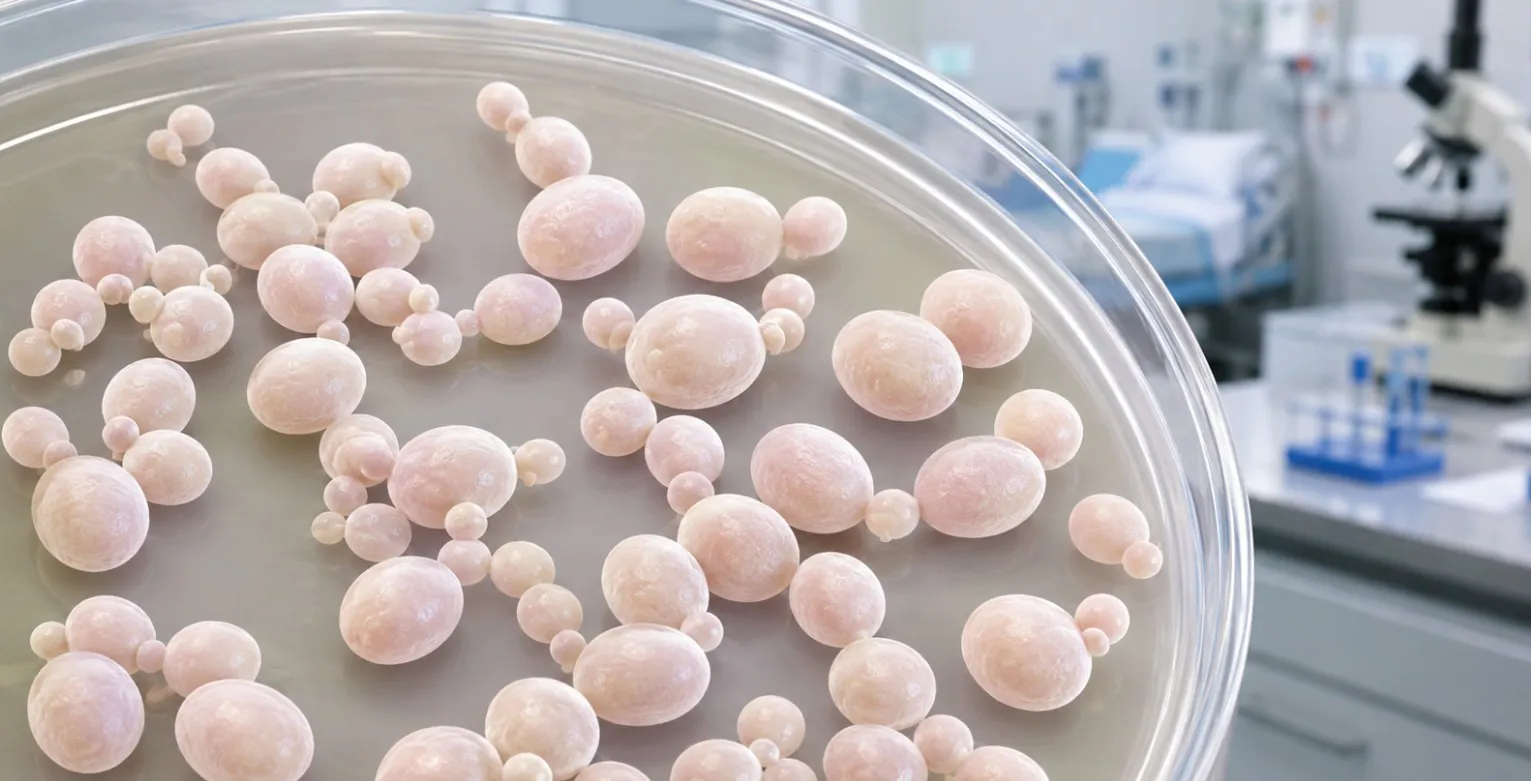
Studies have reported death among 30% to 60% of patients with invasive Candida auris infections. That range requires context.
Many affected patients were already critically ill, used life-support equipment or had cancer, kidney disease, sepsis and other major conditions. Researchers cannot attribute every death directly to the fungus.
The figure still shows that an invasive infection develops in a patient population with limited physical reserve and a high chance of complications.
The greatest concern is bloodstream infection, which can spread to the brain, heart, bones and internal organs. Treatment becomes harder when laboratory testing shows resistance to one or several antifungal drug classes.
Some Strains Resist Every Standard Drug Class
Doctors generally begin treatment with an echinocandin, an intravenous antifungal drug class that includes micafungin, caspofungin and anidulafungin.
Most U.S. strains remain susceptible to echinocandins. Reports of echinocandin resistance are increasing, and rare strains are pan-resistant, meaning they resist all three major antifungal classes.
The CDC treatment guidance recommends susceptibility testing and close monitoring. Patients who fail to improve may require liposomal amphotericin B or an investigational medication obtained through expanded access.
Pan-resistant infection leaves doctors with limited evidence and no guaranteed standard treatment. Prevention becomes more important when the available drugs can no longer be trusted to control every strain.
The National Increase Began Years Before 2026
The current outbreak is part of a longer rise rather than a sudden event confined to one summer.
CDC data show 2,882 clinical cases in 2022, 4,428 in 2023 and 6,197 in 2024. Screening detections also increased sharply as more facilities began testing exposed patients.
The fungus was first identified in Japan in 2009 and first reported in the United States during the following decade. It has since become established in healthcare systems in several regions.
Staffing shortages, crowded facilities, shared equipment and patient movement during the COVID-19 pandemic contributed to faster transmission. Once the organism enters a healthcare network, removing it requires sustained work from laboratories, infection-control teams, nurses, environmental services and public-health departments.
Our team at NCHStats has also examined infectious-disease threats receiving closer surveillance in 2026. Candida auris differs from those viral threats because community transmission remains uncommon and the main battlefield is inside healthcare facilities.
What Families and Patients Can Do?
Healthy people do not need routine Candida auris testing. Family members and healthcare workers also face a low risk of becoming ill.
Several practical steps can reduce transmission:
- Clean hands before and after visiting a patient.
- Avoid touching catheters, wounds, tubes and medical equipment.
- Tell every healthcare facility about a previous positive test.
- Ask whether the receiving facility was informed before a transfer.
- Follow home-care instructions for wounds and invasive devices.
- Use gloves when providing close wound or device care when advised by the medical team.
The CDC prevention guidance for patients and families explains why previous colonization should remain in the medical record even after an active infection has cleared.
References
- CDC – Tracking Candida Auris Cases
- CDC – Clinical Overview of Candida Auris
- CDC – Clinical Treatment of Candida Auris Infections
- CDC – Infection-Control Guidance for Candida Auris
- CDC – Preventing the Spread of Candida Auris
- Healthline – Drug-Resistant Candida Auris Reported in 23 States
- The Hill – States Reporting Candida Auris in 2026
- WKRN – Candida Auris Cases Rise in Tennessee