

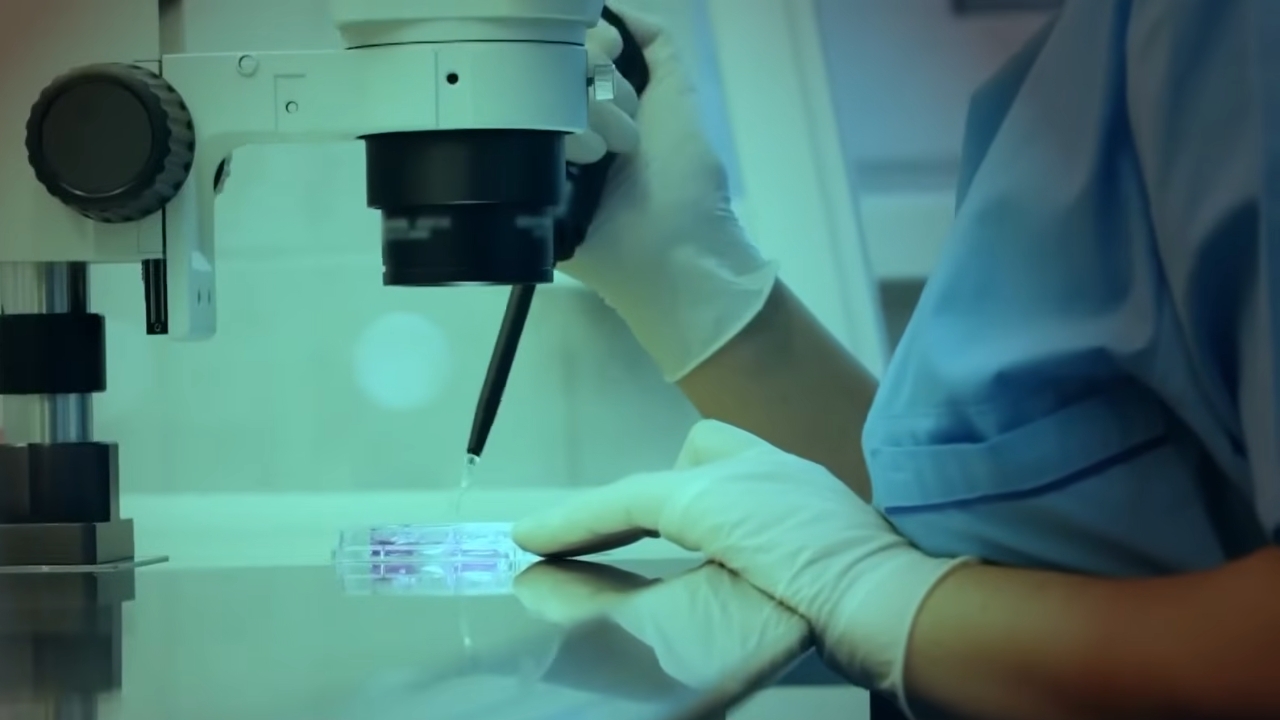
Artificial intelligence is beginning to take a practical role inside fertility clinics, usually in specific parts of an IVF cycle. Algorithms can rank embryos from time-lapse images, measure ovarian follicles during ultrasound monitoring, and combine patient data to support stimulation decisions.
Adoption remains uneven, and evidence varies sharply by application. Some tools are already registered as medical devices or used by clinic groups, while proof of better pregnancy and live-birth outcomes remains limited.
For patients, the useful question is becoming less “Is AI used in IVF?” and more “What job is the algorithm doing, and how strong is the evidence behind that job?”
The World Health Organization’s global infertility estimate puts lifetime prevalence at about 17.5% of adults, roughly one in six people worldwide.
AI Is Moving Into Clinic Workflows
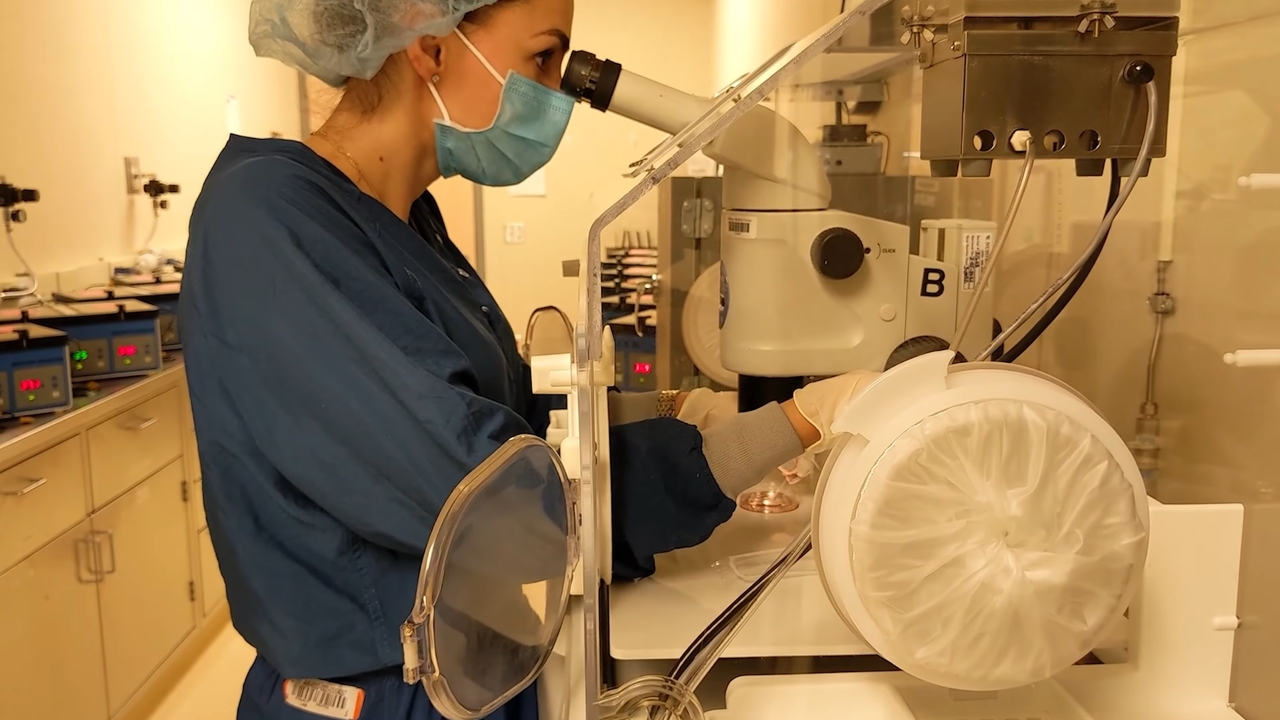
Fertility medicine produces unusually rich datasets. A single IVF cycle can generate ultrasound scans, hormone measurements, medication records, embryo images, development videos, and outcome data.
Many decisions repeat across thousands of cycles, giving developers material for machine-learning models. IVF has also reached a new scale in the U.S., with more than 100,000 babies born through IVF in 2024 alone.
Building systems around such clinical data increasingly requires expertise from a healthcare software development company that can connect machine-learning models with the software, data infrastructure, and workflows already used by care teams.
Australia’s AI-enabled device register offers a useful snapshot of where clinical software is heading.
By July 2026, the Therapeutic Goods Administration listed fertility-focused products including MIM Fertility’s FOLLISCAN for follicular monitoring, EMBRYOAID for embryo assessment, Future Fertility software for oocyte-quality evaluation, Fairtility’s CHLOE EQ for embryo-development analysis and Cercle.AI software for personalized care insights.
Commercial use has expanded as well. UK clinic group Care Fertility says its Caremaps Ai system has supported tens of thousands of IVF cycles across its clinics.
Most current systems fit a decision-support model. An embryologist, sonographer, or fertility specialist reviews the output and makes the clinical choice.
Area of IVF care
What AI can analyze
Typical role
Embryo assessment
Images and time-lapse videos
Rank embryos for transfer
Ovarian monitoring
2D or 3D ultrasound
Detect and measure follicles
Treatment planning
Ovarian reserve, hormones, and cycle data
Support stimulation decisions
Egg assessment
Oocyte images
Estimate developmental potential
Embryo Assessment Has Become the Leading Use Case
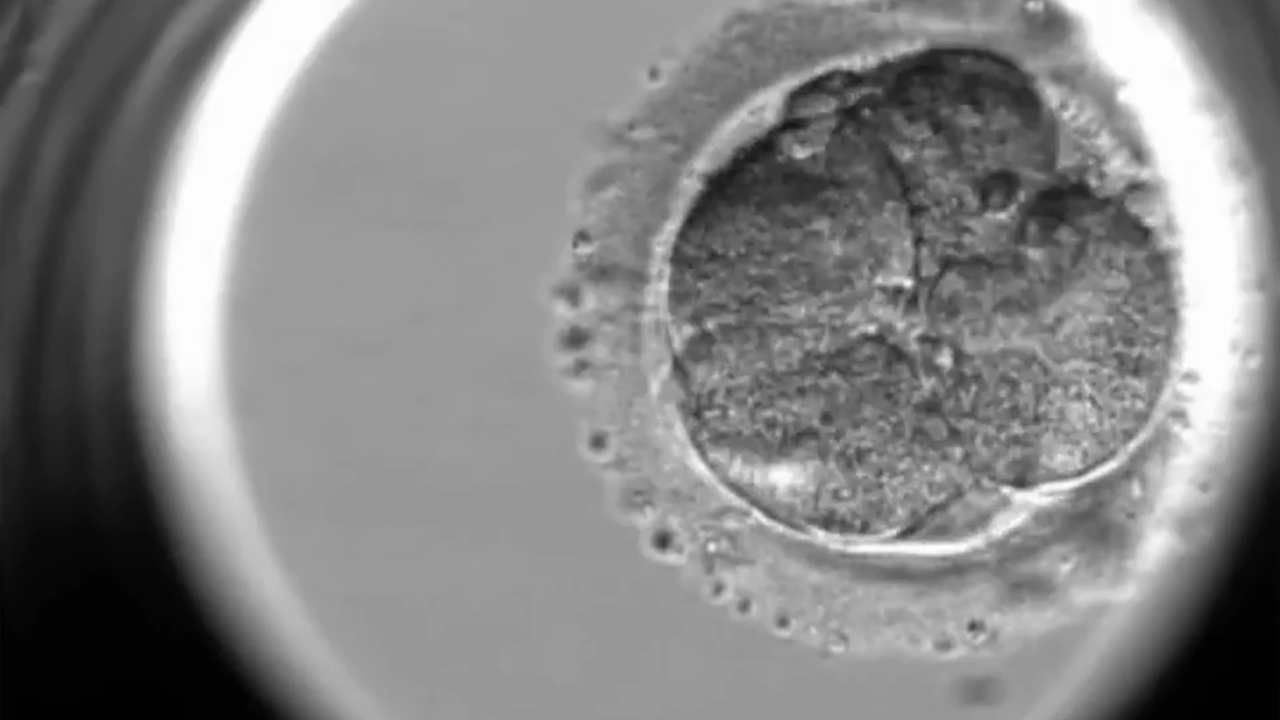
Embryologists traditionally grade embryos using features such as cell number, symmetry, fragmentation, and blastocyst structure. Experience matters, and skilled observers can still disagree about a borderline embryo.
Time-lapse incubators created a much larger stream of information. Cameras photograph embryos repeatedly while they remain in the incubator, producing developmental sequences suited to computer vision. AI can then score embryos according to patterns learned from prior cases.
A major randomized clinical trial published in Nature Medicine in 2024 tested deep learning against standard morphological assessment. The study included 1,066 patients across 14 IVF clinics in Australia and Europe.
Clinical pregnancy occurred in 46.5% of the AI group and 48.2% of the morphology group. Live-birth rates were 39.8% and 43.5%, respectively.
Researchers could not demonstrate the trial’s predefined noninferiority target for AI. One operational result stood out: embryo evaluation averaged about 21 seconds with the algorithm, compared with roughly 208 seconds using standard morphology.
For clinics, such a time difference can matter during busy laboratory days. For patients, faster scoring does not yet equal a proven increase in the chance of having a baby.
Ultrasound AI Targets Repetitive Follicle Measurement
IVF stimulation usually involves repeated transvaginal ultrasound scans as follicles grow. Clinicians measure follicles and combine the findings with hormone levels when deciding whether medication should continue, change, or move toward the final trigger before egg retrieval.
Manual measurement can be repetitive, especially when an ovary contains many follicles. AI-assisted ultrasound software aims to identify follicle boundaries, calculate dimensions, and standardize the count.
View this post on Instagram
Australia’s regulatory register describes FOLLISCAN as AI-powered follicular-monitoring software intended to identify, calculate, and measure follicles from a short 2D or 3D transvaginal ultrasound cine loop. A clinician can review an automated set of measurements instead of placing electronic calipers around every visible follicle.
Workflow and measurement benefits are easier to demonstrate than better reproductive outcomes. Pregnancy and live birth depend on many events after the scan.
Treatment Planning Is a Harder Problem
Choosing a stimulation protocol requires a wider clinical picture. Age, body mass index, anti-Müllerian hormone, antral follicle count, previous ovarian response, hormone changes, and follicle growth can all influence treatment decisions.
Hormone health can also affect fertility before an IVF protocol begins, particularly when conditions such as PCOS or thyroid disease affect ovulation or cycle regularity.
Machine-learning systems can combine such variables to estimate medication response. Some models also attempt to recommend a starting dose, predict later doses, or support trigger timing.
A 2026 clinical review in Frontiers in Endocrinology found that time-aware AI in assisted reproduction remains relatively sparse.
Retrospective models can reproduce historical prescribing patterns, yet matching prior prescriptions does not prove that a dose is optimal for a future patient. Early prospective decision-support studies have also failed to show clear gains in major treatment outcomes.
Regulated software is nevertheless reaching the market. Australia’s register describes Cercle.AI as a system intended to assist reproductive specialists with personalized care insights and possible treatment outcomes based on similar biomedical profiles and embryo characteristics.
Treatment planning is a tougher AI task because decisions unfold over days and depend on changing biology, prior treatment, and clinic protocols.
Better Evidence Needs Outcomes Patients Care About
Accuracy on a retrospective dataset can sound impressive while answering a narrow technical question. Fertility patients usually care about safer treatment, fewer failed transfers, shorter time to pregnancy, and healthy live birth.
Embryo-selection research shows the gap clearly. AI may score embryos more consistently and much faster than manual review, while randomized evidence may still fail to show a clinical advantage.
Professional standards are evolving alongside the technology. A 2025 ESHRE consensus update with Alpha Scientists in Reproductive Medicine reviewed static and dynamic embryo morphology, reflecting how time-lapse data and newer assessment methods are becoming part of modern embryology practice.
Useful evaluations of fertility AI will need prospective testing across multiple clinics, independent validation, and outcome measures that extend beyond algorithm accuracy.
What Patients Can Ask About AI
Patients do not need a background in machine learning to ask useful questions. A short conversation can clarify whether an AI feature is a practical laboratory tool, a paid add-on, or a system with evidence tied to clinical outcomes.
Cost deserves attention when AI is packaged with time-lapse incubation or another add-on. Cost already represents a major barrier to fertility care in the U.S., where fertility treatment costs remain a major concern for many patients. The UK Human Fertilisation and Embryology Authority’s current add-on guidance says evidence is insufficient for some optional fertility treatments and recommends asking clinics why an add-on is being offered and what evidence supports it. Time-lapse imaging and incubation currently carry a black rating for improving the chance of having a baby for most fertility patients, meaning moderate or high-quality evidence shows no effect on that outcome. The most durable fertility AI may eventually feel ordinary. A sonographer may review automatically measured follicles, an embryologist may receive a ranked embryo list, and a physician may see a treatment-response forecast beside laboratory results. Human oversight remains central because fertility care depends on medical history, treatment response, patient priorities, and uncertainty that a model cannot compress into a single score. AI is already helping fertility teams process images and data faster. The stronger promise, a reliable rise in live-birth rates across routine IVF care, still needs better prospective evidence.
Where Fertility AI Is Heading