

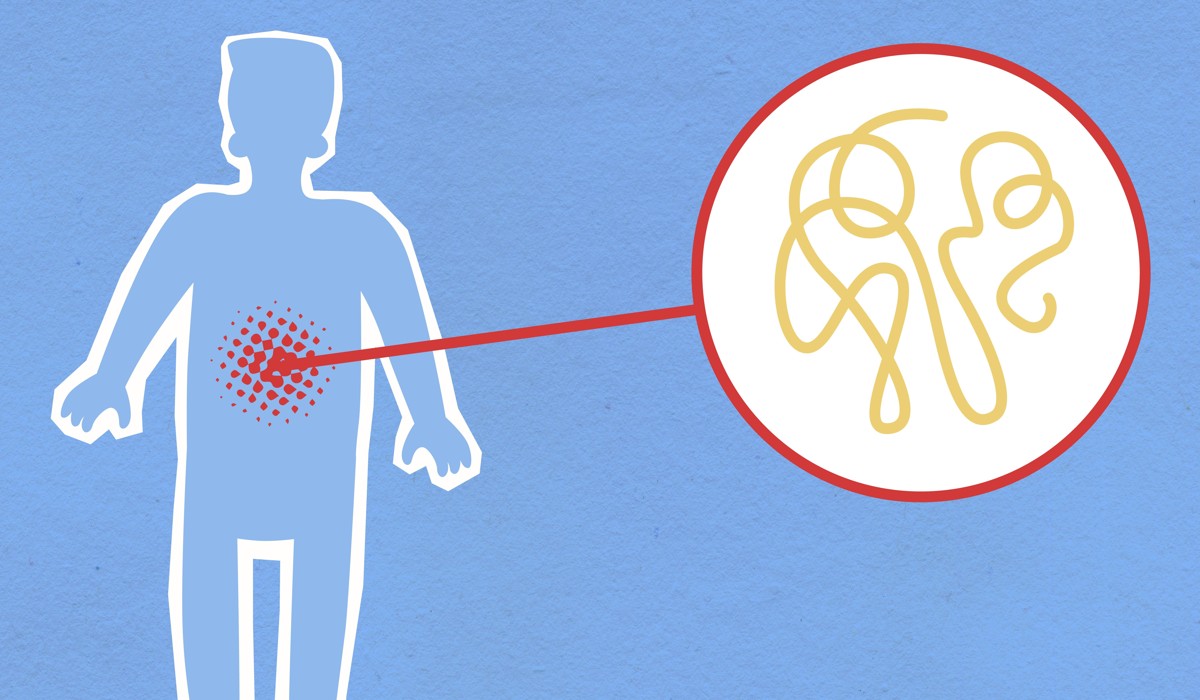
A common stomach bacterium and a virus that many people encounter during their lives were responsible for an estimated 1.5 million new cancer cases worldwide in 2024, according to new research from the World Health Organization.
The study found that infections caused about 2.3 million of the 20 million new cancer cases diagnosed worldwide that year. That means around one in eight cancer cases was linked to a virus, bacterium or parasite.
Researchers examined 12 infections known to cause cancer. The biggest surprise was that a bacterium called Helicobacter pylori, or H. pylori, was linked to slightly more cancer cases than HPV, the virus widely associated with cervical cancer.
The findings were published on September 28, 2026, in The Lancet Oncology by researchers from the International Agency for Research on Cancer (IARC), part of the WHO.
Many of the infections identified in the study can be prevented or treated. Vaccines already protect against HPV and hepatitis B, and antibiotics can eliminate H. pylori. Doctors also have tests that can find some infections and early signs of cancer before serious illness develops.
Stomach Bacteria and HPV Were Linked to the Most Cancer Cases
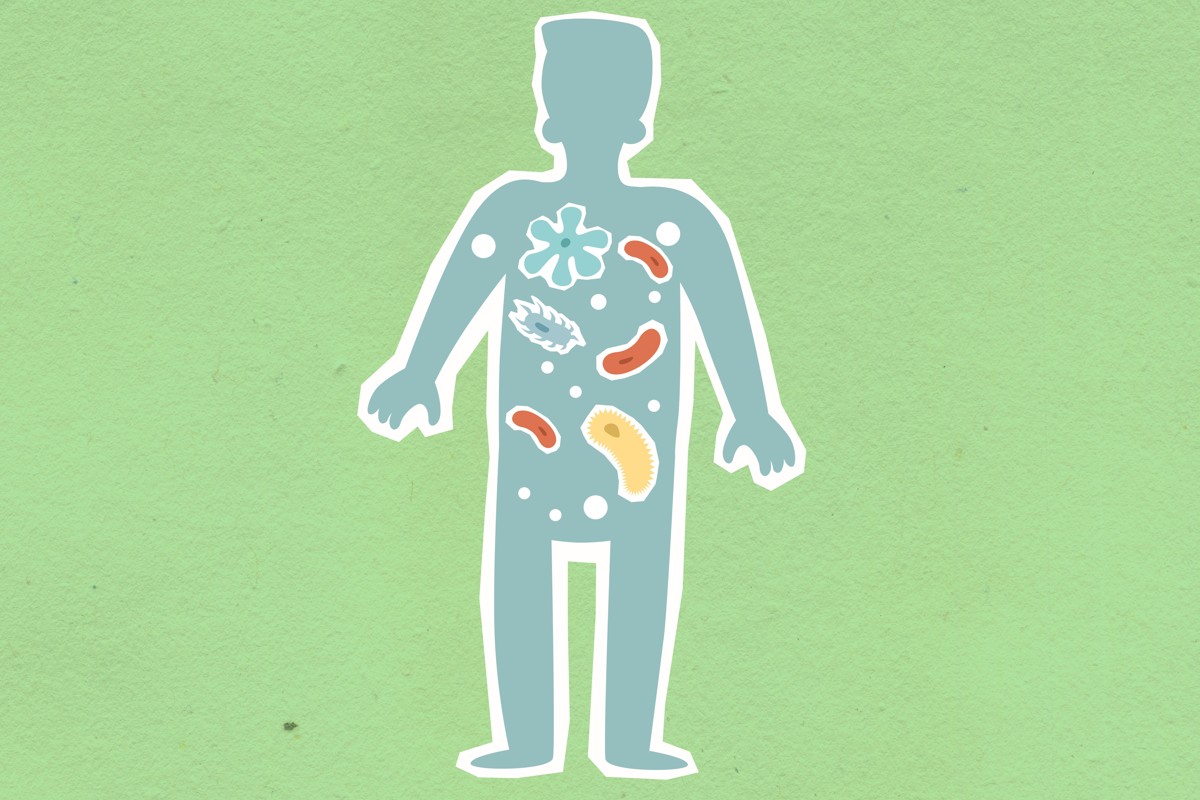
H. pylori was linked to an estimated 760,000 new cancer cases worldwide in 2024, mostly stomach cancer. HPV followed closely with 750,000 cases, including about 600,000 cases of cervical cancer.
Together, the two infections caused an estimated 1.51 million cases, or about 66% of all cancers linked to infections in the study.
Hepatitis B came next with 360,000 cases, followed by Epstein-Barr virus with 260,000 and hepatitis C with 160,000.
| Infection | Estimated Cancer Cases in 2024 | Cancers Commonly Linked to It |
|---|---|---|
| H. pylori | 760,000 | Stomach cancer |
| Human papillomavirus (HPV) | 750,000 | Cervical, throat, anal and other cancers |
| Hepatitis B | 360,000 | Liver cancer |
| Epstein-Barr virus (EBV) | 260,000 | Certain lymphomas, throat and stomach cancers |
| Hepatitis C | 160,000 | Liver cancer |
| Kaposi sarcoma-associated herpesvirus | 35,000 | Kaposi sarcoma and certain other cancers |
| Other infections studied | 19,000 | Several less common cancers |
Source: WHO International Agency for Research on Cancer. The estimates are rounded, so their sum will not exactly equal the reported global total.
The study does not mean everyone who catches one of these infections will develop cancer. Most infections never lead to the disease.
Cancer generally develops only in a small share of infected people, sometimes after many years. The risk depends on the infection, how long it remains in the body and other health factors.
What Is H. pylori and How Can It Cause Stomach Cancer?
Video: Dr. Shria Kumar of the University of Miami explains how H. pylori raises stomach cancer risk, particularly among Asian, Hispanic, Black, and Native American populations.
H. pylori is a bacterium that lives in the stomach. Many infected people never experience symptoms and do not know they have it.
In some people, however, the bacterium irritates the stomach lining and causes ongoing inflammation. It can also cause stomach ulcers.
Over many years, the damage caused by a persistent infection can increase the risk of stomach cancer.
According to the National Cancer Institute, long-term studies have found that eliminating H. pylori with antibiotics reduces the risk of developing stomach cancer.
One large study in China found that treatment reduced stomach cancer cases by nearly half over 22 years of follow-up.
Doctors can diagnose H. pylori using breath or stool tests. Treatment generally involves a combination of medicines, including antibiotics, and a follow-up test is used to confirm that the infection has cleared.
People with persistent stomach pain, recurring ulcers or a family history of stomach cancer can discuss testing with a healthcare professional. Routine testing decisions depend on symptoms, medical history and individual risk.
The WHO findings do not suggest that everyone needs immediate H. pylori testing. They show how treating a known cancer-causing infection can reduce future risk.
HPV Was Linked to 750,000 Cancer Cases Worldwide
View this post on Instagram
Human papillomavirus, commonly called HPV, is another infection that can lead to cancer years after someone becomes infected.
Most HPV infections clear without treatment. When certain high-risk types remain in the body, however, they can cause changes in cells that eventually develop into cancer.
HPV causes nearly all cervical cancers. It can also cause cancers of the anus, penis, vagina, vulva and the back of the throat.
Unlike H. pylori, HPV has an effective vaccine that protects against several of the virus types responsible for cancer.
Vaccination works best before exposure to HPV. Screening is still necessary for people who are eligible because the vaccine does not protect against every cancer-causing HPV type and cannot treat an existing infection.
HPV Causes an Estimated 39,300 Cancer Cases Each Year in the United States
The new WHO study covers the entire world, but separate American statistics show how seriously HPV affects cancer rates in the United States.
The Centers for Disease Control and Prevention estimates that HPV causes about 39,300 cancers annually in the United States.
That estimate comes from cancer cases recorded between 2018 and 2022. The CDC identified an average of 49,908 cancers each year in parts of the body where HPV is known to cause cancer, then estimated how many were actually caused by the virus.
| U.S. HPV Cancer Statistic | Annual Cases |
|---|---|
| Cancers diagnosed in areas commonly affected by HPV | 49,908 |
| Estimated cancers caused by HPV | 39,300 |
| Cases linked to HPV types targeted by the nine-valent vaccine | 36,400 |
The CDC estimates that around 36,400 of the cancers caused by HPV each year involve virus types covered by the nine-valent HPV vaccine.
Those cancers include cases affecting both men and women.
In fact, the CDC estimates that HPV causes about 16,000 cancers of the back of the throat each year in the United States. Around 13,600 of those cases occur in men.
Cervical cancer remains one of the most widely recognized HPV-related cancers, but the American figures show that the virus is a concern for both sexes.
The 39,300 annual cases are based on American data from 2018 through 2022. They should not be added to the new global figures as though both studies measured the same year.
Hepatitis B and C Were Linked to More Than 500,000 Cancer Cases
Hepatitis B and hepatitis C are viruses that infect the liver. Both can cause long-term liver damage, including scarring known as cirrhosis.
People with chronic hepatitis infection face a higher risk of liver cancer, even if they have few noticeable symptoms during the early stages of the disease.
The WHO study linked approximately 360,000 cancer cases to hepatitis B and another 160,000 to hepatitis C in 2024.
A vaccine is available for hepatitis B, and effective antiviral treatment can help people living with the infection.
Hepatitis C has no approved vaccine, but modern antiviral medicines can cure most infections.
The hepatitis B fact sheet by WHO estimates that 240 million people worldwide were living with chronic hepatitis B in 2024.
Testing is especially relevant because a person can have chronic hepatitis for years without knowing it. Identifying the infection gives doctors an opportunity to treat it and monitor liver health.
Epstein-Barr Virus Was Also Linked to 260,000 Cases
Epstein-Barr virus, or EBV, is extremely common. It spreads mainly through saliva and is known for causing infectious mononucleosis, sometimes called mono.
Many people become infected during childhood or adolescence. After infection, the virus remains in the body, usually without causing further illness.
In a small share of people, EBV contributes to certain cancers, including some lymphomas and cancers affecting the area behind the nose. Researchers have also linked the virus to a share of stomach cancer cases.
The new study estimates that EBV caused about 260,000 new cancer cases worldwide in 2024.
There is currently no licensed vaccine against EBV. The American Cancer Society explains the links between cancer and several viruses, including EBV, HPV and hepatitis viruses.
Having had mono or a positive EBV test does not mean a person is likely to develop cancer. The majority of people infected with EBV never develop an EBV-related cancer.
Eastern Asia Had the Most Cancer Cases Linked to Infections
Infections caused an estimated 990,000 new cancer cases in Eastern Asia during 2024, representing 42% of the worldwide total.
That region includes China, Japan, South Korea and several other countries.
The number of cases is influenced by the size of the population, so researchers also compared rates after adjusting for age.
Eastern Asia recorded 31.9 infection-related cancer cases per 100,000 people after that adjustment, compared with 22.7 worldwide.
| Region | Cases per 100,000 People |
|---|---|
| Eastern Asia | 31.9 |
| Sub-Saharan Africa | 28.5 |
| Central and Eastern Europe | 24.3 |
| Southeastern Asia | 23.1 |
| Worldwide | 22.7 |
Source: IARC global cancer study, based on 2024 estimates. The rates are adjusted for age to make comparisons between regions more meaningful.
Stomach cancer associated with H. pylori contributes heavily to the burden in Eastern Asia. In other parts of the world, HPV, hepatitis viruses and infections associated with weakened immune systems contribute larger shares.
Access to vaccines, medical testing and treatment also varies considerably from country to country.
The regional findings are useful for governments deciding where to expand prevention programs. They do not establish that every individual living in a higher-rate region has the same cancer risk.
What Can People Do to Lower the Risk?
Some of the infections identified in the WHO study already have proven ways to reduce the chance of developing cancer.
The appropriate steps depend on the infection and a person’s age, medical history and exposure risks.
- HPV vaccination. Vaccines protect against several HPV types that cause cervical, throat and other cancers. People should follow current recommendations and discuss eligibility with their healthcare provider.
- Cervical cancer screening. HPV testing and other recommended screening can identify infections and cell changes before cervical cancer develops.
- Hepatitis B vaccination. Vaccination protects against an infection that can cause chronic liver disease and liver cancer.
- Hepatitis C testing and treatment. Testing can identify an infection that has caused no symptoms. Antiviral medicines can cure most cases.
- H. pylori testing and treatment. Doctors can test for the bacterium and prescribe treatment when indicated, particularly for people with ulcers or other established risk factors.
- HIV prevention and treatment. Preventing HIV and maintaining effective treatment helps protect the immune system and reduces the risk of several infection-related cancers.
The WHO has set a goal of eliminating cervical cancer as a public health problem. Its global cervical cancer initiative calls for 90% of girls to be vaccinated against HPV by age 15, 70% of women to receive recommended screening by key ages, and 90% of women diagnosed with cervical disease to receive appropriate care.
Those targets are intended for countries to reach by 2030. They are not a claim that cervical cancer will disappear worldwide by that date.
Does the Study Mean 2.3 Million Cancer Cases Could Have Been Prevented?
No. The 2.3 million figure estimates how many cancers were caused by infections in 2024. It does not establish that every one of those cases could have been stopped with the medical tools available today.
Some infections have vaccines. but many of them still requires more testing and treatment, while no approved vaccine is available for EBV or hepatitis C.
People also face unequal access to care. A vaccine or treatment cannot prevent illness in someone who never receives it, and treating an infection does not guarantee that cancer will never develop.
Researchers are describing the number of cancers caused by infections, not reporting the results of a prevention program.
The new findings also do not establish that infection-related cancer suddenly increased during 2026. The analysis uses 2024 cancer estimates and was published in September 2026.
Earlier studies examined infection-related cancers, but the latest research includes additional infections and newly recognized links to certain cancers. Direct comparisons with older totals therefore require caution.
How Researchers Estimated the 2.3 Million Cases
Researchers used worldwide cancer estimates for 2024 and existing medical evidence about which infections cause particular cancers.
For example, scientists already know that high-risk HPV types cause most cervical cancers. Researchers used that established relationship, together with estimates of cancer diagnoses, to calculate the number linked to HPV.
They repeated the process for the other infections, using information about cancer types, infection rates and evidence of causation.
The result is an estimate of cancer cases caused by infections across the world. It is not a count of individual patients whose tumors were all tested for bacteria or viruses.
There is also uncertainty because countries have unequal access to cancer registries and infection testing. Researchers used the available data to produce estimates for countries and regions where direct information was incomplete.
The findings were announced by the International Agency for Research on Cancer on September 29, 2026.
Our earlier reporting on the leading causes of death in America examines how the burden of major diseases has changed over time.
We have also covered U.S. life expectancy and health trends, including the effects of advances in disease prevention and treatment.