
Cutting down trees, working on rooftops and driving heavy trucks might seem like obvious examples of dangerous work. However, some of the highest workplace death rates in America belong to occupations that receive relatively little public attention, including garbage collection and commercial fishing.
According to the latest complete figures from the U.S. Bureau of Labor Statistics (BLS), 5,070 people died from work-related injuries in 2024. That was a 4% decrease compared with 5,283 deaths in 2023. The national fatal injury rate also declined from 3.5 to 3.3 deaths per 100,000 full-time equivalent workers.
However, the national average hides enormous differences between occupations. Logging workers experienced a fatal injury rate more than 33 times higher than the average American worker.
Logging, commercial fishing and roofing rank among the most dangerous occupations by fatal injury rate. Truck drivers, meanwhile, account for far more workplace deaths in total. Both measurements are important for identifying where workers face the greatest dangers.
The 10 Jobs With the Highest Fatal Injury Rates in America
The following table uses the latest BLS occupational fatality data, covering 2024. Occupations are ranked by deaths per 100,000 full-time equivalent workers rather than the total number of fatalities.
| Rank | Occupation | Fatal Injury Rate | Workplace Deaths |
|---|---|---|---|
| 1 | Logging workers | 110.4 | 51 |
| 2 | Fishing and hunting workers | 88.8 | 24 |
| 3 | Roofers | 48.7 | 104 |
| 4 | Structural iron and steel workers | 37.8 | 14 |
| 5 | Refuse and recyclable material collectors | 37.4 | 36 |
| 6 | Aircraft pilots and flight engineers | 36.7 | 73 |
| 7 | Construction trade helpers | 35.8 | 18 |
| 8 | Underground mining machine operators | 35.6 | 12 |
| 9 | Driver/sales workers and truck drivers | 25.7 | 950 |
| 10 | Grounds maintenance workers | 20.9 | 239 |
Source: U.S. Bureau of Labor Statistics, Census of Fatal Occupational Injuries, 2024. Rates represent deaths per 100,000 full-time equivalent workers. Rankings cover the occupations included in the published BLS selected-occupation chart.
A fatal injury rate measures risk relative to the amount of work performed. A profession with 50 deaths can therefore have a considerably higher fatality rate than one recording several hundred deaths.
The federal figures include work-related injuries involving crashes, falls, contact with equipment, violence and other fatal events. They do not include deaths caused solely by occupational illnesses that develop over time.
Logging Workers Face the Highest Fatality Rate
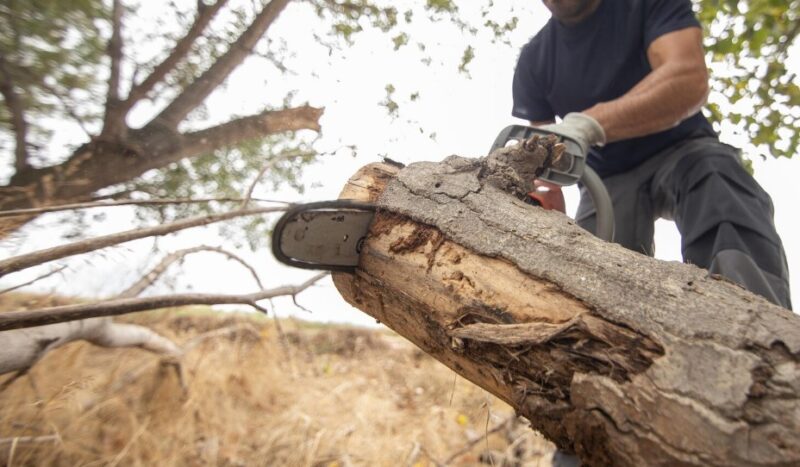
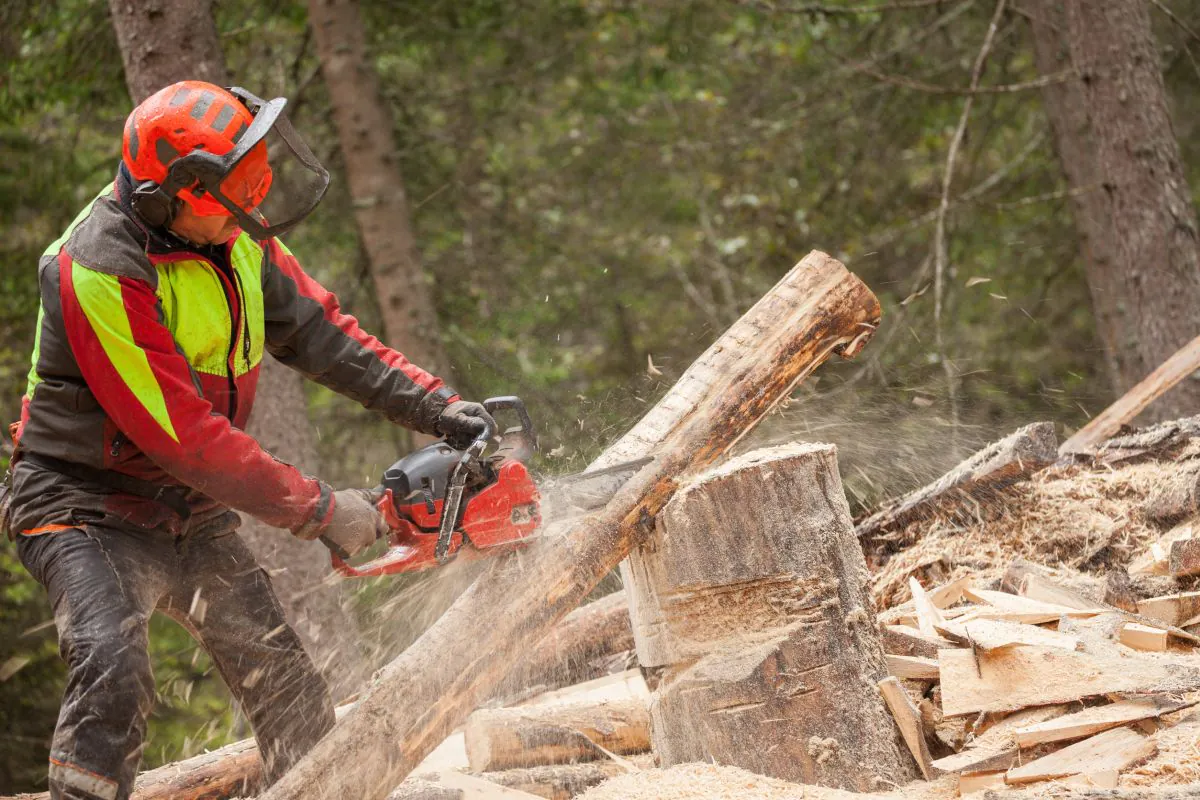
Logging remains the most dangerous occupation among those listed in the federal comparison.
In 2024, logging workers experienced 110.4 fatal injuries per 100,000 full-time equivalent workers, with 51 deaths recorded.
The work involves cutting large trees, operating powerful machinery and moving heavy timber through forests. Falling trees and branches, unstable logs and equipment incidents can cause severe injuries.
Working conditions add to the difficulty. Logging crews may operate on steep slopes, uneven ground and remote sites where emergency assistance can take longer to arrive.
Safety procedures must account for the direction in which trees will fall, the position of nearby workers and the condition of cutting equipment. Even an experienced operator faces considerable danger when a large tree falls unpredictably.
Commercial Fishing Is Far More Dangerous Than Most People Realize
Fishing and hunting workers recorded the second-highest fatal injury rate at 88.8 deaths per 100,000 full-time equivalent workers.
The occupation recorded 24 deaths in 2024. Although the total is relatively small, the risk is exceptionally high compared with most other jobs.
Commercial fishing involves working around powerful equipment, slippery surfaces and moving vessels. Severe weather, heavy fishing gear and falls overboard can quickly turn routine activities into emergencies.
Crews may also work far from shore, making immediate medical assistance difficult.
The dangers vary considerably between fishing operations, vessel types and working conditions. Nevertheless, the national fatality rate places fishing among the most hazardous occupations in the country.
Roofers and Steelworkers Face Serious Fall Hazards
Working several stories above the ground creates obvious dangers, especially when surfaces are wet, unstable or difficult to access.
Roofers recorded 104 workplace deaths in 2024, with a fatal injury rate of 48.7 per 100,000 workers. Structural iron and steel workers recorded 14 deaths and a rate of 37.8.
Roofing involves ladders, exposed edges, sloped surfaces and materials that can become slippery. Steelworkers may operate on elevated beams and partially completed structures.
Falls are particularly important in construction. According to OSHA fall prevention guidance, falls are the leading cause of construction fatalities.
Guardrails, properly selected fall protection equipment, secure access routes and worker training can reduce exposure to these hazards.
Employers also need to consider weather conditions, equipment inspections and the sequence of work.
Note: A safety plan written before construction begins offers little protection if workers cannot follow it on the actual site.
Garbage Collection Is One of the Most Dangerous Everyday Jobs
Collecting household waste may appear less hazardous than logging or working on a construction site. Federal statistics suggest otherwise.
Refuse and recyclable material collectors experienced 37.4 fatal injuries per 100,000 full-time equivalent workers in 2024. The occupation recorded 36 deaths.
Workers spend much of their day alongside large trucks, moving traffic and mechanical lifting equipment. Collection routes may involve reversing vehicles, narrow streets and repeated movement between trucks and roadside containers.
Limited visibility around large vehicles creates additional danger for workers standing nearby.
The surprisingly high fatal risk among sanitation workers also demonstrates why public perceptions of dangerous occupations do not always match the statistics.
Vehicle safety procedures, clear communication between drivers and collection crews, and separation between workers and moving equipment are important measures for reducing the risk.
Truck Drivers Account for the Largest Number of Deaths
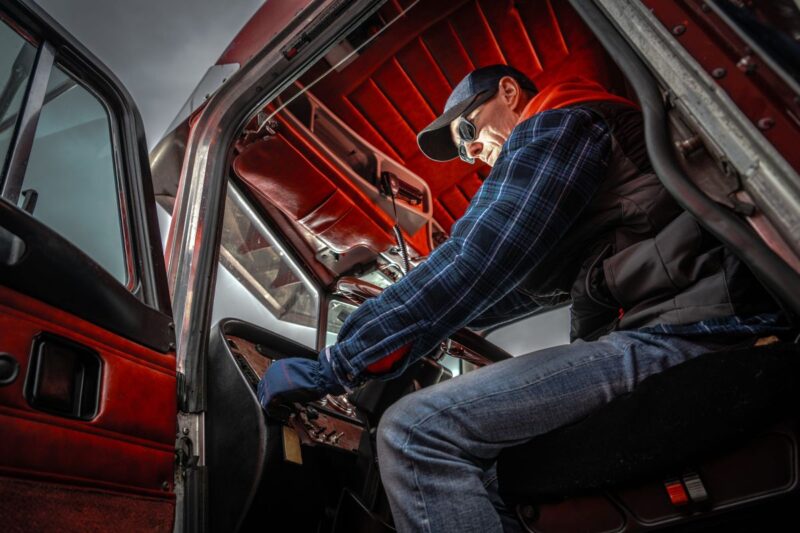
Logging workers have the highest fatality rate in the table, but truck drivers account for many more deaths.
The BLS recorded 950 fatal workplace injuries among driver/sales workers and truck drivers in 2024. Their fatal injury rate was 25.7 per 100,000 full-time equivalent workers.
Truck driving involves long periods on public roads, exposure to changing weather conditions and regular interaction with other vehicles.
Vehicle collisions are an obvious danger, but workers can also be injured during loading, unloading and activities around large trucks.
Driver fatigue, vehicle condition, road conditions and work schedules all influence transportation safety.
The high death count also reflects the large workforce involved in transporting goods throughout the United States.
Pilots, Miners and Groundskeepers Also Face Elevated Risks
Several other occupations in the federal data have fatal injury rates far above the national average.
Aircraft Pilots and Flight Engineers
Aircraft pilots and flight engineers recorded 73 deaths and a fatal injury rate of 36.7 per 100,000 full-time equivalent workers.
The occupational category covers different types of aviation work. Its overall fatality rate should not be interpreted as the risk associated specifically with flying on a major commercial passenger airline.
Note: Aviation hazards can vary substantially between commercial transport, agricultural flying and other aircraft operations.
Underground Mining Machine Operators
Underground mining machine operators recorded 12 fatalities and a rate of 35.6.
The work involves heavy equipment in confined underground environments. Machinery, unstable ground conditions and other underground hazards require careful monitoring and specialized safety procedures.
Grounds Maintenance Workers
Grounds maintenance workers recorded 239 deaths and a fatal injury rate of 20.9.
The occupation includes landscaping and other outdoor maintenance activities involving machinery, tree work and potentially hazardous working locations.
Workers may operate lawn equipment near roads, maintain trees or work around moving vehicles and heavy materials.
The number of deaths is particularly notable because the work is widespread across residential, commercial and public properties.
Transportation Incidents Cause More Workplace Deaths Than Falls
Falls attract considerable attention because of their connection to construction work. However, transportation incidents account for the largest share of fatal occupational injuries nationwide.
According to the latest federal workplace fatality report, transportation incidents caused 1,937 deaths in 2024, representing 38.2% of all workplace fatalities.
Falls, slips and trips accounted for another 844 deaths.
| Type of Fatal Incident | Deaths in 2024 |
|---|---|
| Transportation incidents | 1,937 |
| Falls, slips and trips | 844 |
| Exposure to harmful substances or environments | 687 |
| Violent acts | 733 |
Transportation incidents include more than collisions involving professional drivers. Workers can also be struck by vehicles or mobile equipment during activities at construction sites, warehouses and other workplaces.
Different occupations therefore need different safety measures. The risks facing a truck driver are not the same as those facing a roofer or an underground miner.
What Happens After a Serious Workplace Accident?
A fatal workplace incident can leave families facing lost income, funeral expenses and questions about the circumstances of the death.
Employers may have reporting obligations, and the incident may be investigated by relevant authorities. The agencies involved depend on the industry, location and nature of the accident.
Workers compensation rules and possible legal claims vary by state. In some cases, an accident involving another driver, an outside contractor or defective equipment may raise questions about responsibility outside the immediate employment relationship.
Families dealing with serious injuries or a fatal accident can learn more here about personal injury claims and the circumstances that may justify further legal review. The available options depend on the facts, applicable state law and the relationship between the parties involved.
For employers, preventing another incident requires identifying the hazards that contributed to the accident rather than treating the event as an unavoidable part of the job.
Approaches to workplace safety standards across industries differ because employees face different equipment, environments and operating conditions.
The Most Dangerous Jobs Are Not Always the Most Obvious
America recorded fewer fatal workplace injuries in 2024 than in the previous year, but 5,070 deaths still represent a substantial loss of life.
Logging and commercial fishing remain exceptionally dangerous when measured by fatality rates. Roofers, sanitation workers, pilots and several construction occupations also face risks far above the national average.
Truck driving presents a different concern. Its fatality rate is lower than logging or fishing, but the occupation accounts for hundreds more deaths because of the size of the workforce.
The figures show why both fatality rates and total deaths matter. Rates identify the occupations where an individual worker faces greater danger. Total deaths reveal where the largest numbers of workers are being lost.
Reducing those deaths requires attention to the actual hazards involved, especially moving vehicles, falls, heavy machinery and dangerous working environments. The occupation may influence the level of risk, but effective safety measures can still determine which workers return home.