
After years of rising rates and stagnant activity, the U.S. housing market is finally showing signs of renewed momentum.
The average 30-year fixed mortgage rate fell to 6.06% for the week ending January 15, according to new data from Freddie Mac.
It marks the lowest level since September 2022, offering a dose of relief for buyers and homeowners alike.
Market Responds to Lower Borrowing Costs
Economists say the decline is already having an impact.
“The effects are noticeable,” said Sam Khater, Freddie Mac’s chief economist. “Weekly purchase applications and refinance activity have jumped, underscoring the benefits for both buyers and current owners.”
Indeed, the drop in rates is a significant shift from this time last year, when the average 30-year fixed mortgage sat at 7.04%.
For a buyer purchasing a $450,000 home with a 20% down payment, today’s rates could lower monthly payments by about $230, or nearly $84,000 in savings over the life of a 30-year loan.
White House Push Adds Pressure
View this post on Instagram
Earlier this month, President Donald Trump called for a federal purchase of $200 billion in mortgage bonds, saying it would help drive borrowing costs down and improve affordability.
“This will drive mortgage rates DOWN, monthly payments DOWN, and make the cost of owning a home more affordable,” Trump wrote in a social media post.
While it’s unclear how much of that bond purchase has occurred so far, some economists believe the market may already be responding. Susan Wachter, a professor of real estate at the University of Pennsylvania’s Wharton School, said the early effects are visible.
“It has started; we can already see it in the data,” she said. However, she noted that full-scale purchases at the $200 billion level have not yet been confirmed.
Signs the “Lock-In Effect” Is Easing
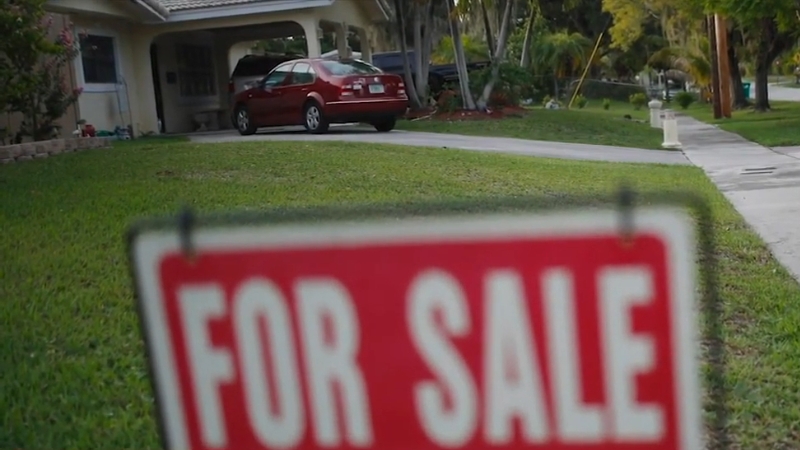
One of the defining dynamics of the post-pandemic housing market has been the so-called “lock-in effect,” where homeowners with ultra-low mortgage rates — often below 3% — have been reluctant to sell and trade up. But that trend may finally be shifting.
According to a Realtor.com analysis, the share of U.S. homeowners with mortgage rates above 6% has now surpassed those with rates below 3%, suggesting that fewer owners feel financially “trapped” in their current homes.
That shift appears to be translating into increased activity. In December, sales of previously owned homes rose 5.1% compared to the month before, according to new data from the National Association of Realtors (NAR), the fourth consecutive monthly gain and the longest streak since mid-2020.
Prices Remain Elevated Despite Momentum
The median existing-home sales price for all housing types in December was $405,400, up 0.4% from one year ago ($403,700) – the 30th consecutive month of year-over-year price increases. #NAREHS pic.twitter.com/U0h3E0ZwuV
— NAR Research (@NAR_Research) January 14, 2026
Even as sales pick up, home prices have yet to fall. The median sales price of existing homes in December was $405,400, marking the 30th straight month of year-over-year increases, according to NAR.
So while borrowing is becoming slightly more affordable, the overall affordability challenge remains, especially for first-time buyers.
Still, housing experts say increased movement in the market carries broader economic benefits, even if it doesn’t solve the affordability crisis outright.
More Mobility, More Opportunity
@thetiktokmortgageadviser Mortgage Rates Drop to Lowest Since 2022 – We discuss the excellent news about mortgage rates hitting their lowest levels since the 2022 mini-budget, with over 7,000 products now available on the market. We explain how this creates great opportunities for both purchasing and remortgaging, and highlight how lenders are regularly repricing their products. We also mention how we at J Finance monitor rates post-application to ensure our clients get the best deals in this improving market. #MortgageRates #UKMortgages #Remortgage #PropertyFinance #HomeBuying ♬ original sound – Rowan – Mortgage Broker
“People who have felt locked in their homes may be turning down job opportunities, delaying marriage or family plans, all because they feel trapped in a home that no longer meets their needs,” said Daryl Fairweather, chief economist at Redfin.
For many middle-class households, income levels vary sharply by U.S. state, and limited ability to move often means remaining stuck in regions where wages no longer match housing costs.
Greater mobility, she added, could benefit both the economy and individual well-being. “If more people were shuffling around, it would help the economy and people’s quality of life – even if it doesn’t help solve housing affordability.”
As the spring homebuying season approaches, economists will be watching to see whether lower rates, combined with growing supply and gradual shifts in behavior, will lead to sustained improvement or another short-lived bump in an already complex market.