
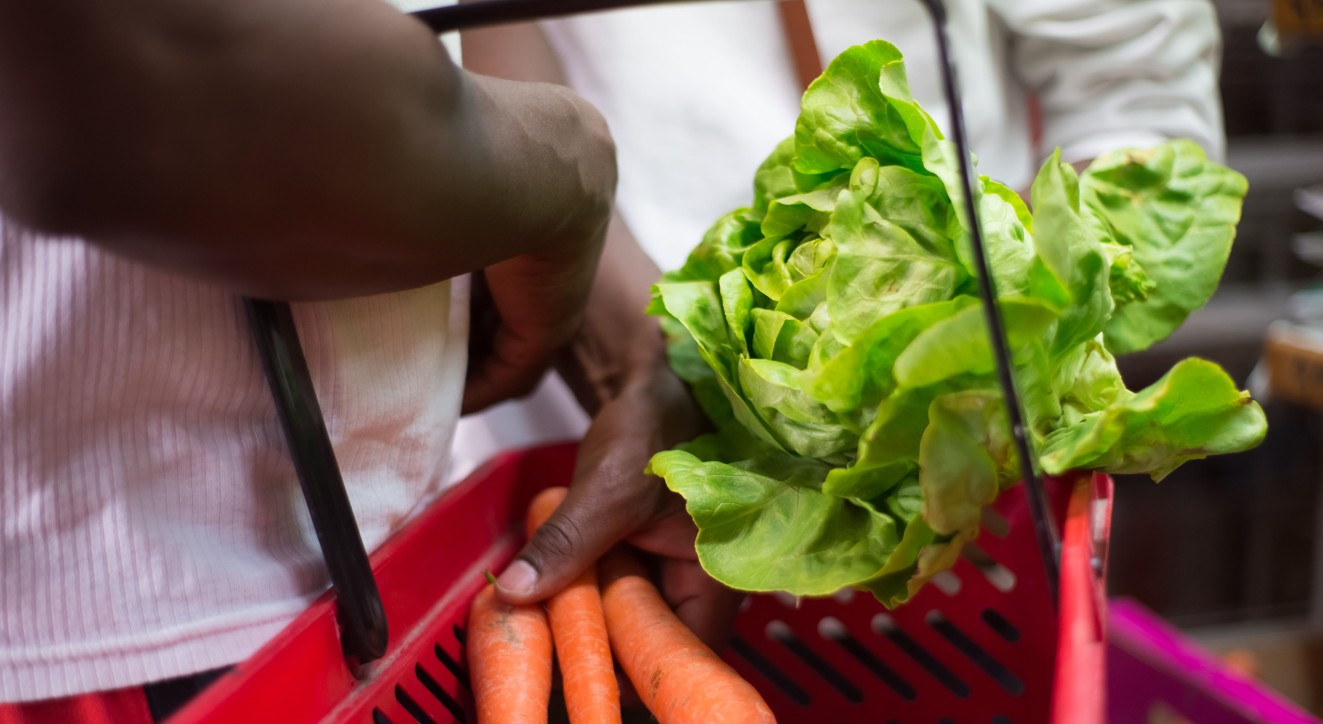
SNAP recipients and some households that do not receive food assistance could get an extra $60 each month to buy fruits and vegetables under a bill introduced in Congress.
The Fresh Bucks for Fresh Produce Act would create a five-year pilot program through the U.S. Department of Agriculture. States selected for the program would send eligible households $60 every 30 days, equal to as much as $720 a year.
The money is not available yet. The proposal was introduced on July 2, 2026, and remains with the House Agriculture Committee. It must pass the House and Senate and be signed by the president before any state can begin issuing benefits.
Table of Contents
ToggleWho Can Qualify for the Extra SNAP Produce Money?
Households receiving SNAP would meet the bill’s income requirement automatically.
States would need to provide SNAP households with a simple opt-in process or enroll them automatically. The bill specifically calls for less paperwork and directs states to avoid asking families to submit information already held through SNAP, Medicaid or child care assistance programs.
People who do not receive SNAP could also qualify. Their household income would need to be no more than 80% of the area median income where they live.
That limit would not be the same nationwide. Area median income depends on location and household size, so a family living in a high-cost city could qualify at a higher income than a similar family in a less expensive area.
One application would be permitted per household. Under the bill, a household means one person or a group of people who live together and normally buy and prepare their food together.
How Much Would Households Receive?
Eligible households would receive $60 for each 30-day benefit period.
The produce payment would be added on top of regular SNAP benefits. It would not replace or reduce the amount a household already receives.
States could place the money on an existing electronic benefit transfer card. People outside SNAP could receive a new EBT card or another payment method chosen by the participating state.
The $60 would expire after 30 days, according to the current bill. Unused money would therefore not continue building up from one month to the next.
What Could the $60 Be Used to Buy?
The money would be limited to qualifying fruits, vegetables and food-producing plants.
Covered purchases would include:
- Fresh fruits and vegetables
- Frozen fruits and vegetables with no added fat, sugar or salt
- Dried fruits and vegetables with no added fat, sugar or salt
- Fresh herbs
- Plant starts that grow eligible food
The benefit could be used at participating supermarkets, independent grocery stores, farmers markets and farm stands.
It would not work like ordinary SNAP money that can be spent on a wider range of groceries. The new payment is intended specifically for produce.
Will This Be Available in Each State?
No. The bill would create a pilot program rather than an immediate nationwide benefit.
States would need to apply for USDA grants. The department would give preference to applications focused on communities with high levels of food insecurity.
At least one state would be selected from each of five regions: the Pacific Northwest, Northeast, West, Midwest and South.
Participating states would also need plans for reaching places with limited access to grocery stores. Those plans could include mobile markets, delivery services and partnerships with health clinics or community organizations.
When Could SNAP Households Receive the $60?
There is no payment date because the bill has not become law.
H.R. 9581 was introduced by Democratic Rep. Pramila Jayapal of Washington and referred to the House Agriculture Committee. The committee can review it, amend it or decide not to move it forward.
If the House approves the bill, it would still need Senate approval and the president’s signature. USDA would then need time to create the grant program, select states and establish payment systems.
Eligible families should not expect the extra $60 on their next SNAP payment. No applications are open, and states have not yet been selected.
The Proposal Is Based on Seattle’s Fresh Bucks Program
The federal proposal is modeled on Seattle’s Fresh Bucks program, which already gives eligible residents $60 a month for fruits and vegetables.
Seattle says the program serves more than 17,000 households at over 45 participating stores and markets. Research cited by the city found that participating households had a 31% higher rate of food security and ate at least three daily servings of fruits and vegetables 37% more frequently than people on the program’s waiting list.
Jayapal said the federal bill is intended to bring that model to other parts of the country.
What Happens Next?
The bill remains a proposal, not an approved SNAP benefit.
For now, the main details are clear. SNAP households would meet the income test, non-SNAP households earning no more than 80% of local median income could apply, and approved families would receive $60 every 30 days for qualifying produce.
The next step is action by the House Agriculture Committee. Until Congress passes the bill and USDA selects participating states, no household can claim the new payment.
The complete text of H.R. 9581 is available through the U.S. Government Publishing Office.
Read Next: Social Security Payments in August