

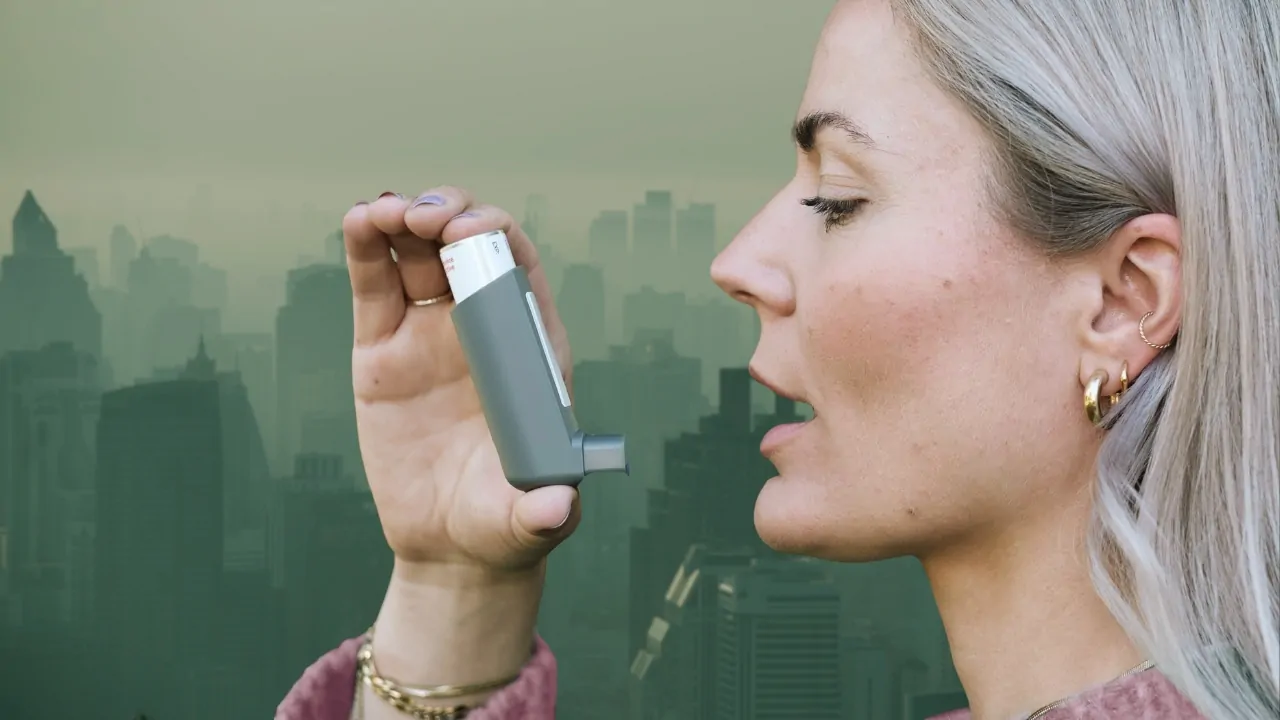
Asthma affects more than 28 million people in the United States, and its burden is not evenly distributed, according to the aafa. In 2020 alone, emergency departments handled 986,453 visits for asthma, and hospitals discharged 94,560 patients whose primary diagnosis was asthma.
Those numbers translate to 29.8 ED visits and 2.9 hospitalizations per 10,000 people. While adults accounted for two‑thirds of visits, children remain particularly vulnerable; boys aged 0–4 years had 42 ED visits per 10,000 and a hospitalization rate of 5.7 per 10,000, noted by the CDC.
The picture becomes even more unequal when race is considered: Black Americans experienced 82.8 ED visits per 10,000 and 7.1 hospitalizations per 10,000, more than four times the rates among White Americans.
Pollution and Asthma Exacerbations

Air pollutants aggravate asthma by inflaming the airways and increasing the risk of severe attacks that require emergency care. Fine particles (PM₂.₅) and ground‑level ozone (O₃) are particularly harmful.
A study of more than 1,700 children admitted to the Children’s Hospital at Montefiore in the Bronx found that for every 10 µg/m³ increase in PM₂.₅ or O₃, the average hospital stay lengthened by up to 10 %.
The Bronx stands out in national statistics: approximately 17 % of children there have asthma, compared with 5.8 % nationally. The borough’s high asthma prevalence is linked to dense highway networks and industrial emissions that degrade air quality.
Respiratory Therapies notes that wildfire smoke events illustrate how quickly pollution can translate into hospital surges. During the June 2023 Canadian wildfire smoke event in New York State, PM₂.₅ concentrations spiked to 55–122 µg/m³, representing 590–1 230 % above normal levels.
As a result, asthma‑associated ED visits skyrocketed: statewide visits increased by 81.9 % (from 80.8 to 147 visits) on June 7, with regional increases as high as 179 %. Older children and young adults (ages 10–29) saw a 197.6 % jump in visits.
These numbers underline that poor air quality is not an abstract environmental issue; it can translate to an immediate and significant increase in hospital workloads and patient suffering.
Cities Where Asthma Hits Hardest
The Asthma and Allergy Foundation of America (AAFA) releases an annual Asthma Capitals report that ranks the 100 largest U.S. metropolitan areas by three outcomes:
Overall 2025 Asthma Capitals
Rank
City (Metropolitan Area)
Notes
1
Detroit, MI
Returned to #1 after ranking #3 in 2024; high asthma prevalence and mortality.
2
Rochester, NY
High asthma prevalence (ranked #1 for prevalence).
3
Allentown, PA
High ED visit rate and prevalence.
4
Philadelphia, PA
Consistently high prevalence and mortality.
5
Cleveland, OH
Elevates due to ED visits and deaths.
6
Fresno, CA
One of the most polluted cities, with a high prevalence.
7
Hartford, CT
Elevated prevalence; moderate ED visits.
8
Albany, NY
High prevalence; lower ED visits and mortality.
9
Providence, RI
Moderate prevalence; high ED visits.
10
Milwaukee, WI
Highest rate of asthma‑related ED visits.
Cities With The Highest Estimated Asthma Prevalence
The table below lists metropolitan areas with the highest estimated asthma prevalence according to AAFA. Data are based on claims for asthma care in 2024.
Prevalence Rank
City
AAFA overall rank
Comments
1
Rochester, NY
2
Highest estimated prevalence.
2
Detroit, MI
1
Second‑highest prevalence; also leads in mortality.
3
Albany, NY
8
Notable for high prevalence despite smaller size.
4
Allentown, PA
3
High prevalence and ED visits.
5
Hartford, CT
7
Eastern industrial and transportation corridors increase exposure.
6
Philadelphia, PA
4
High prevalence and mortality.
7
Fresno, CA
6
Combines poor air quality and high prevalence.
8
Cleveland, OH
5
Midwestern industrial legacy contributes to the prevalence.
9
Harrisburg, PA
15
Heavy traffic corridors and industrial emissions.
10
Providence, RI
9
High prevalence despite a smaller city size.
Cities With the Highest Asthma‑Related ED Visits
Asthma ED visits reflect poor disease control and exposure to triggers. AAFA’s report lists Milwaukee, WI, Louisville, KY, and Memphis, TN among the worst for ED visits.
ED Visit Rank
City
AAFA overall rank
Observations
1
Milwaukee, WI
10
The highest rate of ED visits despite only moderate prevalence.
2
Louisville, KY
49
Lower overall ranking, but severe ED problem.
3
Memphis, TN
42
High ED visit rates and mortality.
4
Virginia Beach, VA
23
Coastal weather patterns and pollen contribute.
5
Madison, WI
82
Smaller city but high ED visits.
6
Allentown, PA
3
Appears here again due to uncontrolled asthma.
7
Oklahoma City, OK
60
Dust and severe weather triggers.
8
Stockton, CA
30
Central Valley pollution and allergens.
9
Dayton, OH
51
Industrial emissions and pollen.
10
Columbus, OH
57
Rising ED visits despite moderate prevalence.
Cities With the Highest Asthma‑Related Deaths

Deaths from asthma are rare but often preventable. Baltimore tops AAFA’s list for asthma‑related mortality.
Mortality Rank
City
AAFA overall rank
Notes
1
Baltimore, MD
13
The highest crude death rate per 100,000 people.
2
St. Louis, MO
32
Elevated mortality despite mid‑range prevalence.
3
Richmond, VA
16
Historically high death rates.
4
Jackson, MS
47
Poverty and healthcare access issues.
5
Memphis, TN
42
Appears again due to high ED visits and deaths.
6
Chattanooga, TN
77
Rising mortality despite a smaller population.
7
New York, NY
25
Large population; disparities across boroughs.
8
Fresno, CA
6
Poor air quality and high prevalence contribute.
9
Philadelphia, PA
4
High mortality in addition to high prevalence.
10
Tucson, AZ
22
Elevated mortality despite a smaller city.
Air Quality Offenders: Most Polluted U.S. Cities
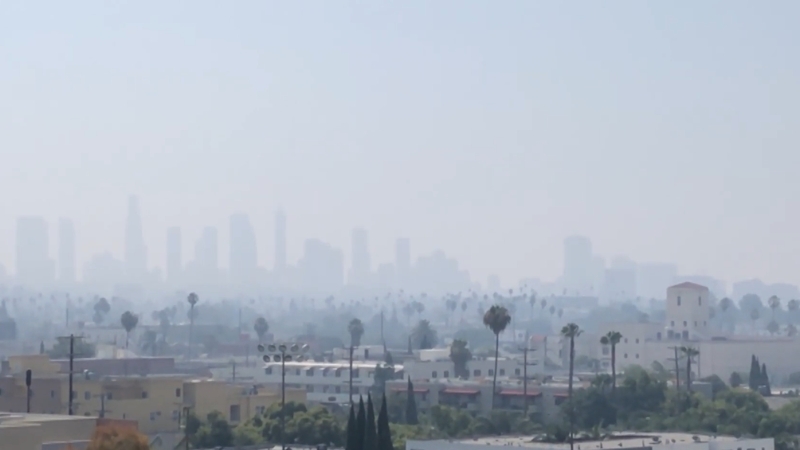
The American Lung Association’s State of the Air 2025 report focuses on three pollutant measures: short‑term particle pollution (PM₂.₅), year‑round particle pollution, and ozone smog.
The table below lists the top 10 metropolitan areas for each pollutant type.
Pollutant Measure
Worst‑affected cities
Commentary
Short‑term particle pollution
Bakersfield, CA; Fairbanks, AK; Eugene‑Springfield, OR; Visalia, CA; Fresno‑Hanford‑Corcoran, CA; Reno‑Carson City‑Gardnerville, NV‑CA; Los Angeles‑Long Beach, CA; Yakima, WA; Seattle‑Tacoma, WA; Sacramento‑Roseville, CA
These cities experienced the most daily spikes in PM₂.₅ during 2021–2023. Wildfire smoke and agricultural burning contribute heavily.
Year‑round particle pollution
Bakersfield, CA; Visalia, CA; Fresno‑Hanford‑Corcoran, CA; Eugene‑Springfield, OR; Los Angeles‑Long Beach, CA; Detroit‑Warren‑Ann Arbor, MI; San Jose‑San Francisco‑Oakland, CA; Houston‑Pasadena, TX; Cleveland‑Akron‑Canton, OH; Fairbanks‑College, AK
Chronic exposure to PM₂.₅ in these cities raises baseline asthma risks.
Ozone smog
Los Angeles‑Long Beach, CA; Visalia, CA; Bakersfield, CA; Phoenix‑Mesa, AZ; Fresno‑Hanford‑Corcoran, CA; Denver‑Aurora‑Greeley, CO; Houston‑Pasadena, TX; San Diego‑Chula Vista‑Carlsbad, CA; Salt Lake City‑Provo‑Orem, UT‑ID; Dallas‑Fort Worth, TX‑OK
Ozone forms when sunlight reacts with pollutants from vehicles and industry; many of these cities lie in sunny valleys that trap smog.
Air‑quality rankings and asthma rankings overlap in several metropolitan areas. Bakersfield, Visalia, Fresno, and Los Angeles consistently top both pollution and asthma lists, highlighting how persistent smog and particle pollution contribute to breathing problems.
Detroit appears among the worst for year‑round particle pollution and also tops the asthma burden ranking.
Zooming in: Hospitalization Numbers in Detroit, Texas, and California

Detroit, Michigan
Detroit’s asthma crisis has deep roots. From 2018–2020, Detroit recorded 19.7 asthma hospitalizations per 10,000 residents, compared with 18.4 per 10,000 in the surrounding Wayne County and 16.7 per 10,000 statewide.
In 2024, 16.2 % of Detroit adults had asthma, compared with 11.1 % across Michigan; children in Detroit were nearly twice as likely to be hospitalized as children statewide. Black Detroiters faced more than three times the hospitalization rate of White Detroiters.
Experts attribute Detroit’s burden to a combination of aging housing (80 % of homes are over 60 years old) prone to mold and pests; exposure to emissions from freeways, industrial facilities, and heavy truck traffic; and high poverty and racial segregation.
Climate change and wildfire smoke have extended allergy seasons and worsened air quality, pushing more residents into emergency rooms.
Texas
According to the Impact of Asthma in Texas 2025 report, more than 2.2 million Texans live with asthma. In 2023, uncontrolled asthma resulted in over 109,000 emergency department visits and 8,500 hospitalizations; hospital charges for these encounters totaled $2.2 billion.
The adult ED visit rate decreased between 2019 and 2021 but climbed back to 28.2 visits per 10,000 adults in 2023. For children, asthma inpatient discharge rates averaged 5.7 per 10,000 in 2023, though public‑health regions 1, 2, and 8 experienced significantly higher rates.
The report notes that smoking, exposure to PM₂.₅ and ozone, poverty, and limited healthcare access contribute to these rates, and it calls for improved asthma education and air‑quality monitoring.
California
@thehealthexchangepodcast 🫁Episode Alert🫁 Asthma is the most common chronic disease in children. But it is also very treatable. No one should die from it. Dr. Sande Okelo, Division Chief, UCLA Pediatric Pulmonology and Dr. Lori Livingston, Pediatrician at Miller Children’s Hospital and @pediatricmedicalcenter talk with Dr. Rutland about medical issues that can affect little lungs, like asthma. Listen up, parents! Time to get your questions answered! Learn all about pediatric pulmonary issues on the full episode on YouTube and everywhere you get your podcasts. 🔗 Link in our bio. Disclaimer: The content is not intended to be a substitute for professional medical advice, diagnosis, or treatment. Always seek the advice of your physician or other qualified health provider with any questions you may have regarding a medical condition. #pediatricpulmonology #pulmonologist #asthma #medicalpodcast ♬ original sound – thehealthexchangepodcast
Childhood asthma hospitalizations in California tell a story of decline and rebound. After dropping sharply during the pandemic, the number of asthma hospitalizations for children under 18 rebounded to more than 7,700 in 2022, equating to about 9 discharges per 10,000 children.
County‑level differences are striking: in Fresno County, 2022 saw more than 13 hospitalizations per 10,000 children, up from 5.1 in 2020; this rate was over 3.5 times higher than that in Santa Barbara County, which had fewer than 4 per 10,000.
Fresno’s combination of agricultural dust, vehicle emissions, and wildfire smoke places it on the short‑term and year‑round pollution lists, explaining the high hospitalization rate.
The Bronx and New York
New York City’s boroughs illustrate how environmental justice intersects with asthma. The Bronx has been dubbed “asthma alley” because multiple highways and industrial facilities converge there. In this borough, 17 % of children have asthma, more than triple the national average, and poverty remains high.
When air pollution spikes, outcomes worsen: the Montefiore study showed that each 10 µg/m³ increase in PM₂.₅ and O₃ lengthened pediatric hospital stays by up to 10 %, highlighting how chronic exposure leads to more severe attacks and higher healthcare costs.
Wildfire smoke events, such as the one in June 2023, cause ED visits to jump by over 80 % across New York State, according to the CDC. Such episodes illustrate how climate‑driven air quality crises can exacerbate already high asthma burdens.
What Drives the Burden? Risk Factors And Inequities

The intersection of poverty, race, housing, and pollution explains why some cities fare worse. AAFA emphasises that poverty, air pollution, limited access to specialist care, pollen exposure, tobacco smoke, and insurance coverage all shape asthma outcomes.
Structural racism and historic redlining have concentrated Black and low‑income communities near highways and industrial zones.
In Detroit, for example, black residents experience more than three times the hospitalization rate of white residents. Nationwide, asthma ED visit rates per 10,000 were 89.5 for Black children versus 14.4 for White children, while hospitalization rates were 8.6 vs 1.5 per 10,000 according to the NCBI study.
Females also have higher asthma hospitalization rates than males across all ages (3.5 vs 2.2 per 10,000).
Climate change complicates the picture. State of the Air 2025 notes that extreme heat, drought, and wildfires are pushing particle and ozone pollution into the East and Midwest. These events degrade air quality for millions of people.
The report also observes that although people of color make up 41.2 % of the U.S. population, they represent 50.2 % of the people living in counties with at least one failing grade for particulate or ozone pollution. In other words, the communities already facing high asthma rates are the ones most exposed to unhealthy air.
Conclusion
View this post on Instagram
Air quality and asthma hospitalizations are intimately connected. The statistics show that poor air, whether chronic smog or short‑term wildfire smoke, translates into more emergency visits, longer hospital stays, and even premature deaths.
Cities like Detroit, Rochester, Allentown, Bakersfield, and Los Angeles occupy the top of both asthma and pollution rankings, underscoring how environmental injustice can become a public‑health crisis.
By strengthening clean‑air policies, addressing social inequities, preparing for climate‑driven pollution events, and empowering patients with knowledge and care, we can bend these trends toward healthier lungs for all.