
People reach the emergency room for many reasons. Some arrive with an obvious injury. Others have pain, breathing problems or a sudden change that could point to several different conditions. Emergency departments must work out which patients can safely go home and which need immediate treatment, surgery or admission to the hospital.
The latest figures estimate that U.S. emergency departments handled 155.4 million visits, equal to 47.3 visits for every 100 people.
The national emergency department also recorded 43.5 million injury-related visits and 17.8 million visits that ended with admission to the hospital.
A rate of 47.3 visits per 100 people does not mean that almost half of Americans went to an emergency room. One person can make several visits during the year. Repeat visits are especially important among patients with serious chronic illness, unstable housing, limited access to regular care or complex mental health needs.
The list below ranks the main reason patients gave for seeking emergency care. A reason for visit is not the same as a final diagnosis. Someone who arrives with abdominal pain may later be diagnosed with appendicitis, a kidney stone, an infection or a less serious digestive problem.
Key Takeaways
- 155.4 million visits: Emergency departments recorded 47.3 visits for every 100 people.
- Abdominal pain remained first: It accounted for about 13.1 million visits, or 8.4% of the national total.
- Chest pain ranked second: More than 8.3 million visits began with chest pain or a related symptom.
- Respiratory symptoms were prominent: Cough, shortness of breath and fever each accounted for about 3.8% of visits.
- The youngest and oldest patients had the highest rates: Infants had 98.9 visits per 100 children, and adults aged 75 or older had 76 visits per 100 people.
- Most visits did not end with admission: About 11.5% resulted in admission to the same hospital.
What the Latest ER Figures Show

The total number of emergency visits rose from about 139.8 million in the previous national survey to approximately 155.4 million. The most common complaints remained broadly familiar, although cough moved ahead of shortness of breath in the latest ranking.
Emergency departments also saw large differences between groups. Females accounted for 84.9 million visits, or 54.6% of the total. Adults aged 25 to 44 generated the largest number of visits, but infants and adults aged 75 or older had the highest rates relative to the size of their populations.
Speed and outcome varied considerably. According to the latest national emergency care figures, 40.6% of patients were seen in less than 15 minutes. About 17.8 million were admitted to the hospital, including 3.1 million admitted to a critical care unit.
| Rank | Main reason for the ER visit | Estimated visits | Share of all visits |
|---|---|---|---|
| 1 | Stomach and abdominal pain, cramps or spasms | 13.1 million | 8.4% |
| 2 | Chest pain and related symptoms | 8.4 million | 5.4% |
| 3 | Cough | 6.0 million | 3.8% |
| 4 | Shortness of breath | 5.9 million | 3.8% |
| 5 | Fever | 5.8 million | 3.8% |
| 6 | Headache or pain in the head | 4.1 million | 2.7% |
| 7 | Pain not linked to one body system | 3.4 million | 2.2% |
| 8 | Back symptoms | 3.2 million | 2.1% |
| 9 | Vomiting | 3.0 million | 1.9% |
| 10 | Psychological and mental health symptoms | 2.9 million | 1.9% |
The top 10 complaints accounted for 35.9% of all emergency visits. The remaining 64.1% covered hundreds of other reasons, including injuries, allergic reactions, dizziness, bleeding, pregnancy-related concerns, infections and neurological symptoms. The national ER data dashboard allows readers to compare the leading complaints across age groups, sexes and hospital characteristics.
1. Stomach and Abdominal Pain, Cramps and Spasms
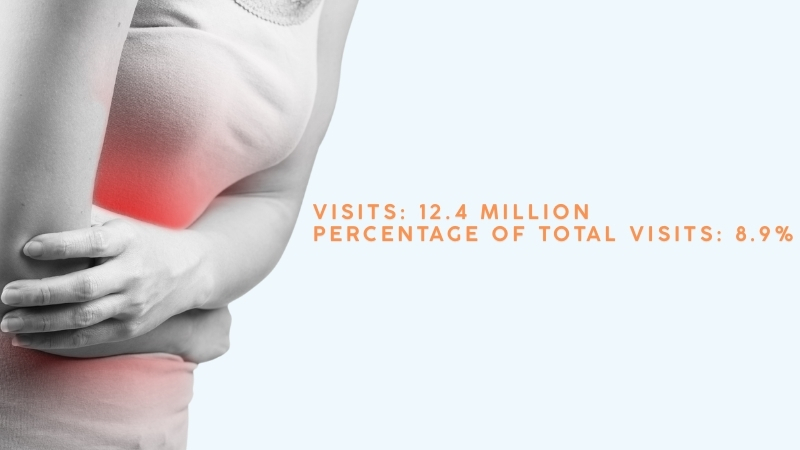
Abdominal pain was the leading complaint, accounting for 8.4% of all emergency department visits. Its place at the top makes sense because pain in the abdomen can come from the digestive system, urinary tract, reproductive organs, blood vessels or abdominal muscles.
Indigestion and temporary stomach infections can cause considerable discomfort, but similar pain may appear with appendicitis, gallstones, kidney stones, bowel obstruction or internal bleeding. A clinical review of abdominal pain explains why doctors consider the location, timing, severity and movement of the pain before deciding which tests are needed.
Emergency evaluation becomes more important when severe pain begins suddenly, keeps getting worse or appears with fainting, a rigid abdomen, blood in vomit or stool, difficulty breathing or pregnancy. Older adults may have less typical symptoms, so a serious abdominal problem may not begin with dramatic pain.
2. Chest Pain and Related Symptoms
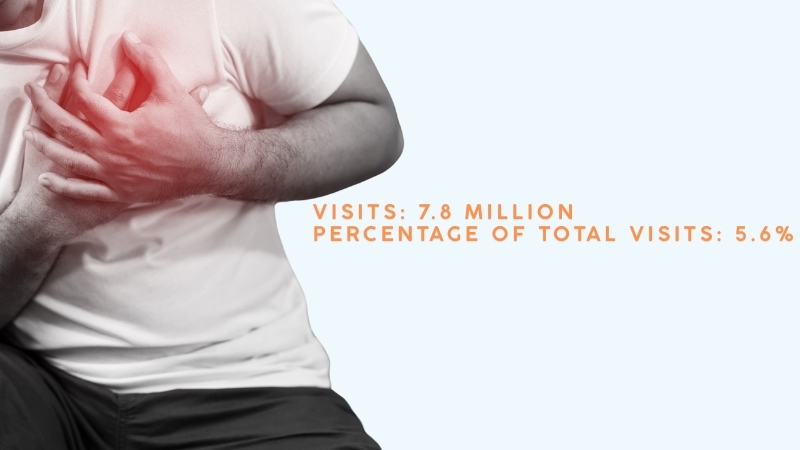
Chest pain accounted for 5.4% of all visits, making it the second most common complaint. Emergency staff must quickly rule out heart attack and other dangerous problems, even though many patients are eventually diagnosed with acid reflux, muscle pain, anxiety or another noncardiac cause.
The initial assessment may include an electrocardiogram, blood tests, oxygen monitoring and imaging. A clinical guide to chest pain notes that the description of the discomfort alone cannot always identify its cause.
Pressure, squeezing or heaviness in the chest deserves immediate attention when it appears with sweating, nausea, weakness, shortness of breath or pain spreading to the arm, back, neck or jaw. The high burden of cardiovascular disease in the United States is one reason emergency departments treat unexplained chest pain seriously.
3. Cough
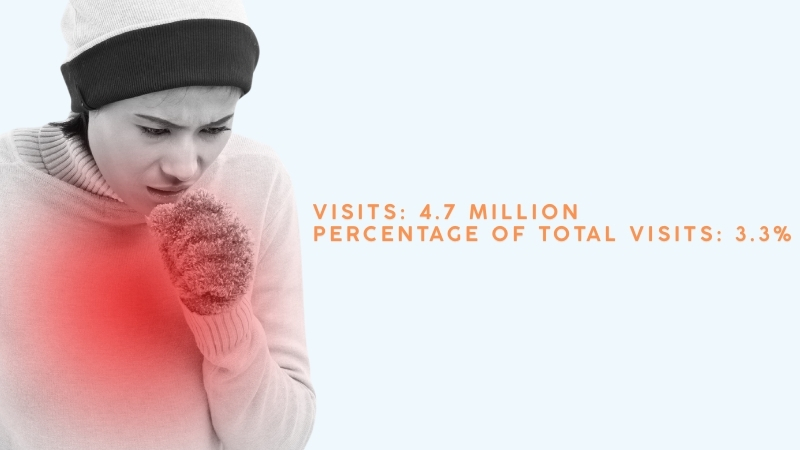
Cough moved into third place with approximately 6 million visits. Most coughs do not require emergency treatment, but the symptom can become urgent when it appears with serious breathing difficulty, blue or gray lips, chest pain, confusion, severe weakness or blood.
Emergency departments see cough caused by respiratory infections, asthma attacks, pneumonia, allergic reactions and worsening chronic lung disease. Young children, older adults and people with weakened immune systems may deteriorate faster than otherwise healthy adults.
What’s in a COPD Cough? via @everydayhealth http://t.co/ZQSqtBsO4x
— COPD Foundation (@COPDFoundation) March 28, 2014
A cough that lasts for days but remains mild may be better handled by a primary care clinic or urgent care center. Sudden breathing difficulty, coughing up blood or a sharp decline in alertness calls for emergency help.
4. Shortness of Breath
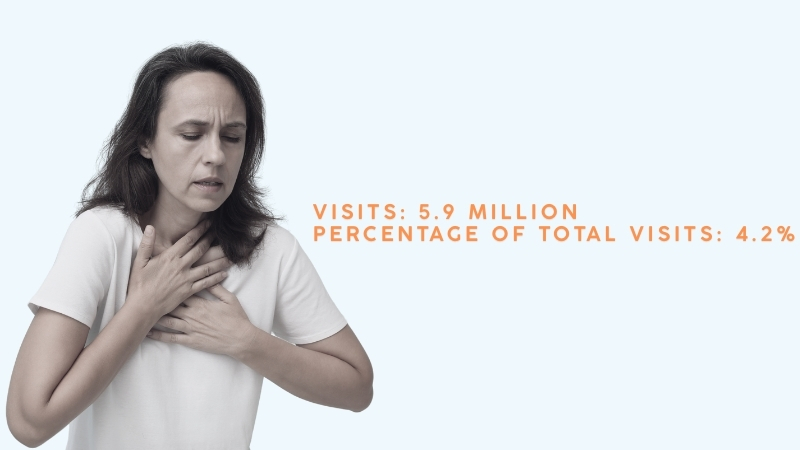
Shortness of breath accounted for another 3.8% of visits. The complaint can appear during an asthma attack, pneumonia, heart failure, a blood clot in the lungs, a severe allergic reaction or an episode of anxiety. Doctors cannot safely assume the cause from the symptom alone.
People with chronic obstructive pulmonary disease may seek emergency care when an infection or another trigger causes a sudden worsening of their usual breathing. Oxygen levels, respiratory rate, lung sounds and the ability to speak in full sentences help staff judge the severity of the episode.
Someone who cannot catch their breath, turns blue, becomes confused or cannot speak normally needs immediate help. Driving to the hospital may not be safe during severe respiratory distress.
Physical access to emergency care can also affect the response. Blocked streets, collisions and illegally parked vehicles may delay ambulances in dense urban areas.
In crowded cities, ambulances can be delayed when blocked lanes and double-parked cars slow traffic near hospitals and major roads. For someone struggling to breathe, even a brief delay can postpone oxygen support and emergency treatment.
5. Fever
Fever accounted for 3.8% of visits and was the leading complaint among children younger than 15. A raised temperature is a response to illness rather than a diagnosis, and the urgency depends on the patient’s age, other symptoms and medical history.
Influenza, COVID-19 and other respiratory infections can begin with similar symptoms. The CDC comparison of flu and COVID-19 explains why symptoms alone may not reliably separate the two illnesses.
Parents should contact a medical professional about any rectal temperature above 100.4°F, or 38°C, in a newborn. High fever with a stiff neck, confusion, trouble breathing, seizure, severe headache or unusual sleepiness also needs urgent assessment.
6. Headache or Pain in the Head

Headaches led to approximately 4.1 million visits, or 2.7% of the national total. Migraine, dehydration, viral illness and tension are common causes, but emergency doctors must also consider bleeding, meningitis, stroke and other neurological emergencies.
A headache that reaches maximum intensity within seconds or minutes is different from a familiar headache that builds gradually. Sudden severe pain, fainting, weakness on one side, confusion, vision loss, a stiff neck or a recent head injury should not be watched at home.
Severe headaches can occasionally occur with a ruptured brain aneurysm. Most headaches are not caused by an aneurysm, but the risk of missing a serious condition explains why new and unusual symptoms often lead to emergency imaging.
7. Pain Not Linked to a Specific Body System
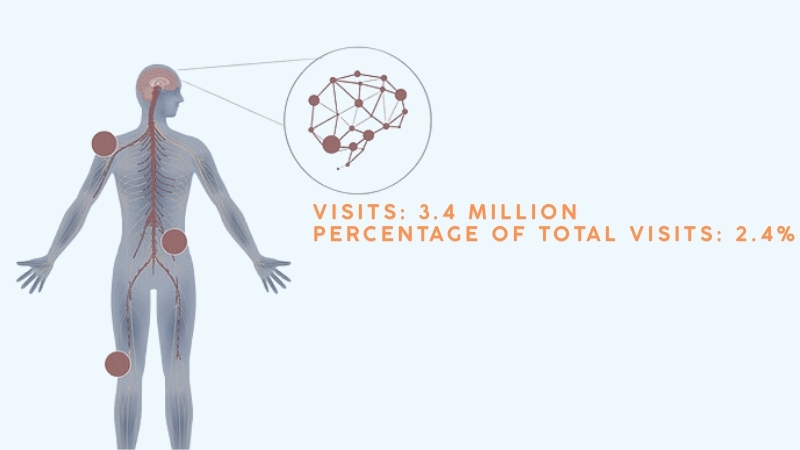
About 3.4 million patients described pain that could not initially be assigned to one body system. The category includes widespread aches, pain in several locations and symptoms that are difficult to describe during the first assessment.
Possible causes range from viral illness and medication effects to inflammatory disorders, nerve conditions and chronic pain syndromes. Several illnesses can also produce symptoms that resemble fibromyalgia and other widespread pain conditions.
View this post on Instagram
Emergency doctors may need blood tests, imaging and repeated examinations before the pattern becomes clear. The label describes how the patient first presented, not a conclusion that the pain had no physical cause.
8. Back Symptoms
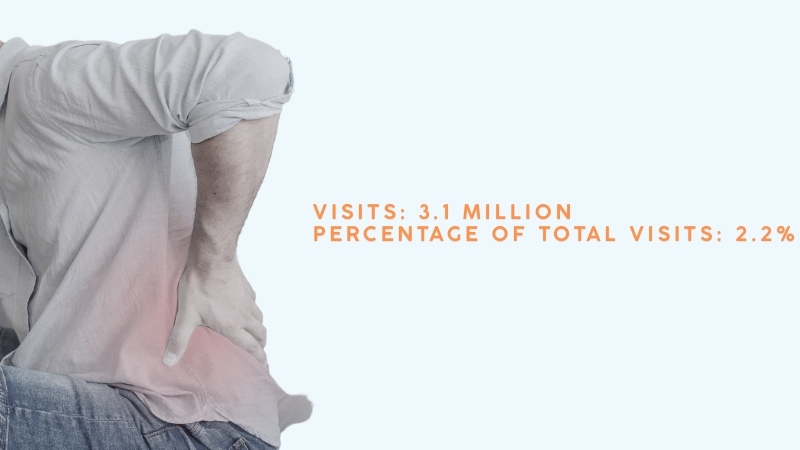
Back symptoms accounted for 2.1% of emergency visits. Muscle strains and irritated joints are common causes, but sudden back pain can also occur with kidney stones, infection, fractures, nerve compression or problems involving a major blood vessel.
Most ordinary back pain does not require an emergency room. Loss of bladder or bowel control, increasing leg weakness, numbness around the groin, fever, a major fall or severe pain in a person with cancer or a weakened immune system requires faster assessment. A medical guide to acute back pain lists weakness, fever and loss of bladder or bowel control among signs of a potentially serious cause.
Patients without warning signs may receive more appropriate and less expensive care through a primary care office or urgent care center. Emergency departments are designed to identify immediate threats rather than provide long-term treatment for recurring back pain.
9. Vomiting
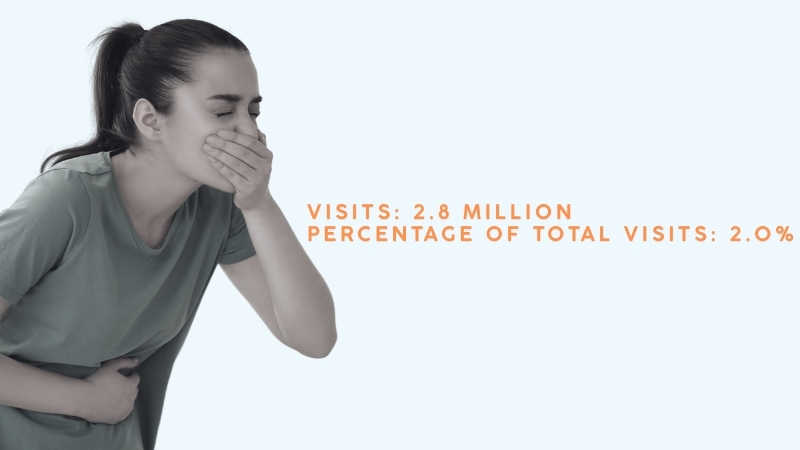
Vomiting accounted for approximately 3 million visits. Common causes include stomach infections, foodborne illness, medication reactions and migraine, but vomiting can also appear with appendicitis, bowel obstruction, poisoning, head injury or pregnancy complications.
Patients with recurring vomiting disorders can make repeated trips to the emergency department when symptoms cannot be controlled at home, according to research led by Thangam Venkatesan.
The immediate concern is often fluid loss. Children, older adults and patients who take certain medications can become dehydrated quickly. Blood in the vomit, severe abdominal pain, a stiff neck, confusion, fainting or an inability to keep down fluids requires prompt medical advice.
Emergency staff can provide intravenous fluids and medication while testing for the underlying cause. The need for an ER depends less on the number of times someone vomits and more on the patient’s condition, warning signs and ability to remain hydrated.
10. Psychological and Mental Health Symptoms
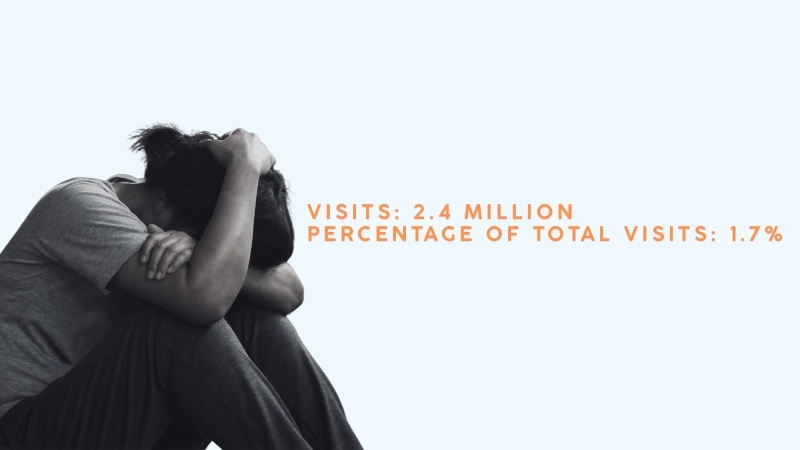
Psychological and mental health symptoms were the principal reason for approximately 2.9 million visits. The figure does not capture every mental health case treated in an emergency department because some patients arrive with injury, intoxication, chest pain or another physical complaint before receiving a psychiatric diagnosis.
Federal mental health statistics count 5.9 million visits in which a mental, behavioral or neurodevelopmental disorder became the primary diagnosis. The difference between 2.9 million initial complaints and 5.9 million diagnoses shows why the reason for arrival and the final medical finding should not be treated as the same measurement.
Emergency departments often become the point of entry for people facing suicidal thoughts, severe agitation, psychosis or an immediate risk of harm. A research agenda led by Gregory Luke Larkin described the central role emergency medicine plays in evaluating and stabilizing psychiatric crises.
Long waits for outpatient care can push more people toward hospitals after their condition becomes severe. Our reporting on areas with poor access to mental health services shows how shortages of local professionals leave families with fewer options before a crisis reaches the emergency stage.
Who Uses Emergency Departments Most Often?
The latest national analysis of ER use found the highest rates among infants and adults aged 75 or older. Infants recorded 98.9 visits per 100 children, while adults aged 75 or older recorded 76 visits per 100 people.
- Age: Adults aged 25 to 44 generated the largest number of visits, but infants and the oldest adults had the highest population-based rates.
- Sex: Females accounted for 54.6% of visits and had a rate of 51 visits per 100 females. The male rate was 43.5 per 100 males.
- Race and ethnicity: The rate was 91 visits per 100 Black non-Hispanic people, compared with 45 among White non-Hispanic people and 41 among Hispanic people.
- Residence: Nursing home residents recorded 240.9 visits per 100 residents. People recorded as homeless had 337.1 visits per 100 people.
- Region: Hospitals in the South handled 39.8% of all visits, largely because the South has the largest regional population. Visit rates were similar across the Northeast, Midwest, South and West.
Rates above 100 are possible because the measure counts visits rather than individual patients. A nursing home resident or person without stable housing may visit several times during the year.
Insurance Coverage Also Shapes ER Use
Medicaid, the Children’s Health Insurance Program and other state programs were the expected payment source for 40.3% of visits. Patients in those programs had an estimated rate of 99 visits per 100 covered people. The comparable rate among people with private insurance was 21.
The difference should not be read as proof that insurance causes unnecessary ER use. Medicaid covers many people with disabilities, low incomes, serious health conditions and limited access to doctors. Our examination of Medicaid and emergency department pressure explains how coverage, primary care shortages and hospital capacity can affect patient flow at the same time.
Uninsured patients accounted for about 6.2% of visits. Some avoid treatment because of cost until symptoms become too serious to ignore, a pattern that can make the eventual visit more complicated and expensive.
When an ER Is the Right Choice
Chest pressure, severe breathing difficulty, stroke symptoms, uncontrolled bleeding, loss of consciousness, a serious injury or an immediate danger of self-harm requires emergency help. Severe abdominal pain, persistent vomiting, a sudden unusual headache or a high fever with confusion may also need immediate assessment.
The warning signs of a medical emergency include sudden severe pain, breathing problems, changes in mental status, heavy bleeding and symptoms that suggest a stroke or heart attack. Calling emergency services is safer than driving when the patient could lose consciousness or deteriorate on the way.
Minor burns, simple sprains, uncomplicated infections and mild symptoms without warning signs may be treated faster at a clinic. Our comparison of urgent care and emergency room treatment explains how the services differ in cost, speed and the problems they are equipped to handle.
What the National Ranking Really Tells Us
Abdominal pain and chest pain remain at the top because both complaints cover a wide range of possible diagnoses. Respiratory symptoms also occupy three places in the top five, showing how often breathing infections and chronic lung problems bring patients to emergency care.
The ranking does not show that every visit was avoidable or that every patient had a life-threatening illness. Emergency departments exist because dangerous and harmless conditions often begin with the same symptom. Doctors may need an examination, laboratory work, imaging and time before they can safely tell the difference.
For readers, the useful lesson is not to treat every headache, cough or stomachache as an emergency. The better approach is to watch for sudden onset, unusual severity, breathing difficulty, confusion, fainting, weakness, heavy bleeding or a rapid decline. Those details often matter more than the name of the symptom alone.