
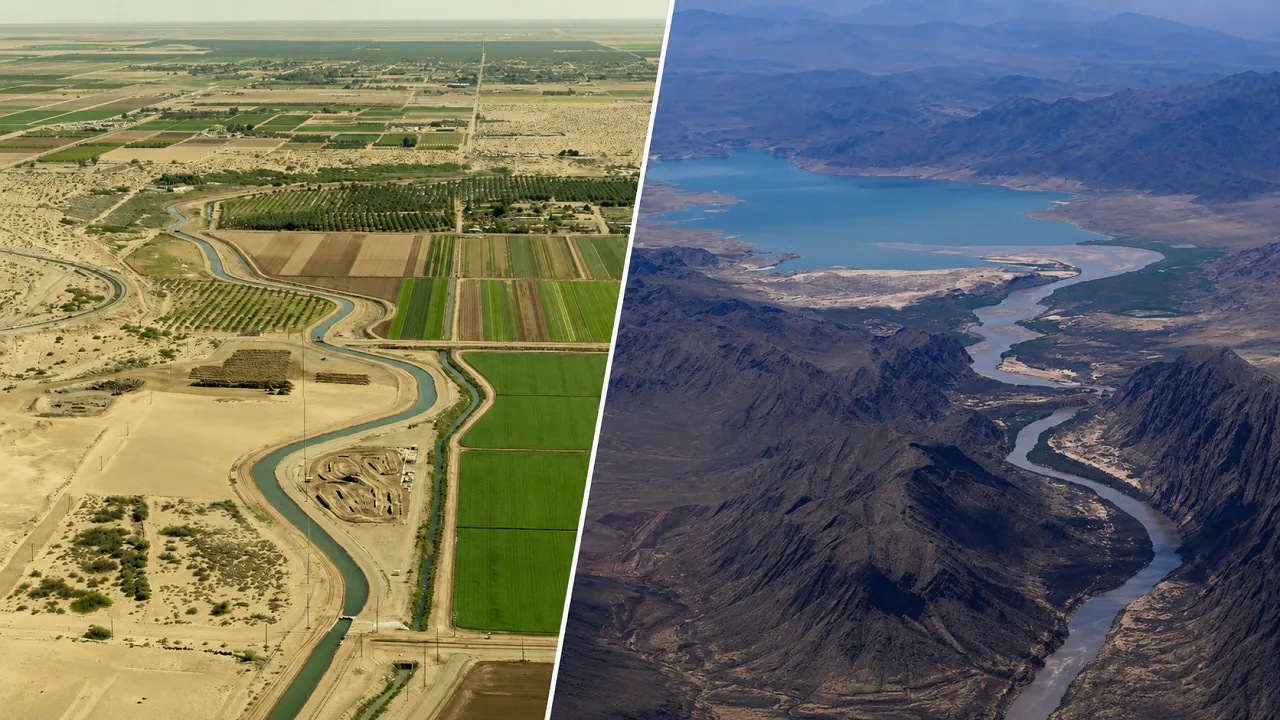
Farmers, ranchers, cities and tribal communities in Colorado, Utah, Wyoming and New Mexico could receive federal money for reducing their use of Colorado River water under a program planned for 2027 and 2028.
The four Upper Basin states are preparing separate conservation programs supported by $100 million that the Bureau of Reclamation intends to provide. Colorado expects to begin accepting proposals within the next several months, though officials have yet to settle the payment rates, eligibility rules or division of funding among the states.
The program would compensate participants for temporary and measurable reductions. Farms could leave part of their acreage unirrigated, shorten the irrigation season or change production methods. Cities, water districts and tribal governments could propose projects involving infrastructure, public facilities or other reductions that state officials can verify.
The rules governing Lake Powell and Lake Mead expire after 2026, and the seven states that depend on the river remain divided over how future shortages should be shared.
The Bureau of Reclamation published its final environmental review for post-2026 Colorado River operations on July 31, setting out several ways the federal government could manage reservoirs and impose reductions when storage falls.
Colorado Wants Broader Participation Than Earlier Programs
Paid conservation has previously centered on agriculture because farms account for most consumptive use in the Upper Basin. Colorado officials now say they want proposals from rural and urban areas, including municipal, industrial and tribal projects.
Amy Ostdiek, an interstate water official at the Colorado Water Conservation Board, said the state wants participation from different regions and economic sectors. The board plans to adopt final program criteria in September, according to The Water Desk.
Draft criteria call for projects that avoid serious harm to local communities, improve drought resilience, provide environmental benefits and encourage tribal participation. Colorado will also have to determine how much water each proposal would have consumed without payment, then document the reduction after the project begins.
That accounting will decide whether the program produces measurable savings or merely pays for changes that would have happened anyway. A farm already receiving less water because of drought cannot claim the entire shortage as voluntary conservation. A city also cannot receive credit for a reduction caused by population loss or unrelated construction delays.
The Upper Basin Has a Goal, Though No State Quotas
The Upper Colorado River Commission has discussed conserving as much as 100,000 acre-feet by the end of September 2028. That goal depends on federal funding, river conditions and the number of approved projects.
One acre-foot contains 325,851 gallons. The proposed Upper Basin total would equal about 32.6 billion gallons, roughly enough to supply hundreds of thousands of households for a year, depending on local consumption.
Colorado holds 51.75% of the Upper Basin allocation, though officials have not assigned the state a fixed conservation requirement. Water availability changes sharply from year to year, especially in areas where farms rely on seasonal snowmelt rather than large reservoirs.
During a wet year, a farmer may have enough allocation to accept payment for leaving part of it unused. During a dry year, the same farm may already face a shortage and have little additional water available to conserve voluntarily.
Colorado officials told 9NEWS that the conserved supply could be credited to the Upper Basin and stored in reservoirs such as Lake Powell or Blue Mesa. Formal agreements with the Bureau of Reclamation will still be needed before the states can protect and track that water.
Previous Pilots Paid Farms to Reduce Irrigation
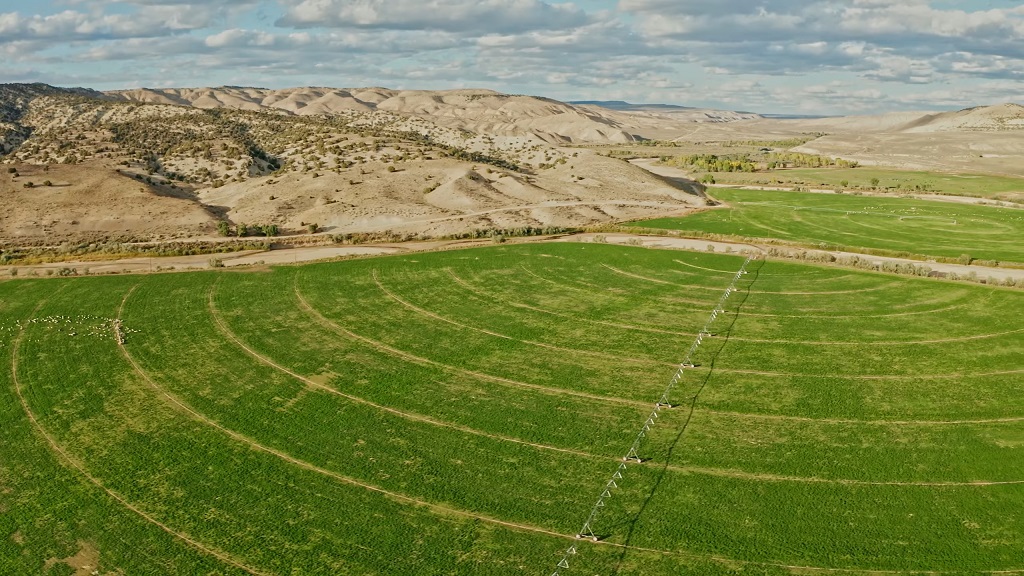
The Upper Basin tested paid conservation between 2015 and 2018. Farmers and ranchers received about $180 for each acre-foot they conserved. Participants left fields unirrigated, planted crops requiring less water or changed irrigation schedules.
The program returned during the 2023 and 2024 water years. The Interior Department provided $30 million for 114 projects expected to conserve about 66,400 acre-feet during 2024, according to the Bureau of Reclamation.
Federal officials later reported that the 2023 and 2024 pilot projects conserved a combined 104,000 acre-feet. Those results showed that temporary payments can reduce consumption, though they also exposed disagreements over price, verification and the destination of saved water.
Colorado participants were offered about $509 per acre-foot in 2024. That rate remained too low for certain municipal suppliers and farms with higher-value water, according to Aspen Journalism. State officials are now considering variable payments rather than one price for every project.
The value of an acre-foot differs by location and use. A payment that covers lost income on a cattle ranch may fall far below the value of water serving a city, industrial site or high-value crop. A single rate could therefore attract projects from only a narrow part of the state.
Farm Communities Want Protection From Economic Damage
Temporary conservation can still affect communities built around irrigated agriculture. When fields remain dry, farms purchase less seed, fuel, equipment and transportation. Seasonal employment may decline, while local processors and suppliers lose business.
Western Colorado has also seen the consequences of permanent water transfers from farms to cities. That history has made rural officials wary of programs that concentrate reductions in a limited number of agricultural counties.
The Colorado River District wants the state to distribute projects geographically and consider local economic effects when approving applications. Temporary agreements differ from permanent purchases of water rights, though several seasons of concentrated fallowing could still damage a small community.
The state will need to balance the amount of water conserved against the effect on farms, workers and local businesses. A project that looks inexpensive when measured by acre-feet may carry broader economic costs outside the contract.
The Program Arrives as Reservoir Storage Falls
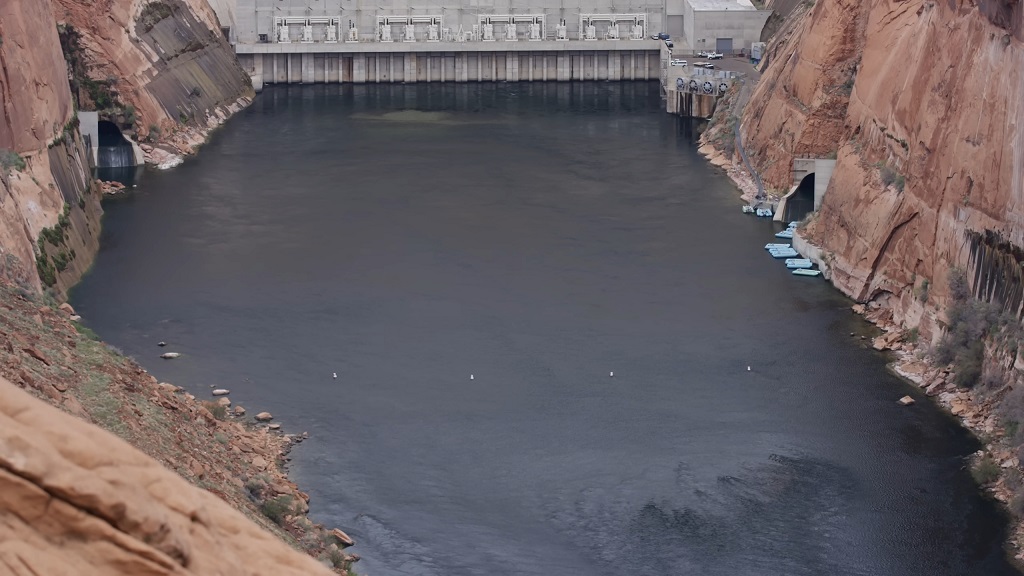
Lake Mead and Lake Powell have fallen to their lowest combined storage level since 1957. Lake Powell stood at 23% of capacity in July, while Lake Mead was 27% full. The wider Colorado River system held about four million acre-feet less water than it held at the same point in 2025.
We recently wrote about the decline in a report on water levels at Lake Mead and Lake Powell, including the threat to water deliveries and hydropower generation at Glen Canyon and Hoover dams.
The poor reservoir outlook followed weak snowfall and runoff in the Upper Basin. Forecast inflow to Lake Powell for the 2026 water year was only 36% of normal, while April-through-July inflow was projected at 17% of normal.
Those figures leave little room for another delay. Conservation projects require contracts, engineering work and changes to planting or municipal budgets. A program assembled after another poor winter would come too late for many participants to alter their plans.
The Federal Plan Could Bring Far Larger Reductions
The contribution program remains small beside the possible cuts described in the federal post-2026 framework.
Arizona, California and Nevada could face combined Lower Basin reductions of as much as 3 million acre-feet during severe reservoir conditions. That volume is close to the combined annual Colorado River allocation of Arizona and Nevada and enough to supply millions of households.
The Associated Press reported that the proposal would place the mandatory reductions on the Lower Basin, while conservation in Colorado, Utah, Wyoming and New Mexico would remain voluntary under the current federal alternatives.
Lower Basin states argue that all seven states must accept measurable reductions. Upper Basin officials respond that their consumption already declines naturally during dry years because farmers and communities receive less snowmelt and have less reservoir storage available to replace it.
The disagreement has delayed a basin-wide settlement for years. The federal executive summary presents several operating alternatives, though it does not provide a negotiated agreement among the states.
Cities Can Offer Longer-Lasting Savings
Agricultural fallowing produces water for a defined season. Urban infrastructure can reduce consumption for many years.
Cities could seek funding for leak detection, pipe replacement, wastewater reuse or conversion of ornamental lawns. Municipal projects usually require larger initial investments, though permanent improvements continue saving water after the payment program ends.
Southern Nevada has reduced per-person consumption while its population has grown, using turf-removal rebates, building standards, water recycling and restrictions on decorative grass. The Southern Nevada Water Authority reports that nearly all indoor water is treated and returned to Lake Mead, leaving outdoor irrigation as the main source of permanent urban consumption.
Population growth still adds pressure to the regional supply. For example, we wrote about how Las Vegas growth is affecting infrastructure and water planning, even as the city records major efficiency gains.
Colorado also continues to add residents, particularly along the Front Range. The wider demographic trend is covered in the report on the population of Colorado.
The Saved Water Must Be Protected
The value of the program depends on what happens after a participant reduces consumption.
Earlier Upper Basin pilots paid for conservation without creating a permanent system to protect every saved acre-foot as it moved downstream. Water left in a stream by one farm could later be diverted by another legal user.
The new contribution program is intended to give the Upper Basin credit for the conserved supply. Officials have discussed storing some of it in Lake Powell, Blue Mesa Reservoir or another facility covered by federal accounting agreements.
The final rules must identify where the water will remain, how long it will be protected and which agency will confirm the volume. Without those controls, the states could spend $100 million without producing a corresponding increase in reservoir storage.
Payments Can Provide Time, Though the River Still Needs a Settlement
The program gives farmers, cities and tribal communities a financial reason to reduce consumption before emergency rules force deeper cuts. It also allows the states to test different conservation methods during 2027 and 2028.
Temporary contracts cannot settle the larger dispute over how much each state may take from the river. They also depend on federal funding. Once a contract ends, a farm can resume irrigation unless a permanent efficiency improvement has changed its operation.
The river now carries less water than the legal system was designed to divide. Hotter conditions reduce snowpack, increase evaporation and leave dry soil capable of absorbing more runoff before it reaches streams.
The Upper Basin program may preserve a meaningful amount of water during the next two years. Its larger test will be whether the states can verify the savings, protect rural communities and keep the conserved supply inside the river system while negotiations continue.
References
- Bureau of Reclamation, Final Environmental Impact Statement for Post-2026 Colorado River Operations
- Bureau of Reclamation, Final Environmental Impact Statement Executive Summary
- The Water Desk, Colorado Water Officials Announce State Conservation Program
- Aspen Journalism, Colorado Contribution Program Details
- 9NEWS, Colorado Conservation Program Still Has Unresolved Details
- Bureau of Reclamation, Funding for Upper Basin Conservation Projects
- Bureau of Reclamation, Upper Basin Pilot Conserved 104,000 Acre-Feet
- Associated Press, Proposed Colorado River Reductions for Arizona, California and Nevada
- Southern Nevada Water Authority, Conservation Programs and Water Recycling