

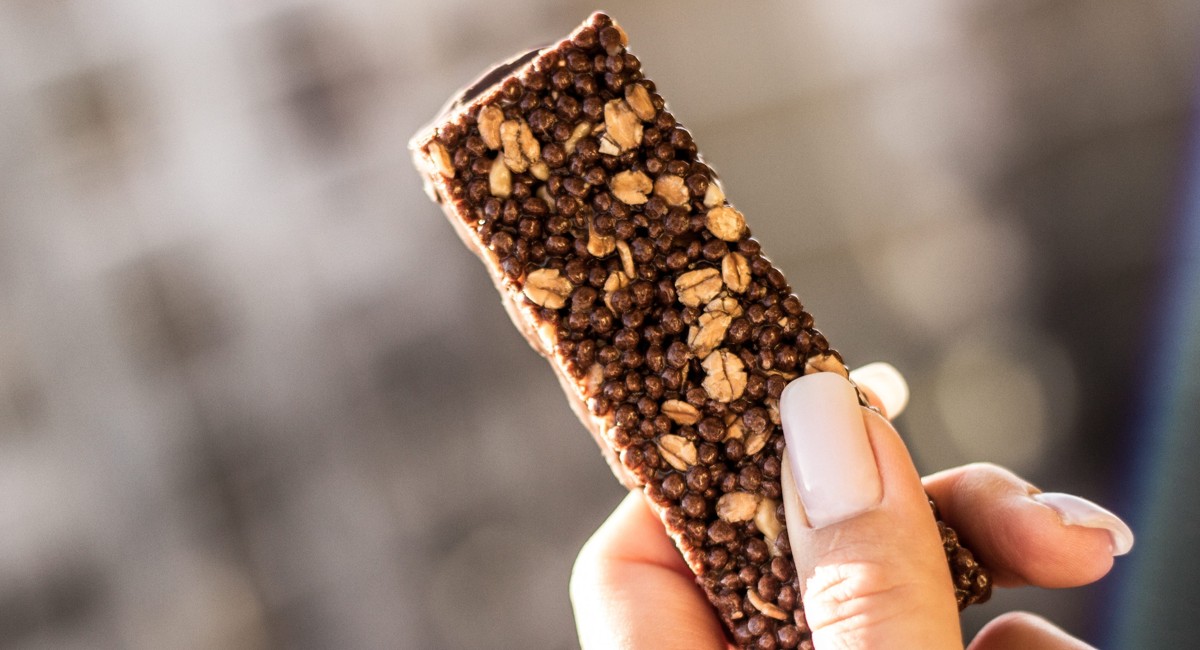
Xylitol is a sugar substitute used in many products sold as sugar-free, low-sugar or keto-friendly. It is especially common in chewing gum and mints, but it can also turn up in jam, desserts, yogurt, protein bars, toothpaste, mouthwash and some medicines.
New research presented at the European Society of Cardiology Congress 2026 has put the sweetener under closer scrutiny. Researchers studying 17,710 people found that those with higher levels of xylitol in their blood were more likely to suffer a heart attack, stroke or cardiovascular death during follow-up.
The findings do not establish that a specific food containing xylitol will cause cardiovascular disease. They do give consumers a good reason to check how many products containing the sweetener they use regularly, particularly when xylitol appears in several foods or snacks eaten during the same day.
Which Products Can Contain Xylitol?

Xylitol appears in a much wider range of products than many shoppers realize. The amount differs from one brand to another, and products within the same category can use completely different sweeteners.
Products that can contain xylitol include:
- sugar-free chewing gum
- breath mints
- sugar-free hard candy
- gummies and other sugar-free sweets
- sugar-free chocolate
- jams and preserves
- jellies
- sugar-free syrups
- some peanut and nut butters
- protein bars
- keto snack bars
- low-carb baked goods
- sugar-free cookies
- ice cream and frozen desserts
- some yogurts
- puddings and dessert mixes
- drink powders
- some low-sugar beverages
- cough drops and throat lozenges
- some cough syrups
- toothpaste
- mouthwash
- dry-mouth sprays, gels and lozenges
- other dental-care products
A “sugar-free” label does not automatically mean the product contains xylitol. Manufacturers also use erythritol, sorbitol, maltitol, stevia, sucralose, aspartame and other sweeteners. The ingredient list is the easiest way to tell which one is actually being used.
Chewing Gum Is One of the Most Familiar Sources
View this post on Instagram
Xylitol has been used in sugar-free chewing gum for years. It provides sweetness without ordinary sugar and has also been promoted in dental products because oral bacteria do not process xylitol in the same way they process sugar.
A single piece of gum is also very different from a diet built around multiple xylitol-sweetened products. Someone may chew sugar-free gum during the day, eat a protein bar containing xylitol, use sugar-free jam at breakfast and have a low-carb dessert later without realizing the same sweetener appears in all four products.
That type of repeated exposure is one reason the new findings have attracted attention.
Xylitol Can Also Be Used in Jam, Ice Cream and Yogurt
Food products can contain much more xylitol per serving than a small piece of chewing gum.
The Guardian noted that the sweetener is used in products including chewing gum, jam, yogurt, ice cream and toothpaste.
Jams, syrups and desserts are worth checking closely because xylitol can be used as a major replacement for sugar rather than as a minor ingredient.
Low-carb and keto products deserve the same attention. Xylitol is one of several sugar alcohols manufacturers use to reduce the amount of conventional sugar in bars, chocolates, baked goods and frozen desserts.
What Did the New Study Find?
The new research included 17,710 participants from two large long-term studies in Canada and the United Kingdom.
Researchers measured xylitol levels in the participants’ blood and compared those levels with later cardiovascular events.
In the Canadian group, people with xylitol levels in the highest quarter had a 57% higher risk of a major cardiovascular event during six years of follow-up compared with people in the lowest quarter.
In the British group, participants with the highest levels had an 18% higher risk during a much longer follow-up period that extended to 30 years.
The cardiovascular events tracked in the research included:
- heart attack
- stroke
- cardiovascular death
The results were presented at the European Society of Cardiology Congress 2026.
Higher Xylitol Levels Were Linked to Higher Risk
The researchers saw a pattern across different blood concentrations rather than a result limited to a small group at the extreme end.
Cardiovascular risk increased as blood xylitol levels increased. The association remained after researchers accounted for several well-established risk factors, including age, sex, smoking, body mass index, diabetes, high blood pressure and blood lipid levels.
That does not turn an observational study into proof of cause and effect, but it makes the association worth investigating further.
Researchers Are Looking Closely at Blood Clotting
The cardiovascular concern is not based only on statistical associations.
Earlier research from Cleveland Clinic found that xylitol could make platelets more reactive. Platelets help the body form blood clots after an injury, but excessive clotting inside an artery can cause a heart attack or ischemic stroke.
The latest study adds long-term population data to those earlier laboratory findings.
Cleveland Clinic has advised consumers to pay closer attention to products containing large amounts of xylitol, particularly processed foods where the sweetener is deliberately added in concentrated quantities.
Xylitol Also Exists Naturally in Small Amounts
Xylitol is not found only in manufactured foods. The human body produces small amounts of it during normal metabolism, and trace quantities occur naturally in some fruits and vegetables.
The amounts added to processed foods can be much higher.
The European Society of Cardiology noted that concentrations used in some manufactured products can be more than 1,000 times higher than the levels naturally present in foods.
That distinction is important. Eating fruit containing trace amounts of xylitol is not comparable with eating a product in which xylitol is one of the main sweeteners.
How to Find Xylitol on the Label?
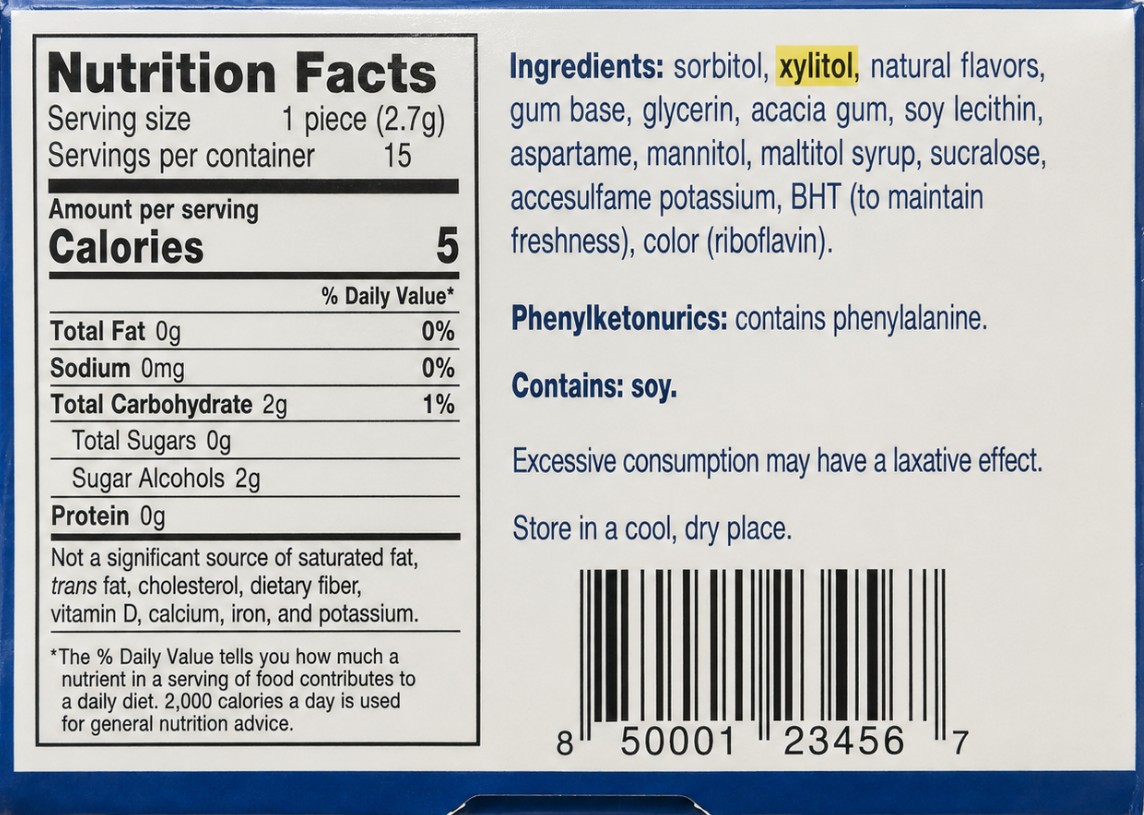
Consumers should look at the ingredient list rather than relying on claims printed on the front of the package.
The word xylitol should appear in the ingredient list when it is used in a packaged food.
The Nutrition Facts panel may also list sugar alcohols, but that figure can combine several different ingredients. A product could contain xylitol together with erythritol or sorbitol, for example.
| Product | Is xylitol sometimes used? |
|---|---|
| Sugar-free chewing gum | Yes |
| Breath mints | Yes |
| Sugar-free candy | Yes |
| Jam and preserves | Yes |
| Ice cream and frozen desserts | Yes |
| Yogurt | Yes |
| Keto and protein bars | Yes |
| Peanut and nut butter | Some products |
| Cough drops and syrups | Some products |
| Toothpaste | Yes |
| Mouthwash | Yes |
Toothpaste Is Not the Same Exposure as Food
Xylitol is also common in oral-care products, but swallowing several grams in food is different from brushing with a toothpaste that is normally spit out.
Toothpaste, mouthwash and dry-mouth products should be used according to their directions. The new cardiovascular research does not show that normal use of xylitol toothpaste creates the same exposure as regularly eating foods sweetened with xylitol.
Should People Stop Using Xylitol?
The research has not established a daily amount of xylitol that causes cardiovascular disease, and there is no new official recommendation telling everyone to eliminate the sweetener completely.
The practical step is to check how much of it is already present in a normal diet.
Someone who occasionally chews sugar-free gum has a different pattern of exposure from someone who regularly eats xylitol-sweetened bars, candy, jam and desserts throughout the day.
Replacing every xylitol product with food containing large amounts of added sugar is also not a good cardiovascular strategy. Excess added sugar has its own established links with obesity, diabetes and heart disease.
NCHStats has previously covered the scale of cardiovascular disease in our U.S. heart disease statistics. Heart disease remains the leading cause of death in the country.
People With Existing Cardiovascular Risk Have More Reason to Pay Attention
The study does not identify a special rule for people with heart disease, diabetes or high blood pressure. Those conditions already increase cardiovascular risk, however, so people who regularly consume large amounts of sugar substitutes may want to discuss the issue with a doctor or registered dietitian.
Major cardiovascular risk factors include:
- high blood pressure
- high LDL cholesterol
- diabetes
- smoking
- obesity
- physical inactivity
- previous heart or vascular disease
Our broader look at how many people die each day in the U.S. also shows the scale of deaths caused by heart disease and stroke.
Xylitol Is Especially Dangerous to Dogs
There is one xylitol risk that is already firmly established.
The FDA warns that xylitol is highly toxic to dogs. Even a relatively small amount can cause a rapid insulin release and a dangerous drop in blood sugar. Larger exposures can lead to liver failure.
Sugar-free gum and candy are common sources of accidental poisoning, but pet owners should also check peanut butter, baked goods, toothpaste and other products that could contain xylitol.
Products containing the sweetener should be kept completely out of a dog’s reach.
What to Check in Your Kitchen?
A quick label check can show whether xylitol is a regular part of your diet.
- Start with sugar-free gum and mints.
- Check sugar-free candy and chocolate.
- Look at keto and protein bars.
- Read labels on jam, jelly and syrup.
- Check low-sugar ice cream and frozen desserts.
- Look at yogurt and pudding products marketed as low in sugar.
- Check specialty peanut and nut butters.
- Look at cough drops and liquid medicines.
- Check toothpaste, mouthwash and dry-mouth products.
The new research is not a reason to panic over one piece of gum. It is a reason to know where xylitol is being used and how many different products containing it have become part of a regular diet.
References
- European Society of Cardiology, Xylitol May Increase the Risk of Cardiovascular Events
- The Guardian, Sweetener Used in Chewing Gum and Jam Linked to Strokes and Heart Attacks
- LiveNOW from FOX, Artificial Sweetener Linked to Higher Cardiovascular Risk
- Cleveland Clinic, Xylitol and Cardiovascular Risk
- FDA, Xylitol Is Dangerous to Dogs