

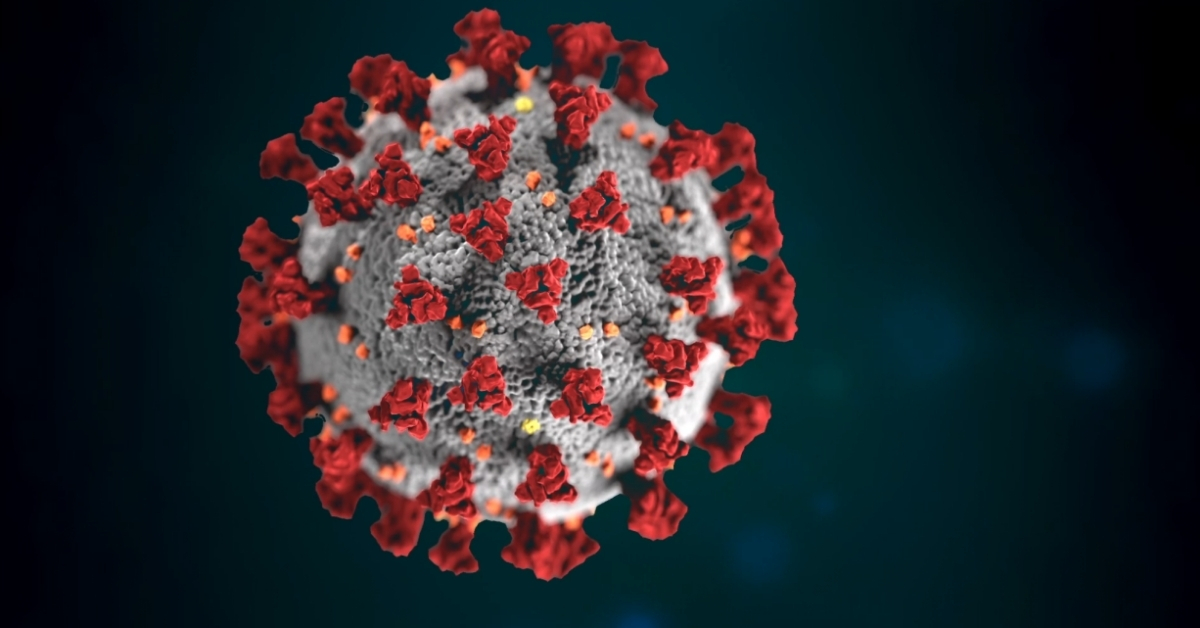
Viruses aren’t static; they’re constantly changing. As the planet gets warmer and more crowded, people are coming into contact with new viruses more often.
On top of that, with how fast we travel these days, it’s easier than ever for viruses to hitch a ride and spread across the globe in no time.
Influenza A: Still the Most Likely Candidate for “Next Pandemic”

Influenza A is the one to watch, not just for seasonal sniffles, but because it has a track record of causing true pandemics. It mutates fast, jumps between species, and can show up in places you wouldn’t expect.
The most recent example? The 2009 H1N1 outbreak, sometimes called “swine flu,” which started in Mexico, spread globally within weeks, and killed over 280,000 people in its first year.
That virus never went away. It simply folded itself into our annual flu season. But lately, our concern has shifted to a different strain: H5N1, the infamous “bird flu.”
First found in humans back in 1997 in southern China, H5N1 has mostly stayed in birds. Until it didn’t.
In 2024, for the first time, the virus was detected in U.S. dairy cows. It didn’t stop there. H5N1 is now entrenched in multiple herds across several states.
The leap from birds to cattle raised alarm bells, especially since mammal-to-human transmission has now been documented. Yes, cows have passed it to people.
That’s not great.
So far, there’s no sign that the virus is spreading efficiently from human to human. But virologists are watching closely, because once that final barrier is crossed, we’re in pandemic territory again.
And no the standard flu shots most of us get each fall probably won’t protect us from H5N1. Researchers are racing to develop targeted vaccines, but as of now, we’re in a high-stakes waiting game.
Mpox (former Monkeypox): Out of the Spotlight, But Far From Gone
Back in 2022, mpox (previously known as monkeypox) exploded into the public consciousness seemingly out of nowhere.
The virus, which had largely been confined to parts of sub-Saharan Africa for decades, suddenly showed up in over 100 countries. Most people had never even heard of it before.
Mpox causes a painful, blistering rash and flu-like symptoms. It’s part of the same viral family as smallpox, which gives you some sense of how serious it can be.
Fortunately, many of the 2022 cases involved a milder strain, known as Clade II. It spread largely through close physical contact, often during sex which allowed public health officials to curb its reach, at least temporarily.
But here’s the catch: viruses don’t retreat just because we stop paying attention.
Since 2024, countries in Central Africa have reported rising cases of Clade I, the more severe version of mpox.
And disturbingly, the U.S. has now reported four Clade I cases, in people who hadn’t traveled abroad. That suggests the virus may now be spreading quietly in ways we haven’t fully traced.
The mpox vaccine still exists, but global supplies remain limited. And unlike with COVID-19 or the flu, we don’t currently have effective treatments. So if mpox decides to take off again in a new population or with a more contagious mutation, we’ll need to move fast.
Oropouche Virus: The Tropical Infection Creeping North
View this post on Instagram
Here’s one you’ve probably never heard of: Oropouche virus.
It doesn’t get much media coverage. It doesn’t make waves. But it’s slowly spreading and could become a much bigger problem than we’re prepared for.
Oropouche is carried by mosquitoes and biting midges, those tiny, almost invisible insects known as “no-see-ums.” First identified in the 1950s off the coast of South America, the virus causes a short-lived but nasty illness: fever, headaches, muscle pain, and in some cases, lingering weakness that can last for weeks.
Most infections have historically been clustered around the Amazon. But over the last couple of decades, that’s changed. We’re now seeing cases across South and Central America, as well as the Caribbean, often in places where no one expected it to show up.
Even more concerning: travelers returning to the U.S. have brought the virus with them. And here’s the kicker: the tiny bugs that carry Oropouche? They’re found throughout much of North America, including the southeastern U.S.
There are no vaccines or treatments for Oropouche. It hasn’t caused large outbreaks here, yet. But all the ingredients are present. And in a warming world with longer mosquito seasons, the line between tropical disease and domestic threat is getting blurrier every year.
Other Quiet Threats Worth Mentioning
Not every virus on the radar is brand new, but some are making unexpected comebacks.
We also can’t ignore the unknowns. As humans continue to disrupt natural habitats, encroach on wildlife, and hop continents with ease, new viruses are almost certain to emerge.
The next big threat might not be on our radar yet, but that doesn’t mean it’s not already brewing.
The Takeaway: Vigilance Is Not Paranoia

If all of this sounds grim, that’s not the point. The truth is, we’re better equipped than ever before to detect, track, and fight viral threats.
We have genomic surveillance, global networks of scientists, rapid vaccine development platforms, and public health systems that, while far from perfect, can still respond quickly when given the right resources.
But awareness matters. Staying informed isn’t fear-mongering; it’s preparedness.
Viruses don’t announce themselves with flashing lights. They creep in quietly, hitching rides on the backs of birds, cows, mosquitoes, or human travelers.
The goal isn’t to panic. It’s to pay attention. Because the sooner we notice them, the sooner we can stop them.