

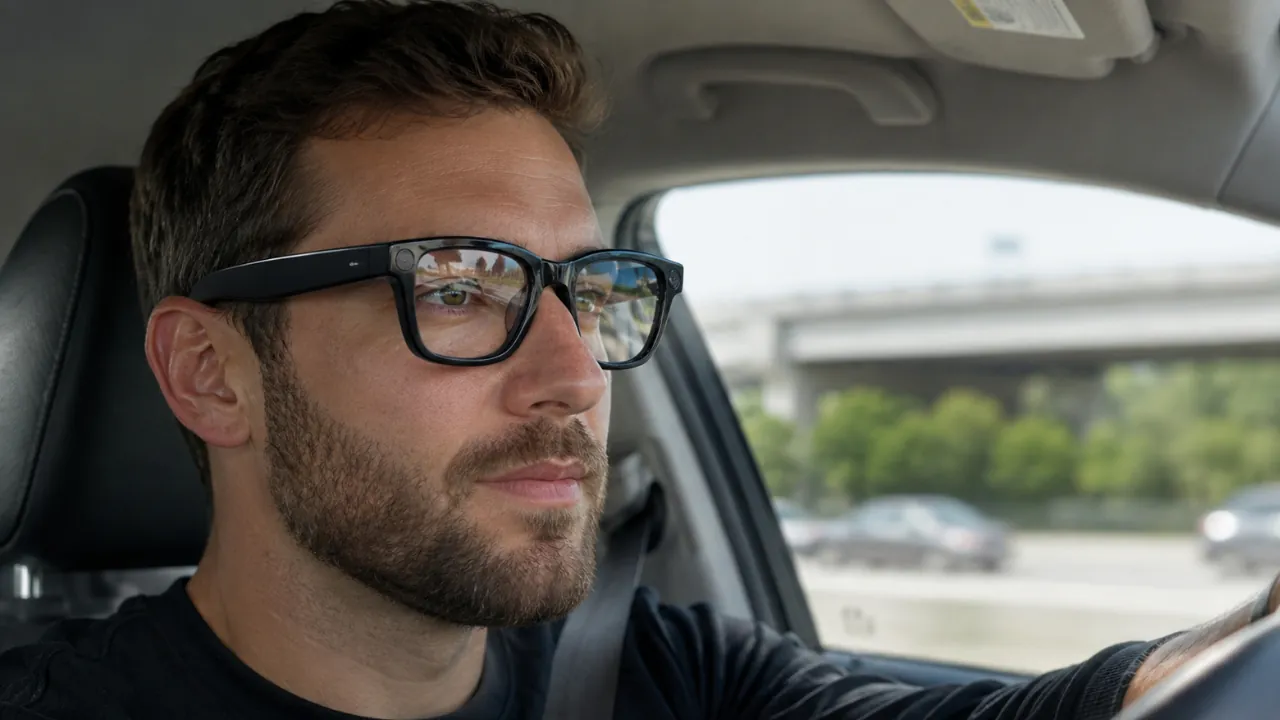
Smart glasses can offer navigation, phone calls, notifications, AI assistance, recording features, and other connected functions without requiring a user to hold a smartphone.
Some models also include built-in displays that place directions, messages, transcripts, or other information directly within a wearer’s field of view.
Growing use of smart eyewear behind the wheel has raised safety concerns.
Hands-free operation can reduce manual interaction with a device, but visual and cognitive distraction can still affect a driver’s ability to react to traffic conditions.
Lawmakers are beginning to address AI-powered eyewear more directly.
Illinois legislation shows how smart glasses could be subject to specific distracted-driving restrictions rather than being addressed solely by older rules written mainly for smartphones and similar devices.
Are Smart Glasses Legal While Driving?
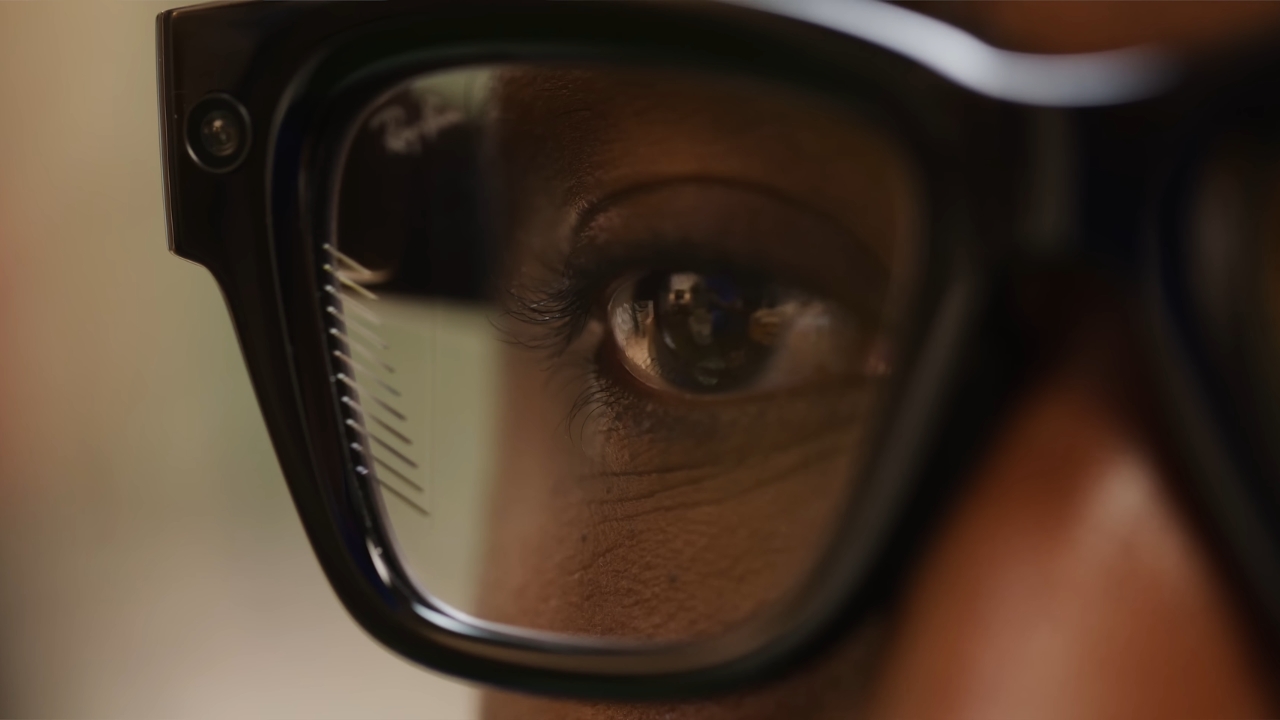
Many U.S. distracted-driving laws were originally written around smartphones, tablets, and handheld electronic devices.
Smart glasses do not always fit neatly into those definitions, creating uncertainty in states without rules that specifically mention wearable technology.
Three broad types of smart glasses can present different legal and safety issues:
- Display or AR glasses: Digital information such as directions, messages, or notifications can appear directly in a driver’s field of view.
- Camera-and-audio glasses: Recording, calling, voice-assistant, and listening functions may operate without a visual screen.
- Audio-only glasses: Open-ear audio can work more like a Bluetooth headset, with no visual information placed in front of the wearer.
Legal risk can vary among these categories.
Display-equipped models can create greater concerns because text, navigation instructions, notifications, and other visual information may compete directly with road conditions for attention.
Lack of a specific smart-glasses prohibition does not automatically make every type of use legal. Distracted-driving rules may still apply when operation of a wearable device interferes with safe control of a vehicle or diverts attention away from traffic.
If distracted use of smart glasses contributes to a collision, legal concerns can extend past a traffic citation.
Questions involving fault, insurance claims, injuries, and compensation may also arise after a crash, and firms such as Young Reverman & Bolotin handle car accident cases involving these types of liability issues.
Local requirements can also differ considerably. Drivers who use smart eyewear should check state and municipal rules before activating connected features on public roads.
Illinois Moves to Restrict Smart Glasses
AI glasses shouldn’t become the next excuse for taking your attention off the road. Illinois moves to become first state to ban AI smart glasses behind the wheel. Eyes up, smart glasses down. 🚗👀 pic.twitter.com/5B2nRFv9Pf
— Secretary Alexi Giannoulias (@ILSecOfState) June 16, 2026
Illinois HB 4843 adds AI smart glasses to Illinois’ definition of electronic communication devices, placing this type of eyewear within distracted-driving restrictions.
Penalties increase with repeated offenses. A first violation carries a $75 penalty, a second carries a $100 penalty, and a third or later offense carries a $125 penalty. Illinois’ approach reaches more broadly than rules focused only on wearable displays. Devices without visual screens may still fall within the restriction if they meet the applicable smart-glasses definition. Such legislation signals a change in how regulators may treat connected eyewear. Lawmakers can now write provisions aimed specifically at wearable AI devices instead of relying only on cellphone rules. Eyes can still point toward traffic while mental attention shifts toward a conversation, notification, or AI interaction. Visual displays create an additional concern because text and graphics can occupy the same general viewing area used to monitor: Safety recommendations for smart-glasses users advise against reading, scrolling, troubleshooting, or messaging while driving. Configuring device features while a vehicle is moving can create additional distraction. NHTSA guidance commonly cited in driver-distraction discussions recommends keeping individual glances away from the roadway below two seconds. Even a short secondary task can therefore consume a meaningful amount of attention during quickly changing traffic conditions. Voice interaction also carries risk. Dictating a message, listening to a lengthy response, or working through a complicated AI request can require mental processing that would otherwise be directed toward driving. Smart glasses are becoming more common in everyday life, including behind the wheel. Features such as voice assistants, navigation, calls, recording, and built-in displays can make driving feel more connected, but they can also create new safety and legal concerns. As states begin addressing wearable technology more directly, drivers may face stricter rules on how and when these devices can be used on the road. Display-equipped and augmented-reality glasses raise the strongest visual-distraction concerns. Directions, messages, notifications, transcripts, and other information can appear directly in front of a driver’s eyes. Positioning information inside a driver’s field of view does not automatically make it safe. Attention can shift toward digital text or graphics even while road objects stay physically visible. Camera-and-audio models do not necessarily place digital information in front of a user’s eyes. Reduced visual interference can lower one type of distraction, but other concerns still exist. Recording functions may create privacy or legal issues depending on local rules and how recording is used. Voice calls, AI conversations, and audio notifications can also pull cognitive attention away from traffic. Audio-only smart glasses generally create less visual distraction because no screen sits in front of the wearer’s eyes. Operation can resemble an open-ear Bluetooth headset, allowing navigation instructions, calls, or audio responses without requiring a visual display. Lower visual distraction does not mean zero risk. Phone conversations, voice commands, AI interactions, and complicated audio prompts can still create cognitive distraction. Checking applicable state and local laws should come before using smart glasses behind the wheel. Rules can vary by location, and crossing a state line may place a driver under different distracted-driving requirements. Preparation before moving can reduce the need to interact with smart glasses on the road. Reading messages, checking transcripts, changing settings, troubleshooting connections, or interacting with visual menus should be avoided while a vehicle is moving. AI functions such as translation can also require significant attention and are better used after parking. Audio navigation prompts can offer a lower-distraction option compared with reading directions on a wearable display. Simple spoken instructions allow a driver to keep visual attention focused on traffic rather than digital information. Pulling over and parking in a safe location is the better choice when a task requires reading, typing, troubleshooting, detailed AI interaction, or extended attention. Smart glasses can reduce dependence on a handheld phone, but removing a phone from a driver’s hand does not remove every distraction. Visual displays, notifications, conversations, AI responses, and device controls can still compete with safe driving. Illinois HB 4843 shows that lawmakers are beginning to treat AI eyewear as its own distracted-driving concern. Smart glasses can now be addressed directly rather than relying only on laws created around conventional mobile devices. Similar restrictions could appear in other states as wearable technology becomes more common.
Why Smart Glasses Can Be Dangerous While Driving
Hands-free technology does not eliminate distraction. Driver distraction can involve visual attention, manual activity, cognitive attention, or several factors at once.
Are Some Smart Glasses Safer Than Others?
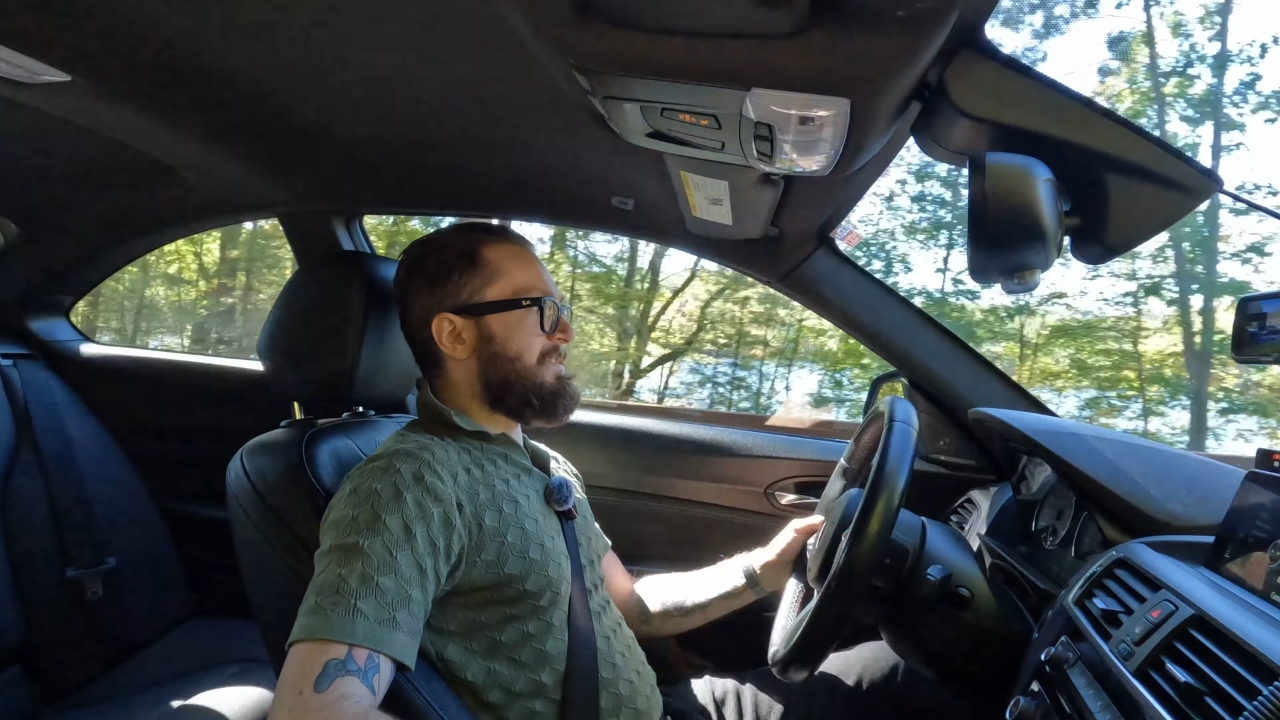
Display and AR Glasses
Camera and Audio Glasses
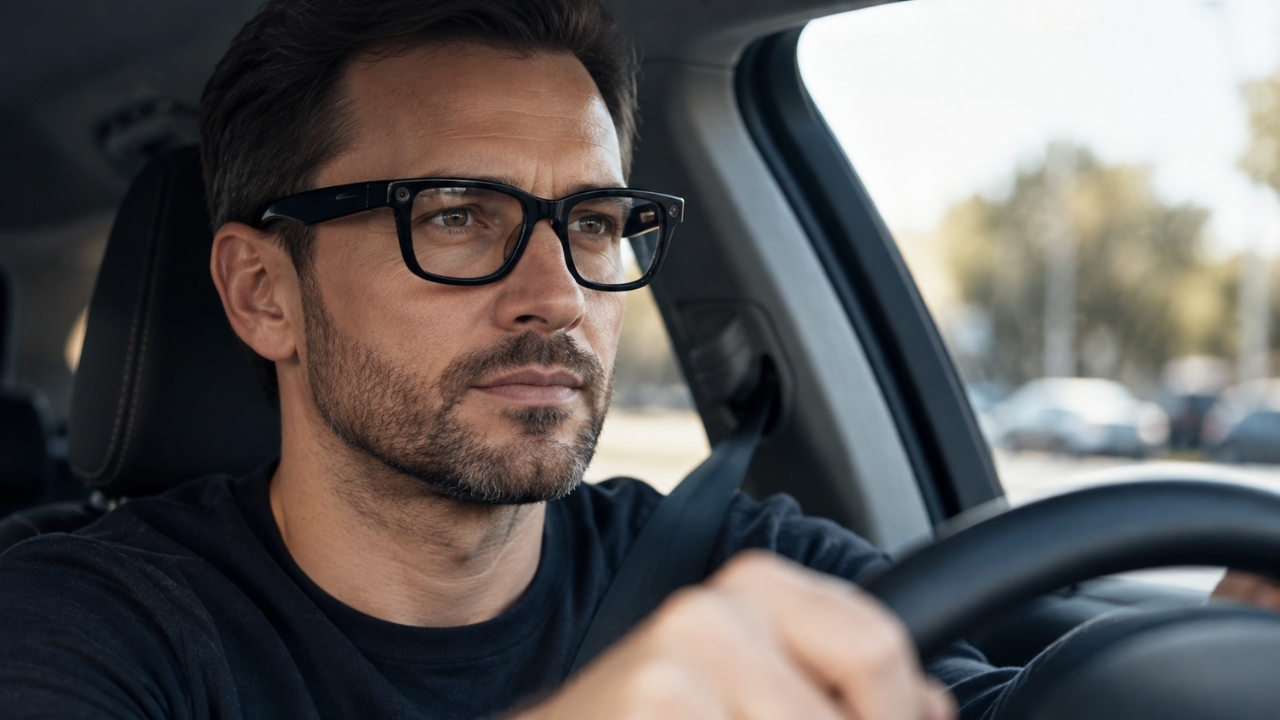
Audio-Only Glasses
What Drivers Should Do
Summary