

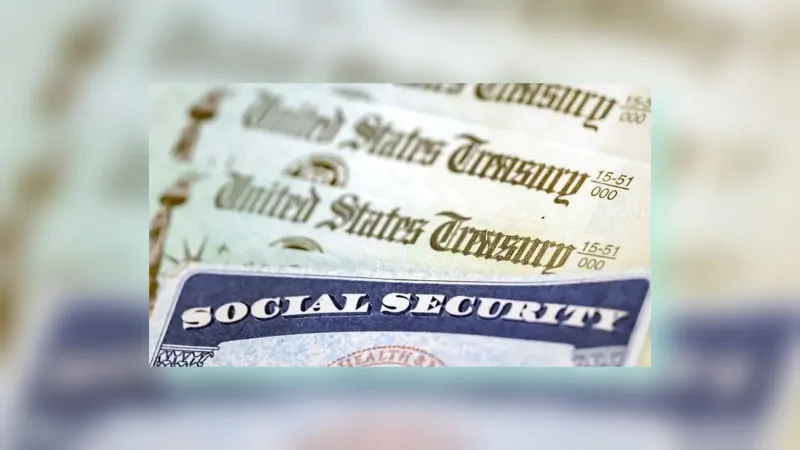
The Social Security Administration plans to cut in-person field office visits to roughly 15 million in fiscal year 2026, down from more than 31 million visits in the most recent year, representing one of the largest structural service changes in the agency’s modern history.
This is not a projection based on declining demand. It is an explicit operational target embedded in SSA planning documents and budget strategy, driven by staffing constraints, technology expansion, and a deliberate effort to push beneficiaries away from walk-in service and toward remote channels.
The Scale of the Planned Reduction
The magnitude of the shift becomes clear when placed in historical context. SSA field offices have long functioned as the backbone of customer service, especially for retirement claims, disability determinations, appeals, Social Security number issues, and identity verification.
Cutting visits by roughly half in a single planning cycle is unprecedented outside of pandemic emergency conditions.
Field Office Visit Volumes: Recent and Planned
Fiscal Year
Estimated Field Office Visits
Change
FY 2023–2024
~31–32 million
Baseline
FY 2026 (target)
~15 million
−50%
These figures come from internal SSA planning targets reported by federal IT and government oversight outlets that reviewed agency documents and briefings.
The reduction is framed internally as a service “optimization” rather than a service cut, but the numerical impact is the same: far fewer people are expected to be served face-to-face.
Why SSA Is Pushing Visits Down
SSA leadership has cited three primary drivers: staffing levels, cost control, and channel migration. None of these is speculative. All are documented pressures the agency has faced for more than a decade.
Staffing Levels and Workforce Pressure
SSA staffing has steadily declined since the early 2010s, even as the beneficiary population has grown. The agency today serves more than 70 million Americans, including retirees, survivors, and people with disabilities, with a workforce significantly smaller than it had when the baby boomer retirement wave began.
Field offices are particularly affected because they require experienced staff capable of handling complex cases in person. Reassignments toward phone service centers and attrition through retirements have reduced the number of employees available to staff walk-in counters.
Lawmakers reviewing the plan have explicitly linked the visit reduction target to staffing shortfalls rather than to reduced public need.
Budget and Cost Structure
🗓️FISCAL NEW YEAR: It is now officially Fiscal Year (FY) 2026 – and the government is now shut down for the first time since 2019.
➡️We have a number of resources that help explain everything you need to know about appropriations, shutdowns, and what comes next.
A 🧵 ⤵️ pic.twitter.com/lsAIE1ZRY8
— CRFB.org (@BudgetHawks) October 1, 2025
In-person service is expensive. Field offices require leased space, security, front-desk staffing, and specialized personnel. SSA budget documents for FY 2026 emphasize efficiency gains through technology and automation rather than expansion of physical service capacity.
While the budget does not explicitly state “cut visits by half,” the operational targets align with the broader fiscal strategy of lowering per-transaction costs by moving interactions online or to centralized phone systems.
Digital and Remote Service Expansion
SSA has invested heavily in online accounts, electronic claims filing, digital identity verification, and remote document submission. The agency’s position is that many transactions historically handled in person can now be completed without visiting an office.
The visit reduction target assumes continued growth in the use of these tools, especially among retirement claimants and younger disability applicants.
How SSA Intends to Achieve the Reduction

The agency has not announced mass field office closures tied directly to the 15-million target, but the operational mechanics strongly suggest fewer walk-in opportunities and stricter appointment controls.
Service Channel Emphasis
Service Channel
Direction of Change
Walk-in visits
Strongly reduced
Scheduled in-person appointments
Limited and prioritized
Phone service
Expanded
Online self-service
Primary growth channel
Reports indicate that SSA intends to manage demand rather than simply respond to it. This means encouraging or redirecting beneficiaries to phone and online options first, reserving in-person appointments for cases deemed complex or unsuitable for remote handling.
Appointment Scheduling Targets
One operational detail that has drawn attention is SSA’s stated goal to schedule requested appointments within 30 days.
While this sounds service-oriented, critics note that limiting the number of available appointment slots is a direct mechanism for suppressing in-person visit totals. If fewer appointments are offered, total visits fall regardless of demand.
Congressional and Public Reaction
View this post on Instagram
The planned reduction has triggered unusually sharp responses from lawmakers across multiple committees with oversight responsibility for Social Security. Senators have formally requested explanations of how access will be preserved for populations that rely heavily on in-person assistance.
As more Social Security interactions move online and fewer people can resolve sensitive issues face-to-face, the risk tied to Social Security number exposure becomes harder to ignore.
When beneficiaries are forced to rely on digital channels, phone calls, mailed documents, or third-party assistance, the number of touchpoints where personal data can be mishandled or intercepted increases.
If you want a clear, concrete explanation of what actually happens when a Social Security number ends up in the wrong hands and why the consequences often extend far beyond a single incident, check here.
Key Concerns Raised by Lawmakers
Issue
Explanation
Digital divide
Older adults and low-income households have lower internet access
Disability claims
Many require document review and nuanced explanations
Rural access
Fewer offices already exist in rural regions
Language barriers
In-person interpretation often works better than phone support
Several senators have argued that the visit reduction target appears to be set first, with service design adjusted afterward, rather than the other way around. They warn that this reverses the principle that service delivery should follow public need.
Who Is Most Likely to Be Affected
The impact of fewer field office visits will not be evenly distributed. Data on SSA service usage shows that certain populations rely on in-person assistance at far higher rates than others.
Populations Most Dependent on Field Offices
Group
Reason for Higher In-Person Use
Older beneficiaries
Limited digital literacy, complex benefit questions
Disability applicants
Medical evidence handling, appeals
Non-English speakers
Interpretation and document clarification
Unbanked individuals
Identity and payment setup issues
For these groups, a reduction in available in-person capacity does not simply mean inconvenience. It can result in delayed claims, incomplete applications, or reliance on intermediaries such as legal aid or advocacy groups.
Not a Pandemic Artifact
It is important to separate this plan from pandemic-era service disruptions. During COVID-19, SSA field offices were temporarily closed or severely restricted, leading to a forced drop in visits.
The 2026 target is different. It is a deliberate, forward-looking operational goal set during normal conditions, not an emergency response.
Before the pandemic, SSA field offices routinely handled tens of millions of visits annually. Returning only halfway to that level signals a structural shift rather than a temporary adjustment.
What the 15 Million Target Signals Long Term
@backwardshatbarrister Effective immediately, in order to do business at a Social Security field office you will need to have an appointment. SSA will no longer be giving walk-in appointments. This is a nationwide change. #s#ssad#disabilitys#ssi#d#disabilitybenefitsS#Socialsecuritydisabilitys#ssdid#disabilitylawyers#socialsecurity ♬ original sound – Michael Liner
The visit reduction target should be understood as a signal of how SSA sees its future role. The agency appears to be moving toward a model where in-person service is exceptional rather than routine, reserved for cases that cannot be resolved through standardized remote processes.
Whether this improves efficiency without harming access remains unresolved. What is clear is that the shift places greater responsibility on beneficiaries to navigate digital systems successfully, and on SSA to ensure those systems actually work for the full range of users they serve.
Bottom Line
SSA’s plan to reduce field office visits from over 31 million to roughly 15 million by 2026 is real, intentional, and already shaping operational decisions. It reflects staffing constraints, budget priorities, and a strategic push toward remote service delivery rather than a sudden drop in public demand.
The controversy surrounding the plan stems from a basic tension: Social Security serves one of the most diverse and vulnerable populations in the federal system, and not all of them can easily follow the agency into a predominantly digital future.