
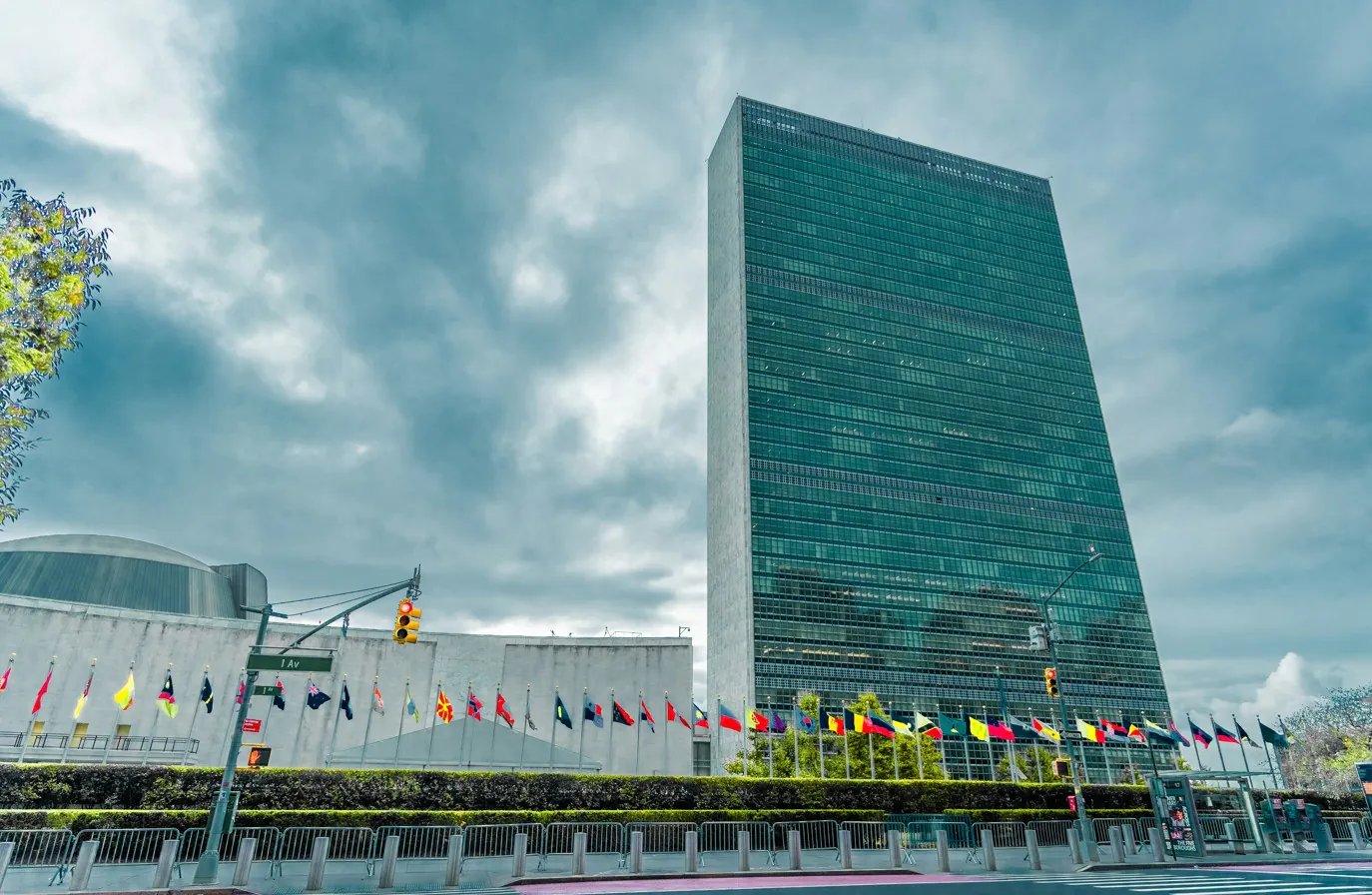
A public dispute between the United States and France broke out at the United Nations after American diplomats walked out as the French ambassador began speaking during a Security Council meeting.
The meeting on July 27 was officially about Russian attacks on Ukraine. The argument had almost nothing to do with Ukraine. It began with a separate vote on the future of United Nations human rights chief Volker Türk, followed by a French social media post that Washington viewed as an insult.
The US France UN Security Council dispute does not amount to a break between the two allies. No diplomatic relations were suspended, and both countries remain permanent members of the council. The walkout was a symbolic protest that exposed a deeper disagreement over immigration, human rights and the role of the United Nations.
Table of Contents
ToggleWhat Happened Inside the Security Council?
The Security Council met to discuss attacks on Ukrainian cities after Kyiv requested an emergency briefing.
When French Ambassador Jérôme Bonnafont received the floor, members of the U.S. delegation stood up and left the room. They returned later in the meeting.
Deputy U.S. Ambassador Dan Negrea then accused France of political grandstanding and disrespectful rhetoric. He said American diplomats would not listen to further French statements until Paris withdrew its criticism.
Bonnafont did not respond with another direct attack. He referred to the historic alliance between France and the United States and defended France’s support for an independent United Nations human rights system.
The Dispute Began With a Vote on Volker Türk
Three days before the walkout, the U.N. General Assembly voted on a second four-year term for Volker Türk, the organization’s High Commissioner for Human Rights.
Türk won another term by 144 votes to 10, with 13 countries abstaining. France voted in favor. The United States voted against, alongside Russia, North Korea and several other governments.
The high commissioner’s job is to investigate abuses, issue public warnings and criticize governments when the U.N. office believes human rights standards are being violated.
Türk has condemned Russia’s invasion of Ukraine and abuses committed by authoritarian governments. He has also criticized Israel’s conduct in Gaza and the Trump administration’s immigration enforcement policies.
Washington argued that Türk had treated democratic countries unfairly and failed to apply equal pressure to some of the world’s most abusive governments. U.S. officials also objected to the way Secretary-General António Guterres handled the nomination process, saying it lacked sufficient public discussion.
France’s Response Turned the Vote Into a Diplomatic Fight
France did not simply disagree with the American vote. Its U.N. mission in Geneva published a sharp post saying the United States had once led the world on human rights but was now isolated beside governments such as Russia, North Korea and Nicaragua.
The message referred to the group of countries that voted against Türk. It did not formally claim that the U.S. political system was the same as those governments. Washington still considered the comparison insulting.
U.S. Ambassador Mike Waltz accused France of defending a U.N. official who lectures democratic allies but is too cautious with authoritarian regimes. France argued that an independent human rights chief must be free to criticize every country, including powerful Western states.
The walkout during the Ukraine meeting was Washington’s answer to the French post.
Why the United States Opposed Türk?
Immigration policy is one of the main causes of the disagreement.
Türk has criticized arrests, detention conditions, racial profiling and a lack of due process during the Trump administration’s expanded immigration enforcement campaign. He has also called for investigations into deaths involving people held in immigration custody.
Our team at NCHStats examined the available figures behind the number of people deported under Trump and the legal questions surrounding the administration’s enforcement policies.
American officials view Türk’s comments as interference in domestic policy and evidence of political bias. France and other European governments argue that domestic jurisdiction does not prevent international officials from raising human rights concerns.
Questions about free speech and criticism of immigration enforcement have also become part of the wider debate.
Why France Supported Him?
France believes the U.N. human rights office must remain independent from the governments it examines. From the French position, criticism of a democratic country does not place that country in the same category as an authoritarian state.
Paris also sees international institutions as an important limit on the power of individual governments. French foreign policy generally places greater weight on multilateral rules, international courts and U.N. oversight than the current U.S. administration does.
The Trump administration takes a more skeptical view. It argues that international bodies can become unaccountable, politically selective and too willing to interfere with national decisions.
Both sides therefore describe their position as a defense of human rights. They disagree over who should judge governments and how much authority an international official should have.
The Ukraine Meeting Was the Stage, Not the Cause
The timing created some confusion because the walkout happened during a Security Council discussion about Ukraine.
France and the United States remain broadly aligned in condemning Russian attacks. The American delegation did not leave because of a French position on the war. It left because the French ambassador was speaking after the earlier human rights argument.
No Security Council resolution was blocked because of the incident. The dispute also did not change Türk’s reappointment because that decision had already been approved by the General Assembly.
Broader Tensions Made the Argument Worse
Relations between President Donald Trump and French President Emmanuel Macron were already strained before the U.N. confrontation.
The two governments have disagreed over NATO spending, Europe’s military independence, possible changes to the American troop presence and Trump’s interest in Greenland.
France has encouraged European countries to become less dependent on U.S. protection. Trump has repeatedly argued that European allies rely too heavily on American money and military power.
The argument over Türk therefore landed inside a relationship that was already under pressure.
The argument will probably lead to more public criticism from both sides, but it is unlikely to damage the alliance in any lasting way. France and the United States still work together on Ukraine, sanctions, counterterrorism and other major issues before the Security Council.
The row still matters because both countries hold permanent seats and can veto council decisions. When they stop working together, it becomes harder to agree on sanctions, peacekeeping missions and responses to wars or other international crises.
At the heart of the dispute is a simple disagreement. Washington opposed another term for a U.N. human rights official who had criticized American immigration and foreign policy. France backed him and then pointed out that the United States had voted alongside several authoritarian governments. U.S. officials saw that comparison as insulting and responded by walking out.
The clash also reveals a wider divide. The United States wants stronger limits on how far U.N. bodies can question national policy. France believes international officials should be free to criticize any government, including close allies.