
Dangerous heat is back in the headlines as parts of Texas and Oklahoma face heat index values near 105 to 110 degrees, a level that can turn ordinary outdoor work, sports and travel into a health risk.
A June 7 report on heat warnings in Texas and Oklahoma said the National Weather Service was warning residents about hot temperatures, high humidity and the risk of heat illness. In the Texas Panhandle, local forecasts also warned that temperatures could climb near 106 degrees in some areas, with severe storms also possible later in the day.
The highest temperature ever recorded in the US is 134 degrees in Death Valley.
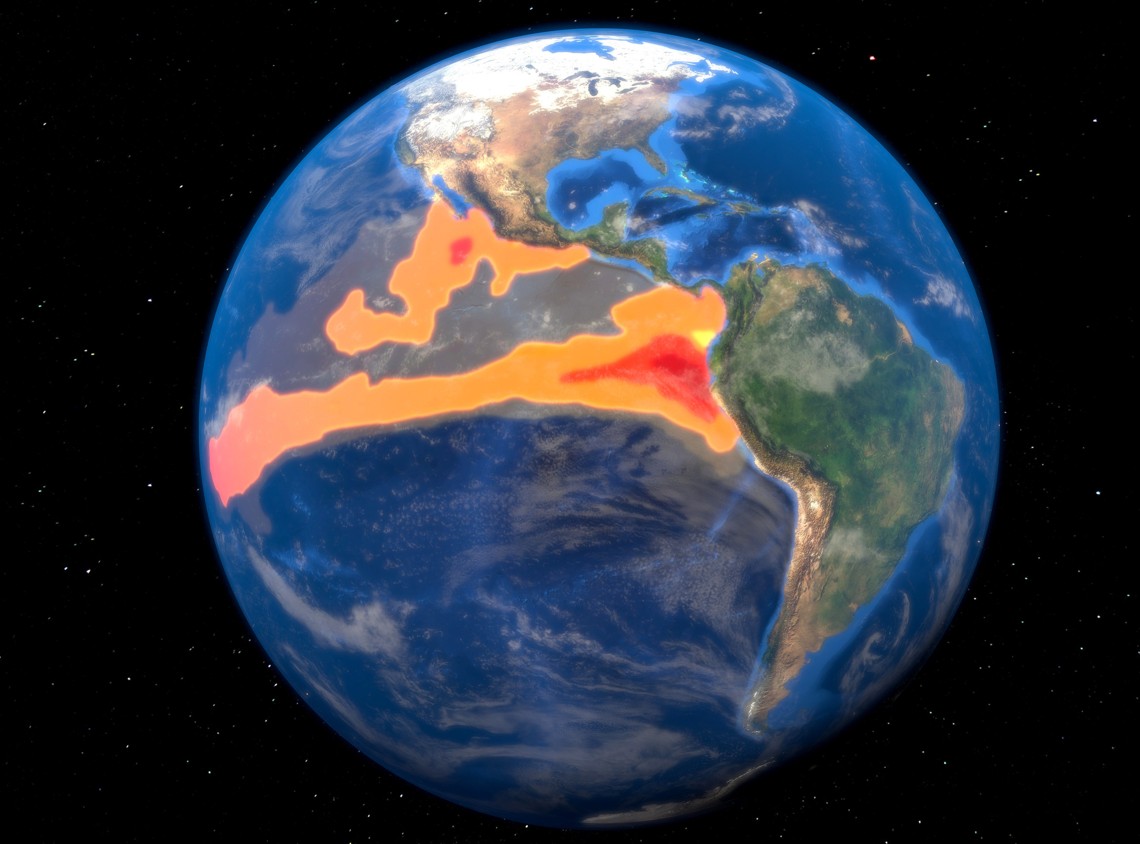
The latest warnings arrive as forecasters watch a developing El Niño.
The NOAA Climate Prediction Center said El Niño was likely to emerge soon, with an 82% chance in June through July 2026 and a 96% chance of continuing through winter 2026 to 2027. El Niño does not guarantee extreme heat in every state, but it can reshape weather patterns, rainfall and storm tracks while a warmer climate raises the background risk of hot extremes.
The Hottest Temperature Ever Recorded In The United States
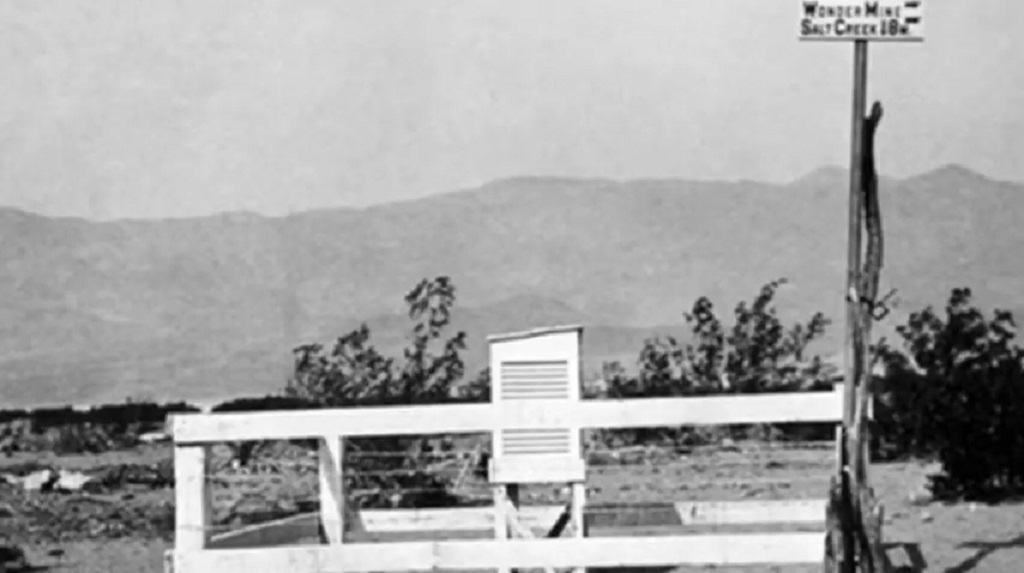
The highest official air temperature recorded in the United States is 134 degrees Fahrenheit at Greenland Ranch in Death Valley, California, on July 10, 1913. That reading also remains the highest official air temperature listed in the world, even though weather historians have debated parts of the old observing record.
Modern heat risk does not need to reach Death Valley levels to become dangerous. The National Weather Service HeatRisk tool says major heat can affect anyone without cooling or hydration, while extreme heat can affect health systems, industries and infrastructure.
All-Time Record High Temperature By State
The record highs below come from NOAA State Climate Extremes Committee records and related official climate archives. Average summer high is the statewide average daytime high for June, July and August using 1991 to 2020 monthly climate data.
| State | All-Time Record High | Where And When It Happened | Average Summer High |
|---|---|---|---|
| Alabama | 112°F | Centreville, September 6, 1925 | 89.8°F |
| Alaska | 100°F | Fort Yukon, June 27, 1915 | 60.0°F |
| Arizona | 128°F | Lake Havasu City, June 29, 1994 | 93.8°F |
| Arkansas | 120°F | Ozark, August 10, 1936 | 89.7°F |
| California | 134°F | Greenland Ranch, Death Valley, July 10, 1913 | 88.6°F |
| Colorado | 115°F | John Martin Dam, July 20, 2019 | 80.9°F |
| Connecticut | 106°F | Danbury, July 15, 1995 | 80.5°F |
| Delaware | 110°F | Millsboro, July 21, 1930 | 85.1°F |
| Florida | 109°F | Monticello, June 30, 1931 | 91.1°F |
| Georgia | 112°F | Near Macon, July 1, 2012 | 89.8°F |
| Hawaii | 100°F | Pahala, April 27, 1931 | 76.2°F |
| Idaho | 119°F | Near Slate Creek, August 10, 2018 | 78.3°F |
| Illinois | 117°F | East St. Louis, July 14, 1954 | 84.4°F |
| Indiana | 116°F | Collegeville, July 14, 1936 | 83.4°F |
| Iowa | 118°F | Keokuk, July 20, 1934 | 82.0°F |
| Kansas | 121°F | Alton and Fredonia, July 1936 | 89.2°F |
| Kentucky | 114°F | Greensburg, July 28, 1930 | 85.8°F |
| Louisiana | 114°F | Plain Dealing, August 10, 1936 | 91.3°F |
| Maine | 105°F | North Bridgton, July 1911 | 75.1°F |
| Maryland | 109°F | Boettcherville, July 3, 1898 | 84.8°F |
| Massachusetts | 107°F | Chester and New Bedford, August 2, 1975 | 79.6°F |
| Michigan | 112°F | Mio and Stanwood, July 13, 1936 | 78.3°F |
| Minnesota | 115°F | Beardsley, July 29, 1917 | 78.0°F |
| Mississippi | 115°F | Holly Springs, July 29, 1930 | 90.5°F |
| Missouri | 118°F | Warsaw, July 14, 1954 | 86.4°F |
| Montana | 117°F | Glendive, July 20, 1893 | 78.1°F |
| Nebraska | 118°F | Minden, July 24, 1936 | 84.7°F |
| Nevada | 125°F | Laughlin, June 29, 1994 | 86.4°F |
| New Hampshire | 107°F | Nashua, July 4, 1911 | 77.0°F |
| New Jersey | 110°F | Runyon, July 10, 1936 | 83.5°F |
| New Mexico | 122°F | Near Carlsbad, June 27, 1994 | 87.6°F |
| New York | 108°F | Troy, July 22, 1926 | 77.7°F |
| North Carolina | 110°F | Rutherfordton, August 9, 2007 | 86.4°F |
| North Dakota | 120°F | Steele, July 6, 1936 | 79.3°F |
| Ohio | 113°F | Gallipolis, July 21, 1934 | 82.4°F |
| Oklahoma | 120°F | Poteau, August 10, 1936 | 91.8°F |
| Oregon | 119°F | Pelton Dam, June 30, 2021 | 78.5°F |
| Pennsylvania | 111°F | Phoenixville, July 1936 | 80.4°F |
| Rhode Island | 104°F | Providence, August 2, 1975 | 79.6°F |
| South Carolina | 113°F | Columbia, June 29, 2012 | 89.7°F |
| South Dakota | 120°F | Fort Pierre, July 15, 2006 | 82.7°F |
| Tennessee | 113°F | Perryville, August 9, 1930 | 86.8°F |
| Texas | 120°F | Monahans, June 28, 1994 | 93.8°F |
| Utah | 117°F | St. George, July 5, 1985 and July 11, 2021 | 85.0°F |
| Vermont | 107°F | Vernon, July 7, 1912 | 76.0°F |
| Virginia | 110°F | Glasgow, July 15, 1954 | 84.5°F |
| Washington | 118°F | Wahluke, July 24, 1928 | 75.8°F |
| West Virginia | 112°F | Martinsburg, July 11, 1936 | 81.8°F |
| Wisconsin | 114°F | Wisconsin Dells, July 13, 1936 | 78.3°F |
| Wyoming | 115°F | Basin, August 8, 1983 | 78.5°F |
Texas And Oklahoma Are Under Watch
The latest heat warning is not actually about hitting record-breaking temperatures. It is about the heat index, which combines temperature and humidity to measure how hot the air feels to the human body.
A 100-degree afternoon in a dry desert carries a completely different health risk than a 100-degree afternoon in heavy humidity. When the air is humid, sweat cannot evaporate efficiently, which prevents your body from cooling itself down. That is exactly why states like Texas and Oklahoma can become dangerous even when the thermometer stays well below all-time records.
The National Weather Service heat-alert guide says local offices issue heat products based on local conditions, because residents in one region may be more prepared for 90-degree weather than residents in another region.
As we covered in our Texas geography guide, the state features incredibly diverse landscapes, stretching from the Panhandle and High Plains to the Gulf Coast and western deserts. This varied terrain explains why a single heatwave can impact Amarillo, Dallas, Houston, Austin, and El Paso in completely different ways.
The States With The Highest Record Highs
California sits alone at the top because of Death Valley. Arizona, Nevada and New Mexico follow because desert terrain, low humidity and powerful summer high-pressure systems can push temperatures far beyond what most states experience.
| Rank | State | Record High | Location |
|---|---|---|---|
| 1 | California | 134°F | Death Valley |
| 2 | Arizona | 128°F | Lake Havasu City |
| 3 | Nevada | 125°F | Laughlin |
| 4 | New Mexico | 122°F | Near Carlsbad |
| 5 | Kansas | 121°F | Alton and Fredonia |
| 6 | Texas, Oklahoma, Arkansas, North Dakota, South Dakota | 120°F | Multiple locations |
Several of the hottest state records come from the Dust Bowl era of the 1930s, when drought, land degradation and brutal heat produced some of the most extreme temperatures in the central United States.
Summer Average Highs Tell A Different Story
Record highs only show the most extreme moments in a state’s history, but average summer highs reflect what residents actually deal with on a daily basis.
For instance, Texas and Arizona both average about 93.8 degrees for statewide summer highs, while Oklahoma averages 91.8, Louisiana 91.3, and Florida 91.1. These states might not always hold the single highest temperature record, but they spend most of the season facing heat that directly disrupts outdoor work, school sports, construction, farming, utility bills, and public health.
That distinction matters. A one-day record is just history, but a relentless summer of 90-degree days shapes household budgets, workplace safety regulations, and hospital workloads.
How El Niño Could Affect The Summer Heat?
El Niño starts in the tropical Pacific, but its effects ripple across global weather systems. In the United States, its actual impact depends entirely on timing, intensity, and how it collides with existing climate patterns.
This past May, NOAA reported that El Niño was likely to emerge soon, though forecasters remained uncertain about its peak strength. While experts can see the pattern building, they are not treating local long-range forecasts as settled facts months in advance.
When it comes to rising temperatures, the smartest approach is a cautious one. El Niño completely reshapes storm tracks and rainfall, while global climate warming continues to raise the odds that heatwaves hit dangerous levels. A developing El Niño does not automatically cause every local heat warning, but it serves as a critical backdrop for the 2026 summer outlook.
How Extreme Heat Can Affects Your Health?

Heat warnings are not just for people who work outdoors. Older adults, infants, people living without air conditioning, unhoused individuals, athletes, and anyone with heart or kidney disease face a significantly higher risk.
The federal Heat.gov portal tracks active heat advisories, watches, and warnings, while the NWS HeatRisk tool provides a rolling seven-day outlook on expected heat-related impacts.
Basic safety steps remain the most effective:
- Drink plenty of water before you actually feel thirsty.
- Shift outdoor work and workouts to the cooler morning or evening hours.
- Spend time in air-conditioned spaces whenever possible.
- Check in regularly on older relatives, neighbors, and those living alone.
- Never leave children or pets inside a parked car.
- Watch closely for dizziness, confusion, heavy sweating, cramps, nausea, or fainting.
- Call emergency services immediately if anyone shows signs of heat stroke.
Bottom Line
The highest temperature ever recorded in the United States is 134 degrees in Death Valley, California. While that number is historic, it is also incredibly rare.
The heat warnings currently hitting Texas and Oklahoma represent a completely different kind of danger. The main threat comes from a heavy, persistent heat that makes everyday outdoor tasks unsafe. When high humidity combines with long hours in the sun and a lack of air conditioning, the body simply cannot cool itself down.
As the summer of 2026 kicks off with an emerging El Niño and forecasts predicting above-normal temperatures across most of the country, the all-time record becomes irrelevant.
The numbers that actually matter right now are your local forecast, the real-feel heat index, and whether people have a safe, cool place to go before the day turns dangerous.
Read Next: Scientists are warning about cold blob in the Atlantic Ocean.