
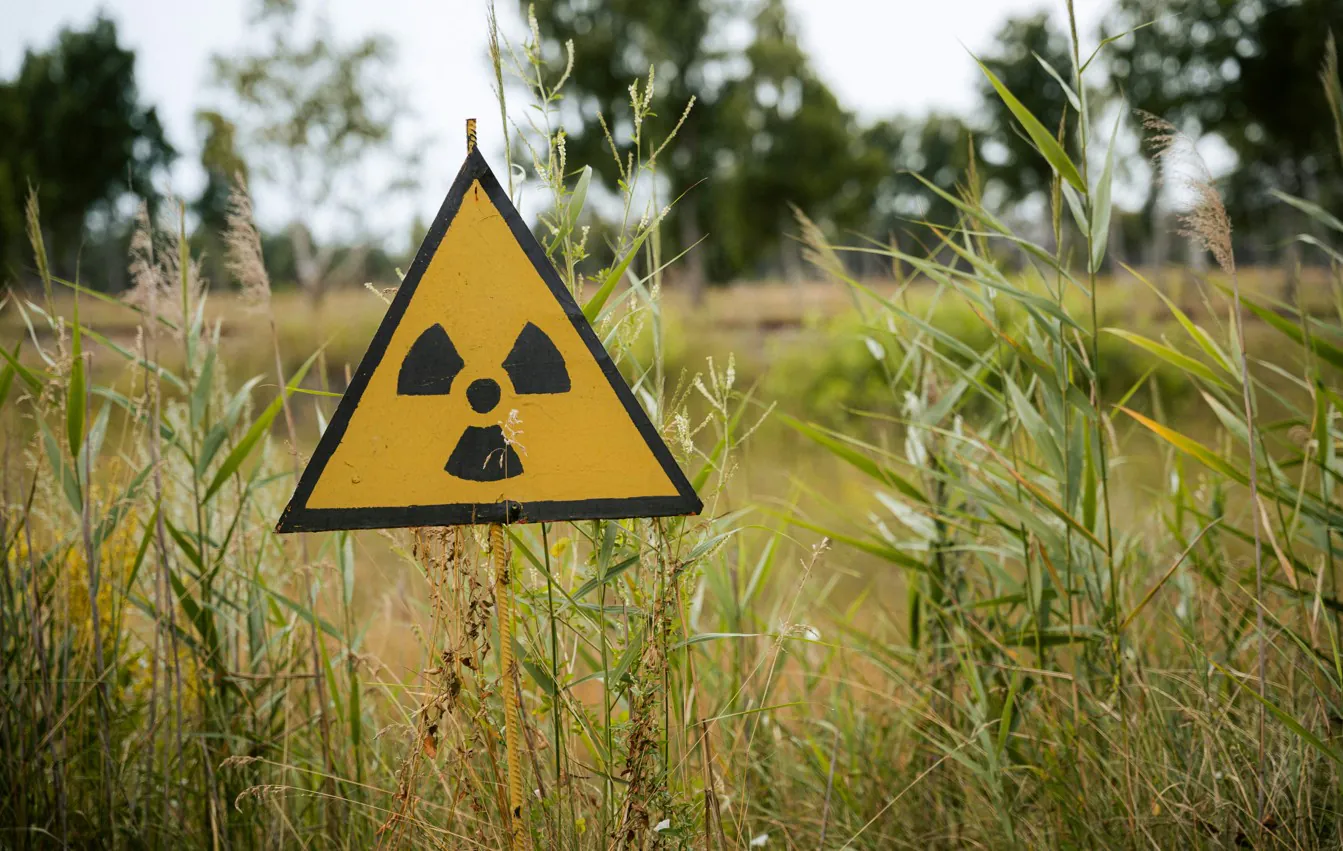
Radioactive material has been found on residential properties in Western New York, prompting federal officials to offer temporary relocation assistance to four families as testing expands across Niagara and Erie counties.
The investigation is concentrated in and around the Town of Niagara, near Niagara Falls. State and federal survey data identified about 120 properties where radiation readings warranted a closer look. The 120-property figure refers to homes and lots selected for follow-up screening, with confirmed concerns limited to a smaller group so far.
New York officials have screened 39 properties after receiving permission from their owners. Six required a more detailed investigation, and the Environmental Protection Agency offered temporary relocation to four families as a precaution, according to information presented at a public meeting in Niagara Falls.
The situation has caused understandable alarm among residents who want to know what was found in their yards, how long it has been there and what years of possible exposure could mean for their health.
Four Families Have Been Offered Temporary Relocation
Four Niagara County families have been granted relocation assistance from the U.S. Environmental Protection Agency due to radioactive material found in their yards, and Gov. Kathy Hochul is urging residents to cooperate with agencies so testing and surveying can continue quickly. pic.twitter.com/JPAyDwuVUB
— Spectrum News 1 BUF (@SPECNews1BUF) July 20, 2026
EPA teams entered properties after homeowners signed access agreements allowing government workers to inspect private land. Governor Kathy Hochul said the agency offered relocation assistance to four families following the initial testing.
Relocation does not automatically mean that residents have suffered a harmful dose of radiation. The offers allow families to leave the affected properties while specialists collect soil samples, identify the material and calculate possible exposure.
Of the 39 properties screened, six were selected for further examination. Officials are still seeking permission to inspect other properties identified through aerial and roadside surveys.
Residents who received an access form are being urged to return it promptly. Environmental workers cannot legally enter a private yard or home without the owner’s permission, which means an unsigned form can delay testing at that address.
New York has more than 20 million residents, but the current investigation is limited to specific locations in the western part of the state. Our separate report on the population of New York and its regional trends provides wider context on where people live across the state.
Investigators Are Looking for the Source
Officials suspect that some of the radioactive material may be connected to industrial slag used as construction fill decades ago. Slag is a glass-like waste product left after metals and other materials are processed. In the past, it was commonly spread under roads, driveways, parking areas and building sites.
Western New York had a large industrial and military manufacturing sector during and after World War II. Some factories handled uranium, thorium and other radioactive materials as part of weapons production and industrial processing.
The EPA has already cleaned several Niagara County locations where radioactive slag was found in soil. Previous work included commercial properties along Niagara Falls Boulevard and an access road near a residential property on Upper Mountain Road.
EPA records say industrial slag containing enhanced concentrations of naturally occurring radioactive elements was used as fill at some properties during the early 1960s. Investigators are now trying to determine whether similar material reached additional residential areas.
Thorium has been mentioned in notices received by some property owners. Thorium occurs naturally in rock and soil, although industrial processing can concentrate it. The health risk depends on the amount present, the type of radiation emitted, the location of the material and the length of exposure.
The Investigation Began Years Before the Current Alarm
The latest property checks are part of the Niagara and Erie County Radiological Assessment, a joint project involving the EPA, the New York State Department of Environmental Conservation and the state Department of Health.
An aircraft equipped with radiation sensors flew more than 15,000 nautical miles over the two counties during the first phase of the project. That work produced more than 500,000 data points.
A second phase placed radiological equipment on a vehicle that traveled about 1,000 miles of selected roads. The roadside survey was designed to identify unusual radiation readings at ground level and compare them with the earlier aerial results.
Natural rock formations, granite curbs and brick structures can all produce higher readings. Industrial waste can produce them as well. Ground teams must visit each location to identify the actual source.
State officials say surveys of public roads have not found an acute health threat. Private yards require separate testing because survey vehicles and aircraft can identify an unusual reading without showing exactly what produced it or how deeply the material is buried.
Residents Are Waiting for Clearer Answers
Property owners have complained that the investigation is moving too slowly and that they received limited information about readings connected to their homes. Some arranged private testing after becoming concerned about possible contamination in places where children played and families spent time outdoors.
At a July 20 public meeting, officials said 39 properties had been screened and six required additional investigation. A full EPA assessment, including sampling and laboratory analysis, may take two to three months, according to Spectrum Local News.
Hochul has called on the EPA to assign more personnel, laboratories and other resources to the project. In a letter to EPA Administrator Lee Zeldin, she said residents should not have to wait months or years to learn about possible risks on their property.
What Affected Property Owners Should Do
Anyone who receives an official testing notice should confirm that it came from the EPA, DEC or another government agency and follow the contact instructions included in the letter.
Property owners should also:
- Sign and return the property access agreement if they want government testing to proceed.
- Keep copies of letters, test results and communication with environmental agencies.
- Ask what part of the property produced the unusual reading.
- Request an explanation of any laboratory result, including the material found and its concentration.
- Follow agency instructions before digging, landscaping or moving soil from an area under investigation.
- Speak with a health professional about personal medical concerns instead of trying to interpret radiation readings alone.
The discovery has now brought statewide attention to the Western New York investigation, but the most important work remains local. Officials still need to inspect more properties, determine where the material came from and decide which yards require cleanup.
For the four families offered relocation, the immediate question is where they can live safely during the investigation. For everyone else who received a letter, the next step is allowing inspectors onto the property so they can replace an alarming survey reading with a clear result.