
Measles is the disease experts are watching closely as World Cup fans move through airports, stadiums, hotels, fan zones and packed bars during the tournament.
A global sports event does not need a rare new virus to create a public health problem. It needs international travel, crowded indoor spaces, low vaccine coverage in certain groups and fans who keep moving even after fever, cough, or stomach symptoms begin.
Reports from CIDRAP and Infection Control Today point in the same direction: measles is the lead concern, followed by other infections that travel well in crowds, including norovirus, flu, COVID-19, RSV, dengue, chikungunya, and sexually transmitted infections.
The question is: what needs to be checked before a match trip, and what symptoms should stop someone from going into a crowd?
Measles Are The Main Concern
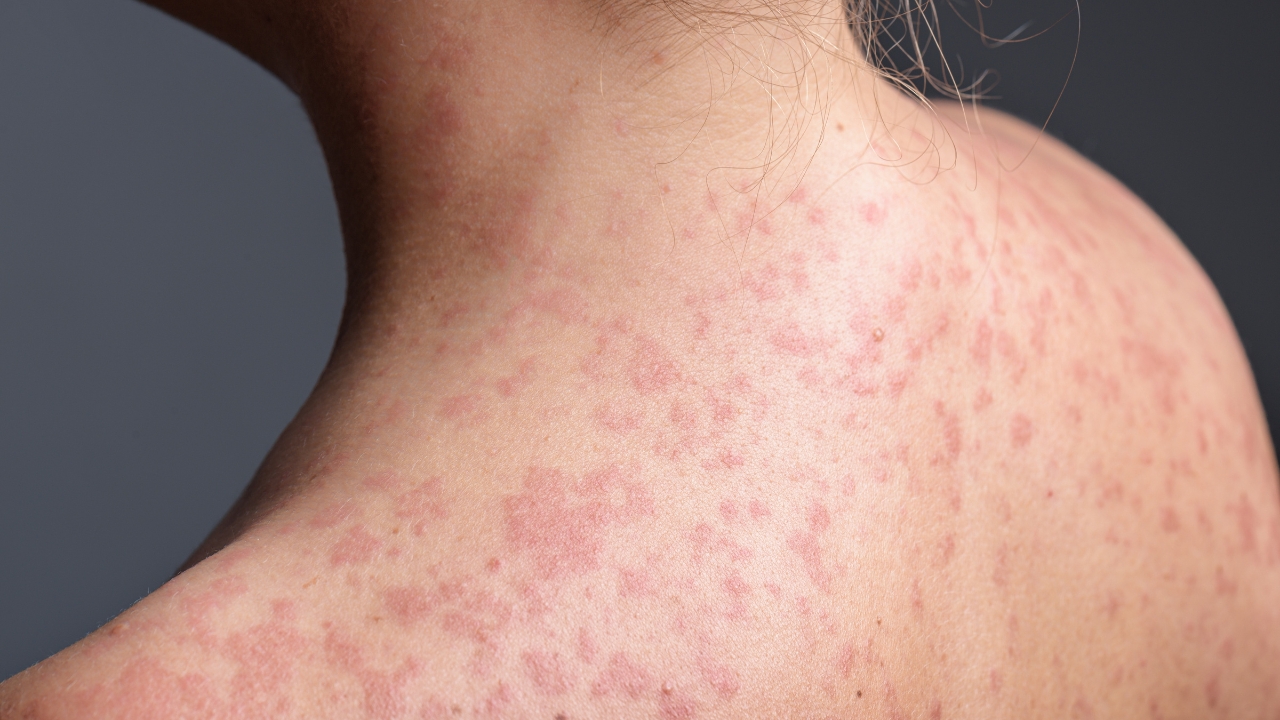
Measles sits at the top of the warning list because it spreads through the air and does not require long personal contact. A person can expose others in a boarding area, hotel lobby, train station, stadium concourse, or indoor watch party before the rash appears.
The CDC measles update reported 2,030 confirmed measles cases in the United States in 2026 as of June 4. Cases had been reported by 40 jurisdictions. The agency also said 93 percent of confirmed cases were linked to outbreaks.
That background changes the risk calculation for the World Cup. Fans are not gathering in one city for one afternoon. They are flying between countries, attending matches, moving through tourist areas, and sharing indoor spaces with people from many regions.
Measles can use that movement quickly when unprotected people are exposed.
NCHStats has already covered how one public exposure can trigger a wide health alert. In our earlier report on the Disneyland measles exposure in Orange County, health officials urged visitors to check their vaccine status and monitor symptoms after an infected child visited several busy locations.
The World Cup creates the same type of risk on a larger travel map.
Travel Vaccine Checks Before The 2026 World Cup

The travel vaccine check that matters most for measles is MMR, the measles, mumps, and rubella vaccine. CDC says people who are not vaccinated, or who do not know their vaccination status, should get vaccinated before international travel.
According to CDC travel vaccine guidance for measles, two MMR doses provide 97 percent protection against measles. One dose provides 93 percent protection. CDC recommends vaccination at least two weeks before international travel for the best protection.
MMR Vaccine Records Before Flights And Matches
Measles can be serious. Cases are up this year in the U.S. and internationally. Make sure you and your family are protected before traveling this holiday season. The decision to vaccinate is a personal one. Individuals should speak to their healthcare provider on the risks and… pic.twitter.com/W2oToklUAm
— CDC (@CDCgov) December 18, 2025
Fans should check written vaccine records before travel, especially adults who were vaccinated years ago and families traveling with children. CDC lists written documentation of vaccination, laboratory evidence of immunity, laboratory confirmation of measles, or birth before 1957 as acceptable evidence of immunity.
A person without clear proof should contact a doctor, clinic, or local health department before the trip. For a tournament trip, that check should happen before flights, hotel stays and match days, not after an exposure notice appears.
Last-Minute Travelers And MMR Guidance
Many World Cup trips come together late because of tickets, work schedules, knockout rounds, and travel prices. CDC says people whose trip is less than two weeks away should still get an MMR dose if they are not protected.
That makes the travel vaccine message useful even for fans already close to departure. A late review is still better than entering crowded travel settings with no known protection.
Families Traveling With Infants
Infants need separate medical advice. CDC says infants 6 through 11 months old who travel internationally should receive an early MMR dose, then continue the routine schedule later. CDC does not recommend the measles vaccine for infants younger than 6 months.
Parents planning flights, hotel stays, and stadium visits with young children should speak with a pediatrician before travel. Babies and young children face a higher risk of measles complications than healthy adults.
How Measles Spreads In Airports, Hotels, And Stadium Crowds?
Measles spreads when an infected person breathes, coughs, or sneezes. The virus can remain in the air after that person leaves, which makes enclosed spaces a bigger concern than open outdoor areas.
World Cup travel adds several exposure points in one trip. A fan may spend time in an airport line, plane cabin, rideshare queue, hotel elevator, restaurant, packed bathroom, stadium entrance, and indoor fan event in a single day.
Public health teams then have to trace people who may not know they stood near an infected person.
Measles symptoms usually begin with fever, cough, runny nose, and watery eyes. A rash appears later, usually three to five days after symptoms begin. CDC says infected people can spread measles from four days before the rash develops through four days after the rash appears.
Symptoms Fans Should Treat As A Stop Sign
Fans should not go to a match, bar, fan zone, or airport while sick with fever and rash. A person with possible measles should call a doctor or health department before going to a clinic, urgent care office, or emergency department.
Calling first helps staff separate the patient from others and reduce new exposures.
Fever with rash after travel, or after contact with a possible measles case, needs medical guidance. Cough, runny nose, and watery eyes before a rash should also be taken seriously when measles exposure is possible.
Travelers should also watch for severe diarrhea, repeated vomiting, breathing trouble, chest pain, high fever, confusion, signs of dehydration, or fever after mosquito exposure. Those symptoms do not all point to measles, but they are serious enough to change travel plans and require medical advice.
Other World Cup Diseases Under Expert Watch
View this post on Instagram
Measles is the headline concern, but it is not the only disease risk around the tournament. CDC has created a Safety for Soccer Fans resource page for the World Cup period, with guidance on hygiene, food safety, traveler health, respiratory illness, vaccine-preventable diseases, sexual health, air quality, and vector-borne diseases.
Norovirus Risk In Hotels, Bars And Shared Bathrooms
Norovirus spreads easily when people share bathrooms, food areas, buses, hotel rooms, and crowded restaurants. Vomiting or diarrhea during a tournament trip should be treated as a reason to stay away from others.
The CDC norovirus prevention page advises handwashing with soap and water, especially before eating and after using the bathroom. Hand sanitizer helps with many germs, but soap and water are a better option for norovirus.
Flu, COVID-19, and RSV In Packed Indoor Spaces
Respiratory viruses can spread in airports, planes, transit systems, bars, and indoor fan events. Flu, COVID-19, and RSV can all create problems for older adults, people with chronic illness, pregnant people, and anyone with a weakened immune system.
Fans with fever, cough, and body aches should avoid crowded settings and consider testing or medical advice based on symptoms and health risk. A mask can reduce exposure in packed indoor spaces, especially during travel days.
Dengue And Chikungunya Risk For International Travelers
Dengue and chikungunya are spread by mosquitoes. The risk depends on travel history, local mosquito activity, and time spent outdoors. Fans arriving from areas with active mosquito-borne disease outbreaks should mention recent travel if fever, rash, severe body aches, or joint pain develop.
CDC advice on dengue prevention focuses on avoiding mosquito bites. Fans can use EPA-registered insect repellent, wear clothing that covers skin, and avoid standing water around lodging when possible.
We previously examined wider infectious disease pressure in our report on viral threats to watch in 2026. World Cup travel puts several of those concerns into a more practical setting: flights, heat, crowds, outdoor exposure, and rapid movement between cities.
Sexually Transmitted Infections During Major Fan Events
Large sporting events also bring more nightlife, alcohol use, and casual sexual contact. Chlamydia, gonorrhea, and other sexually transmitted infections can spread without obvious symptoms, so prevention and testing matter after new exposure.
Fans should use condoms, avoid sex when symptoms are present, and seek testing after new or unprotected contact. Pain during urination, discharge, pelvic pain, testicular pain, sores or unusual bleeding should lead to medical care.
Ebola And Hantavirus Are Being Watched From A Different Risk Level
Some reports mention Ebola and Andes hantavirus because global health officials are monitoring outbreaks and travel-linked infections. For ordinary fans in North America, those risks are much lower than measles, respiratory viruses, norovirus, dengue, and STIs.
The difference matters for readers. Ebola does not spread through stadium air or casual seating contact. It spreads through contact with bodily fluids from a sick person. CDC has said no cases associated with the current Ebola outbreak have been reported in the United States, and the risk to the general public remains low.
For background on why global health agencies still track Ebola closely, our team at NCHStats reported on the Congo Ebola outbreak and the Bundibugyo strain. That type of outbreak requires health-system surveillance, contact tracing, and border health coordination. It is a different category from the infections fans are more likely to encounter during World Cup travel.
Heat Can Make Illness Worse During World Cup Travel
Heat is not an infection, but it can turn a manageable illness into a serious problem. Vomiting, diarrhea, and fever become more dangerous when someone is dehydrated after standing in long outdoor lines or walking between transit, hotels, and stadiums.
Miami, Dallas, Houston, and other warm host areas can create a heavier physical burden for fans during summer matches and outdoor fan events. NCHStats covered that concern in our earlier report on Miami heat risk and World Cup safety.
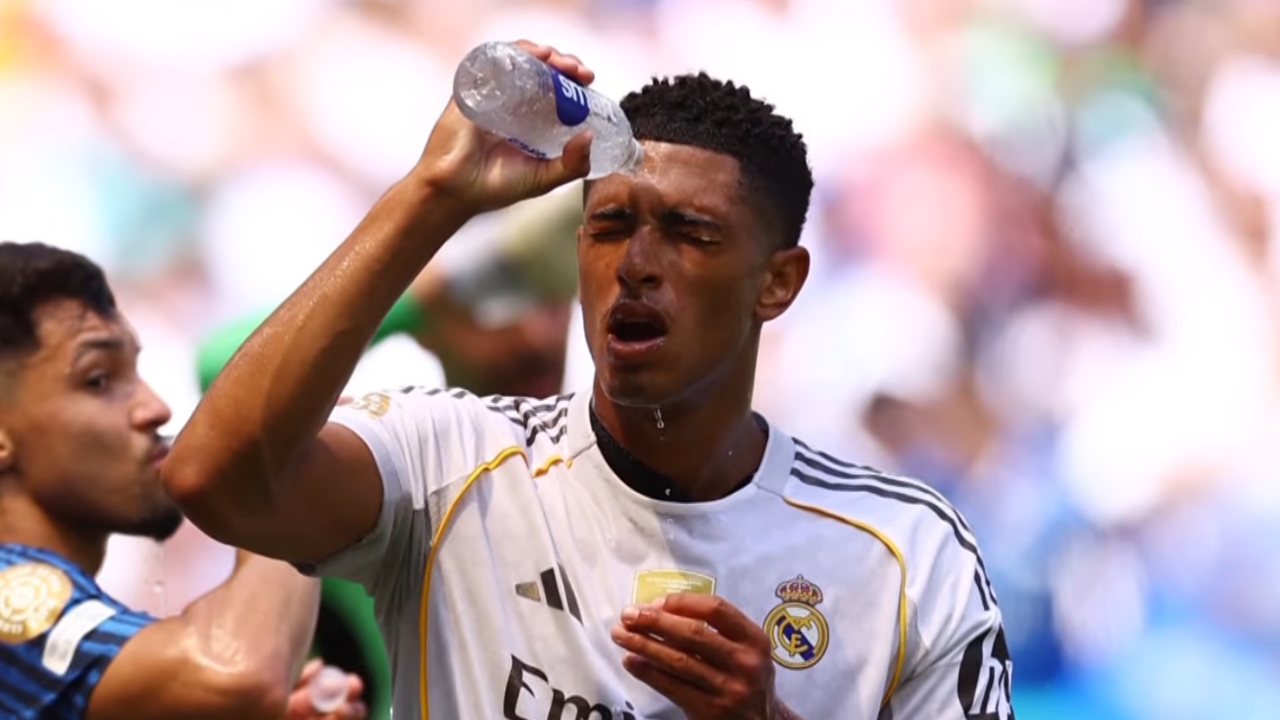
Fans should plan water, shade, rest breaks, and a way to leave crowded areas when symptoms start. Families traveling with children, older adults, and people with chronic illness should take heat planning as seriously as match tickets and transport.
What Fans Should Do Before And During World Cup Travel
Medical help is important after fever with rash, possible measles exposure, severe dehydration, breathing trouble, chest pain, confusion, persistent high fever, severe abdominal pain, or fever after mosquito exposure. Fans should tell medical staff about recent travel, match attendance, known exposures, and vaccine status. The main lesson is practical. Measles is the disease experts are most worried about during the World Cup because it is highly contagious and already active in U.S. outbreaks. The travel vaccine check is the easiest step fans can take before entering a month of flights, crowds, and shared indoor spaces. World Cup planning should include more than tickets and hotels. For 2026 fans, it should also include MMR records, a travel vaccine review, basic hygiene, mosquito protection, sexual health planning, and a clear decision to stay away from crowds when symptoms appear.
When Fans Should Seek Medical Help After A Match Or Flight?