


The Trump administration is considering requiring some people applying for green cards from outside the United States to post a refundable bond that could reach $100,000. The proposal would place a major financial condition on legal immigrants who complete their applications through U.S. embassies and consulates abroad.
No final policy has been announced, and the bond is not currently required. Important details remain unresolved, including which applicants would face the bond, how officials would set the amount, what conditions would lead to repayment, and how long the federal government could hold the money.
The Wall Street Journal first reported that State Department officials were developing the proposal as part of the administration’s effort to require greater financial self-sufficiency from new immigrants.
The Proposed Bond Could Reach $100,000
@caribbeanemagazine U.S. Green Card Applicants Could Face Up to $100,000 Bond Under New Trump Proposal The Trump administration is developing a proposal that could require some Green Card applicants processing their immigrant visas at U.S. embassies and consulates abroad to post a refundable bond of up to $100,000. The proposed policy would mainly affect family-sponsored and employment-based immigrant visa applicants. According to the U.S. State Department, the bond is being considered to help ensure new immigrants are financially self-sufficient and do not become a “public charge.” The proposal is still under development and has not yet been implemented, but it could have significant implications for Caribbean families planning to immigrate to the United States. Follow Caribbean EMagazine for the latest U.S. immigration news and updates affecting the Caribbean community. 🇺🇸 #USImmigration #GreenCard #CaribbeanNews #ImmigrationNews #CaribbeanEMagazine ♬ Breaking News – Breaking News
Officials have discussed a bond of $100,000 for certain applicants seeking immigrant visas at U.S. consulates. An immigrant visa allows an approved applicant to enter the United States as a lawful permanent resident and receive a green card.
The amount might not be identical in every case. Officials are reportedly considering a system that would allow the bond to vary according to an applicant’s financial position, immigration category, family circumstances, or perceived risk of relying on public assistance.
Relatives could be allowed to provide the money on behalf of an applicant. Such an option would help families with access to substantial savings, but it would not remove the financial barrier. A family sponsoring two adults could potentially need access to $200,000 if both applicants received the highest bond amount.
The administration has not explained if applicants could use commercial bond companies, property, securities, or other assets instead of depositing cash. Officials also have not said if the government would pay interest on money held for several years.
The Bond Would Not Be a Standard Green Card Fee
A bond differs from an application fee. Visa fees pay for government processing and are generally not returned. A bond is money held as financial security and may be repaid after specified conditions are met.
The distinction offers little immediate relief to a household that must provide $100,000 before an immigrant visa can be issued. Applicants would still need to obtain the full amount, transfer it through an approved system, and leave it under government control for a potentially long period.
Current immigrant visa expenses are small compared with the proposed bond. The State Department fee schedule lists a $325 processing fee for most family-based immigrant visa applications and a $345 fee for employment-based applications. The department also charges $120 to review an affidavit of support in cases handled through the National Visa Center.
Immigration expense
Current or proposed amount
Refundable
Family-based immigrant visa application
$325
No
Employment-based immigrant visa application
$345
No
Affidavit of Support review
$120
No
Proposed green card bond
Up to $100,000
Expected to be refundable under conditions that have not been finalized
A $100,000 deposit would exceed the national median household income for an entire year. The U.S. Census Bureau reported a median household income of $83,730 for 2024, the latest complete national figure available.
Applicants Abroad Appear to Be the Immediate Target
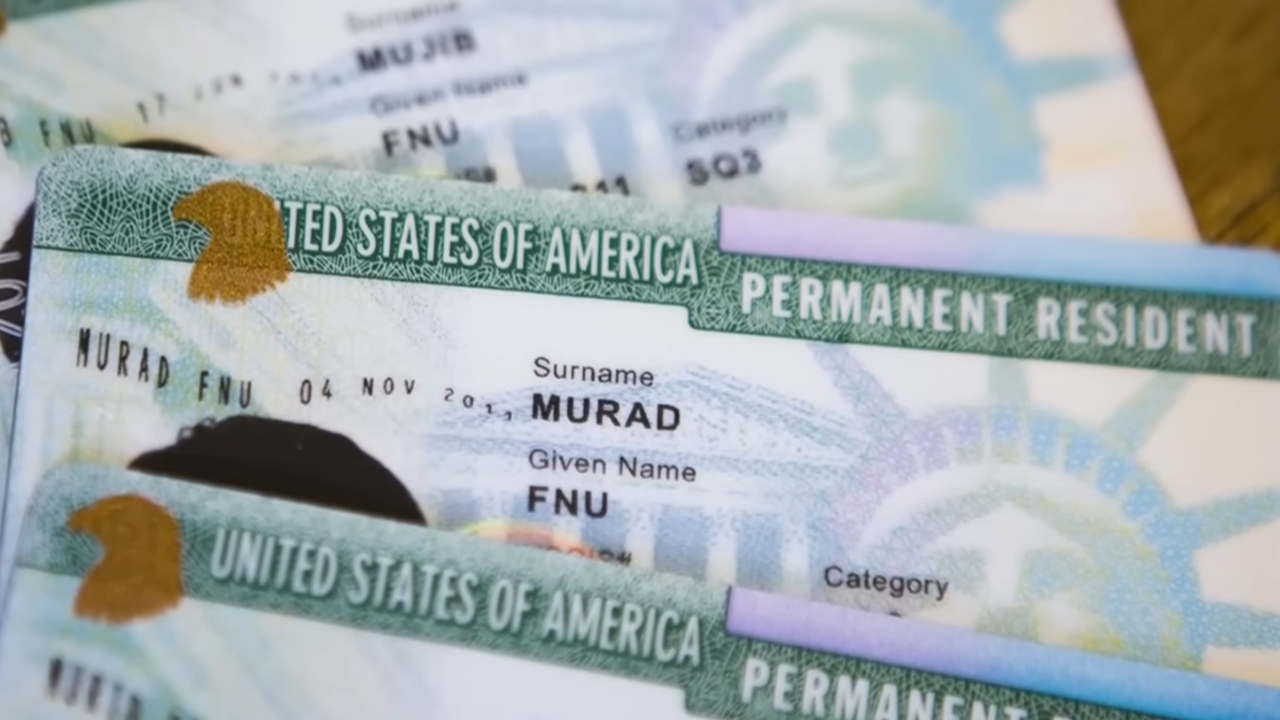
Available reporting points to people applying through U.S. embassies and consulates outside the country. That process is known as consular processing. It is commonly used by relatives of U.S. citizens and permanent residents, workers sponsored by American employers, diversity visa recipients, and other people approved for permanent immigration.
The proposal has not been reported as a general bond for every person filing for adjustment of status from inside the United States. Adjustment applicants are physically present in the country and normally submit Form I-485 through U.S. Citizenship and Immigration Services.
Different treatment for consular applicants could create a large financial gap between people pursuing the same permanent status through different locations. It could also affect families already dealing with long waits, document requirements, medical examinations, travel expenses, and interview scheduling.
Existing green card processing delays can already keep families and workers in uncertain positions for months or years.
Applicants Already Face Financial Sponsorship Requirements
Most family-sponsored immigrants must submit an Affidavit of Support before receiving permanent residence. The document creates a legally enforceable commitment from the sponsor to provide financial support to the immigrant.
According to the State Department’s immigrant visa guidance, the sponsor’s responsibility usually continues until the immigrant becomes a U.S. citizen or receives credit for 40 qualifying quarters of work. Forty quarters generally equal 10 years.
Sponsors normally must demonstrate income equal to at least 125% of the federal poverty guideline for their household size. A joint sponsor can provide a second affidavit when the original petitioner does not meet the income requirement.
The proposed bond would add a separate test based on access to cash or other accepted financial security. A sponsor could earn enough to meet the existing income requirement but still lack $100,000 in available funds. Home equity, retirement accounts, regular wages, and other forms of wealth do not automatically provide that level of liquid cash.
The Proposal Arrives Alongside Stricter Public Charge Rules
The bond proposal emerged as the administration moved to restore broader government discretion in public charge decisions. Public charge rules allow immigration officials to deny permanent residence when they determine that an applicant is likely to depend on government support.
View this post on Instagram
On July 16, USCIS announced that the Department of Homeland Security had rescinded the 2022 public charge regulation. The new approach removes definitions and restrictions that had limited the factors immigration officers could consider.
The final public charge rule restores wider discretion for officers to examine an applicant’s age, health, family status, assets, resources, financial position, education, skills, benefit use, and other relevant circumstances. The rule is scheduled to take effect 60 days after publication in the Federal Register.
The public charge rule and the proposed $100,000 bond are separate government actions. Together, they indicate that financial capacity could play a much larger role in future green card decisions. Applicants could face closer examination of their resources, followed by a bond requirement, even after satisfying ordinary sponsorship rules.
The Government Already Uses Visa Bonds for Some Visitors
The State Department began a visa bond pilot program in August 2025 for selected people applying for B-1 and B-2 visitor visas. Covered applicants can be required to post bonds of $5,000, $10,000, or $15,000 before receiving a temporary visa.
The original pilot program targeted nationals of countries associated with high visa overstay rates, weak screening information, or citizenship programs that did not require residence.
Those bonds are intended to encourage visitors to leave the United States before their authorized stay expires.
By March 2026, the State Department said the program covered 50 countries and announced the addition of 12 more countries beginning April 2. The department said more than 44,000 visitors from the covered countries had overstayed during the final year of the Biden administration, according to its statement on the expanded visitor bond policy.
A green card bond would serve a different purpose. Permanent residents are authorized to remain in the United States, so the main issue would not be departure after a temporary visit. The proposed bond would instead act as protection against an immigrant becoming financially dependent on public resources.
Refund Could Depend on Becoming a U.S. Citizen
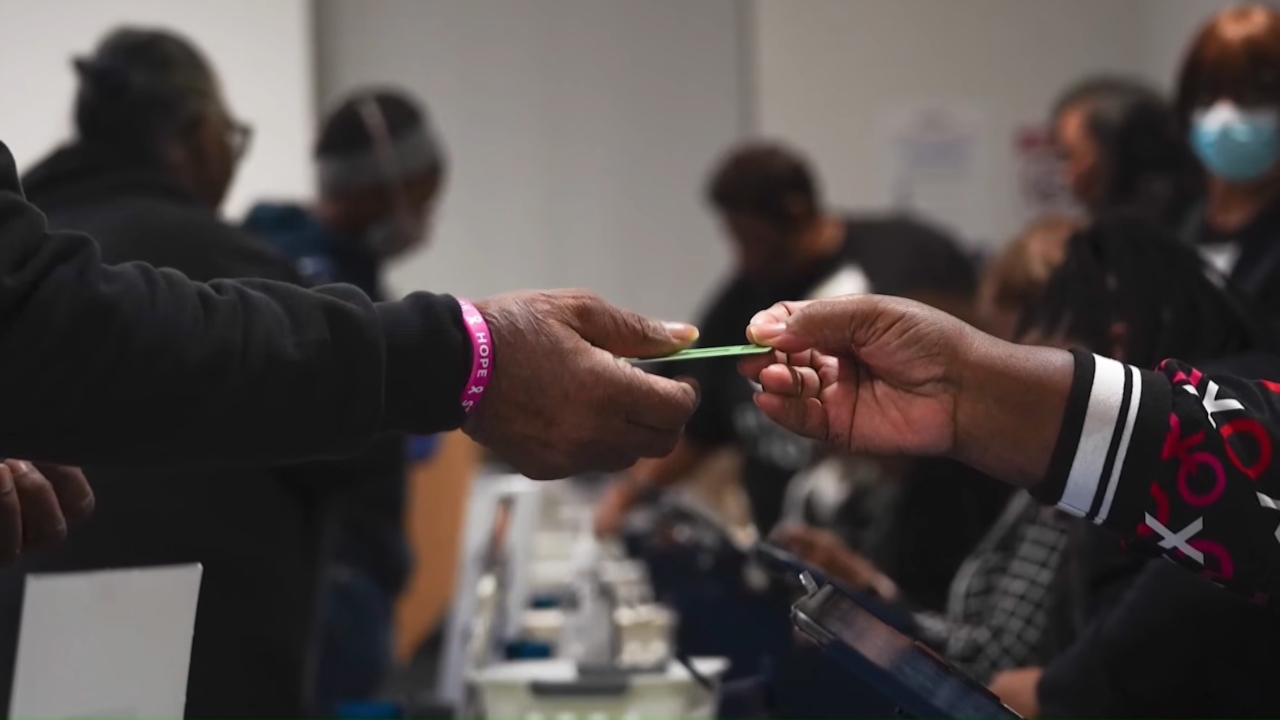
Reports indicate that the government could retain the bond until the permanent resident becomes a U.S. citizen. The most common naturalization route requires at least five years of permanent residence, according to USCIS eligibility guidance.
Five years is only the minimum waiting period before many permanent residents can apply. Naturalization also requires continuous residence, sufficient physical presence, good moral character, English proficiency in most cases, a civics examination, an application, biometrics, an interview, and final approval.
Some permanent residents never apply for citizenship. Others apply years after becoming eligible. No public description has explained what would happen to the bond in those cases. The administration also has not stated how death, divorce, abandonment of permanent residence, removal proceedings, or a denied naturalization application would affect repayment.
A $100,000 Requirement Would Reshape Legal Immigration
More than one million people received lawful permanent resident status during fiscal 2024, according to the latest Department of Homeland Security immigration statistics. Not all received their status through consular processing, and the administration has not said how many applicants could fall under the proposed bond system.
Even limited use could change who can complete the legal immigration process. Applicants with wealthy relatives, high salaries, valuable assets, or access to credit would have a clear advantage. Families with moderate incomes could receive petition approval and pass every required check, but remain unable to secure the money needed for visa issuance.
The economic effect would extend past individual applicants. Immigration supplies workers across health care, construction, manufacturing, technology, hospitality, agriculture, education, and small business ownership.
Our analysis of immigration and the future of U.S. workforce found that lower immigration could substantially reduce the working-age immigrant population during the next two decades.
A major financial barrier would also alter family reunification. U.S. citizens sponsoring spouses, parents, or adult children could face a requirement far above the regular visa costs.
Petition approval would no longer guarantee that a family could afford the final stage of the process.
No $100,000 Green Card Bond Is Currently Due
@caribbeanemagazine U.S. Green Card Applicants Could Face Up to $100,000 Bond Under New Trump Proposal The Trump administration is developing a proposal that could require some Green Card applicants processing their immigrant visas at U.S. embassies and consulates abroad to post a refundable bond of up to $100,000. The proposed policy would mainly affect family-sponsored and employment-based immigrant visa applicants. According to the U.S. State Department, the bond is being considered to help ensure new immigrants are financially self-sufficient and do not become a “public charge.” The proposal is still under development and has not yet been implemented, but it could have significant implications for Caribbean families planning to immigrate to the United States. Follow Caribbean EMagazine for the latest U.S. immigration news and updates affecting the Caribbean community. 🇺🇸 #USImmigration #GreenCard #CaribbeanNews #ImmigrationNews #CaribbeanEMagazine ♬ Breaking News – Breaking News
Applicants should not send money to anyone claiming that the bond is already mandatory. No final regulation, payment system, list of covered countries, list of affected visa categories, or implementation date has been published.
Official payment instructions would need to come from the State Department, the National Visa Center, a U.S. embassy, or another authorized federal agency. Requests from private agents, social media accounts, messaging services, or unofficial websites should be treated as potential fraud.
The proposal remains under consideration. Its current importance comes from the amount being discussed and the broader direction of federal immigration policy.
A refundable $100,000 bond would not simply add another administrative step. It would make access to substantial wealth a practical condition for some people seeking lawful permanent residence from abroad.