

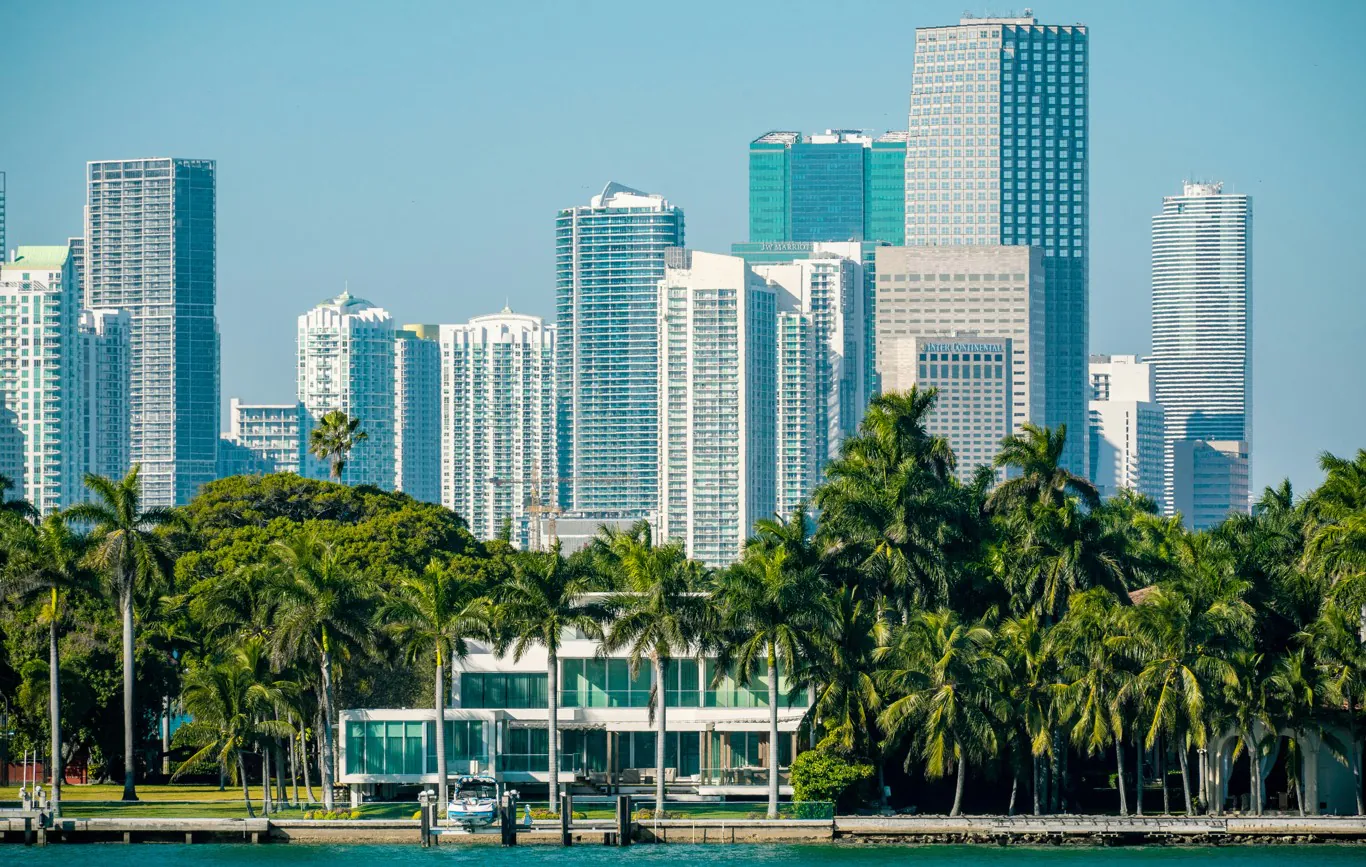
South Florida has overtaken the New York metropolitan area in overall cost of living, ending its old reputation as the less expensive alternative for people leaving the Northeast.
The Miami-Fort Lauderdale-West Palm Beach metro now has the second-highest overall price level among major U.S. metropolitan areas, according to the latest figures released by the Bureau of Economic Analysis. Only the San Francisco Bay Area is more expensive.
South Florida is now more expensive than New York, and it ranks second nationwide. The San Francisco Bay Area remains the most expensive.
South Florida is Now Only Behind San Francisco
View this post on Instagram
The federal comparison uses Regional Price Parities, which measure local prices against the national average. A score of 100 matches the U.S. average, while a score of 114 means prices are 14% higher.
| Metropolitan Area | Regional Price Parity | Price Level Compared With U.S. Average |
|---|---|---|
| San Francisco-Oakland-Fremont | 115.6 | 15.6% higher |
| Miami-Fort Lauderdale-West Palm Beach | 114.2 | 14.2% higher |
| Los Angeles-Long Beach-Anaheim | 113.6 | 13.6% higher |
| New York-Newark-Jersey City | 112.6 | 12.6% higher |
The latest federal figures cover prices during 2024 but were released in February 2026, making them the most recent complete comparison available. The Miami metro recorded an index of 114.155, up from 112.088 one year earlier, according to the Federal Reserve Bank of St. Louis data series.
Comparing the two indexes shows that the overall price level in South Florida is about 1.4% higher than in the New York metro area. The widely reported 5% difference applies specifically to housing rather than every part of a household budget.
Housing Is Where South Florida Pulls Away
Housing costs in the Miami-Fort Lauderdale-West Palm Beach area stood 55.6% above the national average. The comparable figure for metropolitan New York was 48.6% above average, putting South Florida’s housing expenses close to 5% higher.
Rent and mortgage payments tell only part of the story. Buyers must also account for property taxes, homeowners association fees, flood risk and insurance premiums. Condominium owners can face large assessments for structural inspections, reserve requirements and repairs, especially in older coastal buildings.
Home prices in South Florida have increased 79% since the pandemic, while consumer prices have risen 36% since 2019, according to reporting based on Bloomberg’s analysis. Those increases have outpaced wage growth for many residents and made it more difficult for first-time buyers to remain in the communities where they work.
Florida’s continued population growth has helped sustain housing demand. The latest Census estimates put the population of Florida at 23,462,518, following a gain of 196,680 residents in one year. Migration into the state has slowed from its pandemic peak, but the earlier influx left a lasting mark on home values and rents across Miami-Dade, Broward and Palm Beach counties.
Insurance and Property Taxes Changed the Calculation
Moving from New York to Florida can still reduce a household’s state income-tax bill because Florida has no individual state income tax. The savings are less impressive when the full cost of owning a home is included.
Insurance has become one of the largest problems. Hurricane exposure, flooding, higher rebuilding costs and the withdrawal of some private insurers have pushed premiums sharply higher. Coverage can become especially expensive near the coast, and homeowners with mortgages generally cannot drop it simply because the annual bill has become difficult to afford.
Property taxes have also climbed as assessed values and sale prices increased. Longtime homeowners with homestead protections may pay considerably less than recent buyers of similar properties, creating a wide difference between neighbors living in comparable homes.
Everyday Prices Are Still Rising in 2026
The cost pressure has not ended with housing. Consumer prices in the Miami-Fort Lauderdale-West Palm Beach area rose 3.4% during the 12 months ending in June 2026, according to the latest Bureau of Labor Statistics report.
Energy prices increased 14.1% over the year, while gasoline rose 27.7%. Food prices were 2.1% higher, including a 2.9% increase for groceries. Shelter costs increased 3.3%, with residential rents rising 2.7%.
Those figures measure how prices changed within South Florida, while the BEA comparison shows how expensive the region is relative to other parts of the country. Together, they explain why many residents feel pressure even when individual expenses such as rent or groceries have stopped rising as quickly as they did earlier in the decade.
Florida Voters Will Consider Property Tax Changes
Housing costs are likely to remain a major political issue heading into the November election. Florida lawmakers have placed a proposed constitutional amendment before voters that would change assessment limits, increase the homestead exemption and restrict how counties and municipalities use certain property-tax revenue.
The official text of CS/HJR 1-F says the changes would take effect on January 1, 2027, if approved. A Florida constitutional amendment requires support from at least 60% of voters.
Any tax relief would need to be weighed against its effect on local services funded by property taxes. It also would not solve the region’s insurance costs, housing shortage or the gap between local earnings and home prices.
South Florida still offers advantages that keep attracting residents and businesses, including no state income tax and access to a large international economy.
What it can no longer offer is a convincing claim that living there costs less than living around New York. The latest federal numbers place Miami, Fort Lauderdale and West Palm Beach ahead of New York and Los Angeles, with only San Francisco remaining more expensive.