

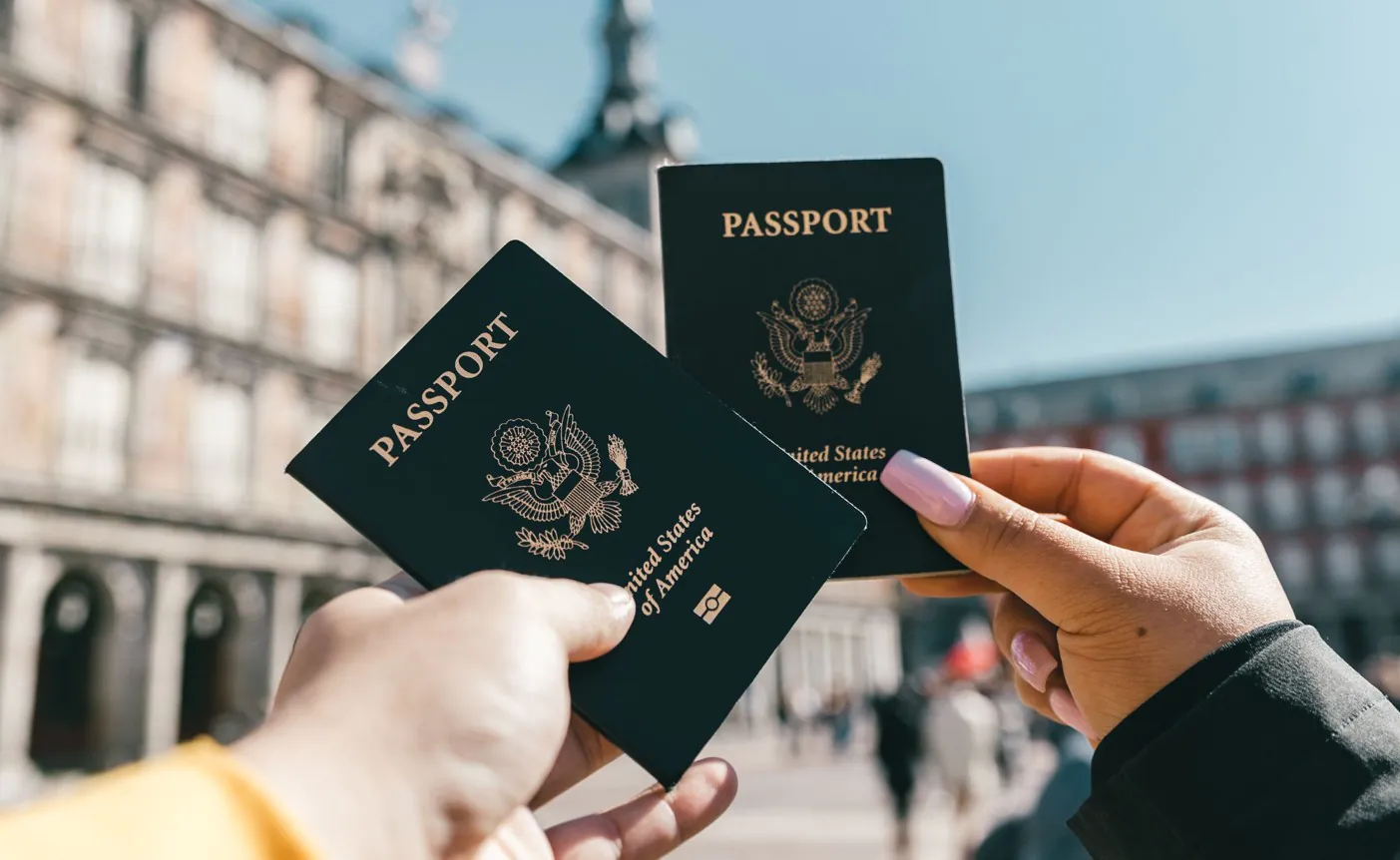
The U.S. passport is back among the 10 strongest passports in the world, but the ranking hides a longer decline that would have been unthinkable a decade ago.
Americans can now reach 179 destinations without securing a traditional visa before departure, according to the July 2026 Henley Passport Index. That places the United States at No. 10, tied with Iceland and Lithuania.
The result sounds reassuring until it is placed beside the country’s earlier position. The U.S. shared the No. 1 spot with the United Kingdom in 2014. It later slipped down the table, briefly fell outside the top 10 in late 2025 and then returned to 10th place in January 2026.
The passport remains highly useful. It is still one of the world’s most widely accepted travel documents. The ranking shows, however, that other countries have expanded visa-free access faster, leaving the United States with less of the global advantage it once enjoyed.
Singapore Leads the 2026 Ranking
Singapore holds the top position with access to 192 destinations without a prior visa. Japan, South Korea and the United Arab Emirates follow with access to 188 destinations.
| Passport | 2026 position | Destinations without a prior visa |
|---|---|---|
| Singapore | 1 | 192 |
| Japan, South Korea and United Arab Emirates | 2 | 188 |
| Canada | 7 | More than 180 |
| United States | 10 | 179 |
The difference between first place and 10th place is not enormous for someone planning a normal vacation. It can still matter to people who travel constantly for work, maintain homes in more than one country or need to move quickly across borders.
Henley’s ranking counts destinations where travelers can enter without obtaining a visa in advance. The total can include visa-free entry, visas issued on arrival and some electronic travel authorizations. It does not mean that travelers can simply arrive without meeting any conditions.
A Strong Passport Does Not Guarantee Easy Entry
Airlines and border officials can still require proof of onward travel, accommodation, sufficient funds, travel insurance or an electronic permit. A traveler can also be refused entry for reasons unrelated to the passport ranking.
Passport validity creates another common problem. The U.S. State Department warns that some destinations require six months of validity after the trip ends. Airlines may refuse boarding when a passport falls short of a country’s rule, even if the traveler has a valid ticket and does not need a visa.
Some destinations also require blank pages for entry and exit stamps. A damaged passport, a name mismatch or a passport with too little remaining validity can cause trouble before a passenger reaches the border.
Also Read: State Department Worldwide Caution for Americans Abroad
The U.S. Has Kept Falling Since 2014
The passport ranking does not measure the quality of the American passport itself. It measures how many governments allow American citizens to enter without obtaining a visa in advance.
Countries can move up by negotiating visa-waiver agreements, simplifying entry rules or opening their borders to more nationalities. The United Arab Emirates is the clearest example. It has added more than 150 destinations to its passport access list over the past two decades.
The United States has not matched that pace. Changes involving Brazil, China, Vietnam and other destinations have reduced the number of places Americans can enter under the easiest travel arrangements.
The result is a gradual loss of position rather than one dramatic collapse. The American passport still provides more mobility than almost every passport in the world, but its advantage over other wealthy countries is smaller than it used to be.
One of the Reasons is that the US Is Much Less Open to Foreign Visitors
The most revealing part may be the comparison between outbound and inbound travel.
American passport holders can reach 179 destinations without a prior visa. The United States, however, allows only 46 nationalities to enter without obtaining a visa in advance, according to Henley’s separate openness measure.
That gap places the United States far lower on the openness ranking than on the passport-power table. It also shows why passport strength is connected to diplomacy. Visa access is not only a travel convenience. It reflects agreements, reciprocity and a country’s willingness to make entry easier for foreign citizens.
What Travelers Should Do Before Booking?
Americans should check the entry rules for the exact destination before buying a ticket. The State Department’s travel guidance can identify passport-validity requirements, visa rules, local security concerns and contact details for the nearest U.S. embassy.
Anyone applying for a new passport should plan ahead. The department currently lists four to six weeks for routine processing, plus mailing time. Expedited service is available for an additional fee, but travelers should not assume that a faster option will solve a last-minute problem.
Passport problems can also stop Americans from leaving the country. Unpaid child support debt can lead to passport restrictions, including the denial or revocation of a passport in serious cases.
The U.S. passport remains powerful enough to make international travel easier than it is for most people in the world. Its No. 10 ranking is still a strong result. The part worth watching is the direction. The United States is no longer setting the standard for global mobility. Other countries are opening more doors, and Americans are beginning to notice the difference.