
AAA expects 72.2 million Americans to travel at least 50 miles from home during the Independence Day travel period, setting another record for July Fourth travel.
The forecast covers a nine-day period from Saturday, June 27, through Sunday, July 5. AAA said the total is slightly above last year’s record of 71.8 million travelers, although growth has slowed compared with the larger jumps seen in recent years.
Travelers should expect heavy movement over the holiday period.
In Michigan, WXYZ Detroit reported that more than 2.6 million state residents are expected to travel at least 50 miles, with more than two million of them driving.
The forecast shows that July Fourth remains a major travel week even as costs remain high. Families are still choosing road trips, flights, cruises and longer summer breaks, but the biggest growth this year is coming from travel by buses, trains and cruises rather than cars or planes.
Table of Contents
ToggleJuly Fourth Travel Forecast
Measure
AAA Forecast
What It Means
Total U.S. travelers
72.2 million
Americans traveling at least 50 miles from home
Travel period
June 27 to July 5
Nine-day holiday window including two weekends
2025 comparison
71.8 million
This year is slightly higher than last year’s record
Car travelers
61.4 million
About 85% of July Fourth travelers will drive
Air travelers
5.85 million
Domestic flights are nearly flat compared with last year
Other travel modes
4.93 million
Buses, trains and cruises show the fastest growth
Michigan travelers
More than 2.6 million
WXYZ reported a record Independence Day travel forecast for Michigan
Most Travelers Will Drive
61.4 million people will travel by car during July Fourth week. That is nearly the same as last year, when 61.3 million people drove for the holiday period.
Driving remains the main choice because it gives families more control over cost, timing and luggage. Even with higher gasoline prices than last year, a road trip can still cost less than buying several plane tickets, especially for families traveling with children.
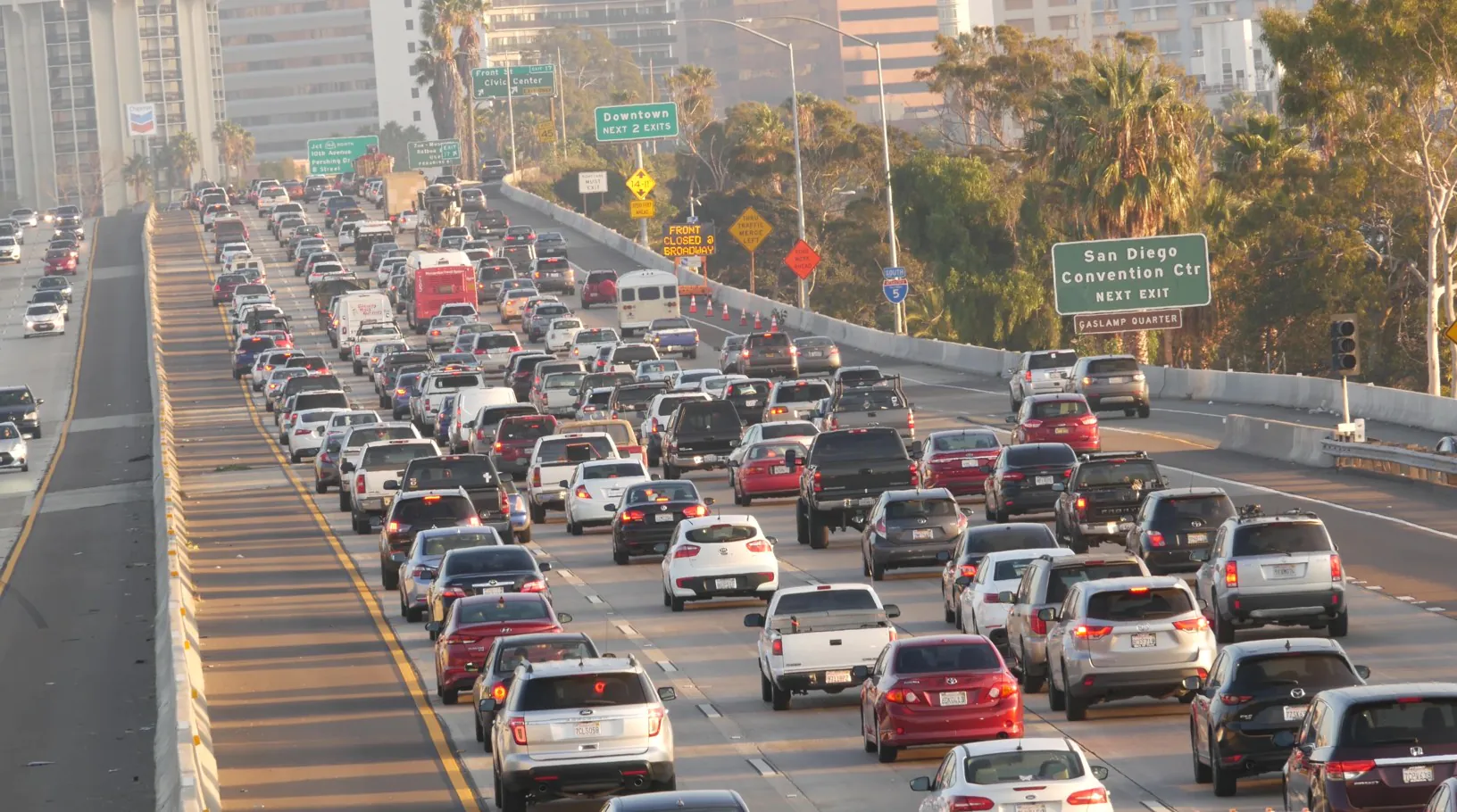
85% of Independence Day travelers are expected to drive. That means the heaviest pressure will fall on highways, bridges, beach routes, lake routes and metro exits during the busiest travel windows.
Air Travel Is Still High, But Growth Is Small
5.85 million people will fly domestically during the July Fourth period. That is up only 0.2% from last year.
Air travelers make up about 8% of the holiday travel total. AAA said roundtrip domestic flights to top destinations such as Chicago and Denver are about 5% more expensive than last year, with domestic flights averaging about $830 per ticket based on AAA booking data.
Airports should still be crowded. Small growth does not mean light travel. It means flight volume was already high, and this year is holding near those levels.
Buses, Trains And Cruises Show The Fastest Growth
The fastest-growing category this year is travel by other modes, including buses, trains and cruises. 4.93 million Americans will use those options during July Fourth week, up 5.3% from last year.
It is expected to beat the 2019 level of 4.79 million travelers. Cruises are a major reason. Travelers are still choosing cruises because they can bundle lodging, meals, entertainment and destinations into a single trip price.
This shift matters for ports, rail stations and intercity bus routes. The July Fourth rush is no longer only about highways and airports.
Best And Worst Times To Drive
The second weekend of the travel period will be the busiest on roads, starting Thursday, July 2. Drivers trying to avoid the heaviest traffic should leave early in the day or consider traveling Monday or Tuesday where possible.
| Date | Worst Travel Time | Best Travel Time |
| Saturday, June 27 | 12 p.m. to 5 p.m. | Before 10 a.m. |
| Sunday, June 28 | 2 p.m. to 4 p.m. | Before 11 a.m. |
| Monday, June 29 | 2 p.m. to 6 p.m. | Before 12 p.m. |
| Tuesday, June 30 | 3 p.m. to 6 p.m. | Before 2 p.m. |
| Wednesday, July 1 | 12 p.m. to 9 p.m. | Before 12 p.m. |
| Thursday, July 2 | 2 p.m. to 6 p.m. | Before 12 p.m. |
| Friday, July 3 | 12 p.m. to 7 p.m. | Before 11 a.m. |
| Saturday, July 4 | 10 a.m. to 2 p.m. | After 3 p.m. |
| Sunday, July 5 | 12 p.m. to 6 p.m. | Before 11 a.m. |
The safest advice is simple: leave earlier than the rush, check the route before leaving, keep fuel or charging stops planned, and avoid driving after drinking or using impairing substances.
Top July Fourth Destinations
AAA booking data shows travelers are heading to major cities, Alaska cruise gateways, Florida destinations and international stops in Canada and Europe.
| Rank | Top Domestic Destination | Top International Destination |
| 1 | Seattle, Washington | Vancouver, Canada |
| 2 | Orlando, Florida | Rome, Italy |
| 3 | Anchorage, Alaska | Dublin, Ireland |
| 4 | Miami, Florida | Paris, France |
| 5 | New York, New York | London, England |
| 6 | Chicago, Illinois | Calgary, Canada |
| 7 | Fort Lauderdale, Florida | Reykjavik, Iceland |
| 8 | Fairbanks, Alaska | Amsterdam, Netherlands |
| 9 | Denver, Colorado | Athens, Greece |
| 10 | Boston, Massachusetts | Barcelona, Spain |
New York appears among the top domestic destinations. NCH Stats has a separate population and trends guide for New York City, where large holiday crowds add to an already dense travel environment.
Gas, Flights And Rental Cars Add Cost Pressure
The gas prices are higher than last year but still below the 2022 Independence Day level, when the national average reached $4.80 per gallon. Higher fuel costs can affect long-distance road trips, but driving remains cheaper than flying for many families.
Rental cars are also more expensive. Domestic car rentals are about 10% more expensive this holiday week than last year.
Travel costs remain part of the larger household budget story. Our team at NCH Stats has tracked the broader price pressure in its U.S. inflation report, and travel is one of the areas where families still spend even while adjusting other parts of the budget.
Safety Concerns Rise With Travel Volume
AAA warned that July Fourth week can be dangerous on the road because of heavy traffic, more teen drivers during summer, and impaired driving tied to holiday events.
Nearly one in three summertime traffic deaths involves an impaired driver. The organization also reported that it responded to more than 687,000 roadside assistance calls during last year’s Independence Day week. Half required towing, and nearly 30% were for battery replacement or flat tires.
Before leaving, drivers should check tire pressure, battery condition, oil, lights and windshield wipers. On the road, AAA urges drivers to slow down and move over for emergency responders and stranded motorists.
Bottom Line
AAA expects 72.2 million Americans to travel for July Fourth week, the highest Independence Day forecast on record. Most travelers will drive, with 61.4 million expected to take road trips. Another 5.85 million are expected to fly, while 4.93 million will travel by bus, train, cruise or other modes.
The forecast is only slightly above last year, but travel volume remains extremely high. For anyone driving, flying or heading to a cruise port, the safest plan is to leave early, expect delays, check costs before booking, and avoid the busiest travel windows where possible.
Related Posts:
- Social Security Payments Continue This Week, See Who…
- PCE Inflation Stayed at 3.7% in July as Core Prices…
- The US Passport Is Back in the Top 10, but Americans…
- The Final July Social Security Payment Arrives July…
- Social Security Payment Scheduled For July 3 Will…
- Dust, Broken Cables, and Too Much Coffee - A Very…