
Labor Day weekend marks one of the final major travel periods of summer, putting millions of motorists on highways at roughly the same time.
Labor Day falls on Monday, September 7, 2026, with the holiday traffic period running between 6 p.m. Friday, September 4, and 11:59 p.m. Monday, September 7.
Holiday travel periods are associated with increased risks of crashes causing serious injuries and deaths.
Cars also have the highest fatality rate per passenger mile among major forms of motorized transportation, making road safety especially important during a weekend dominated by driving.
Several risks become more serious when roads get crowded. Impaired driving is among the biggest concerns, but fatigue, distraction, speeding, and aggressive behavior can also turn a routine holiday drive into a dangerous situation.
Labor Day 2026 Traffic
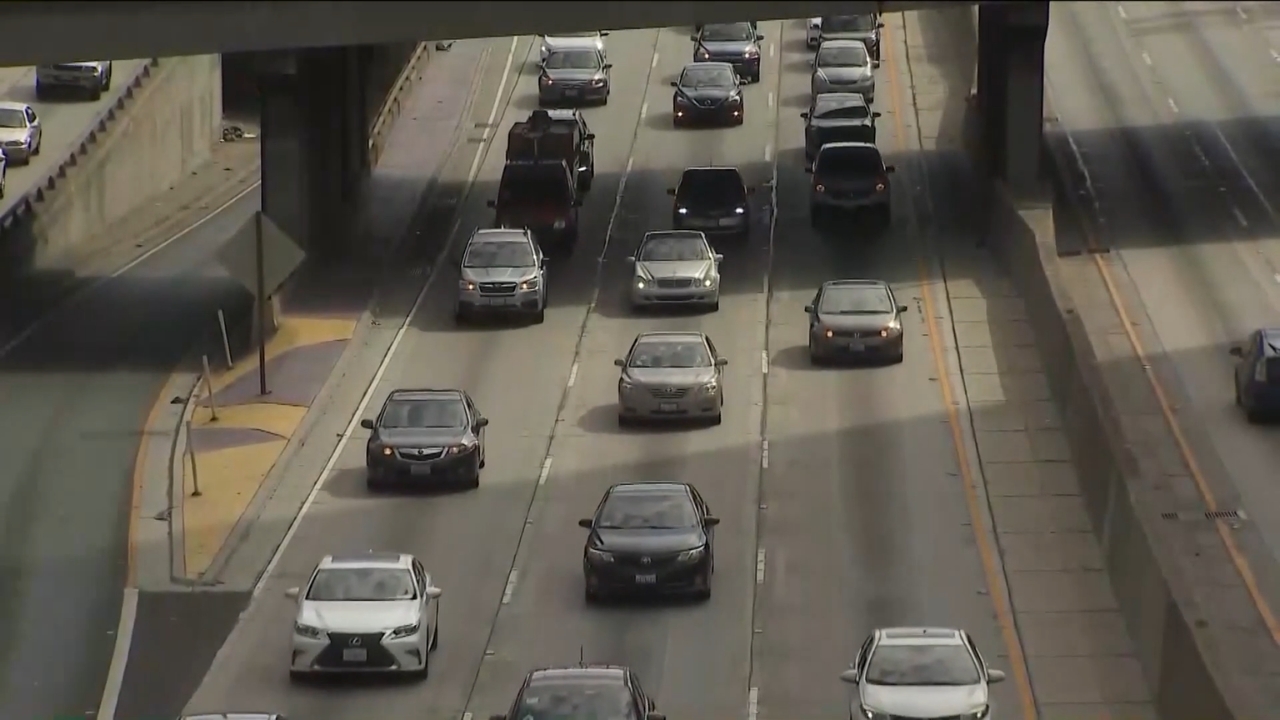
Road traffic is expected to build before the official holiday period even begins.
Many travelers are expected to leave after work on Thursday, September 3, or during Friday, adding vacation traffic to normal weekday commuter volumes.
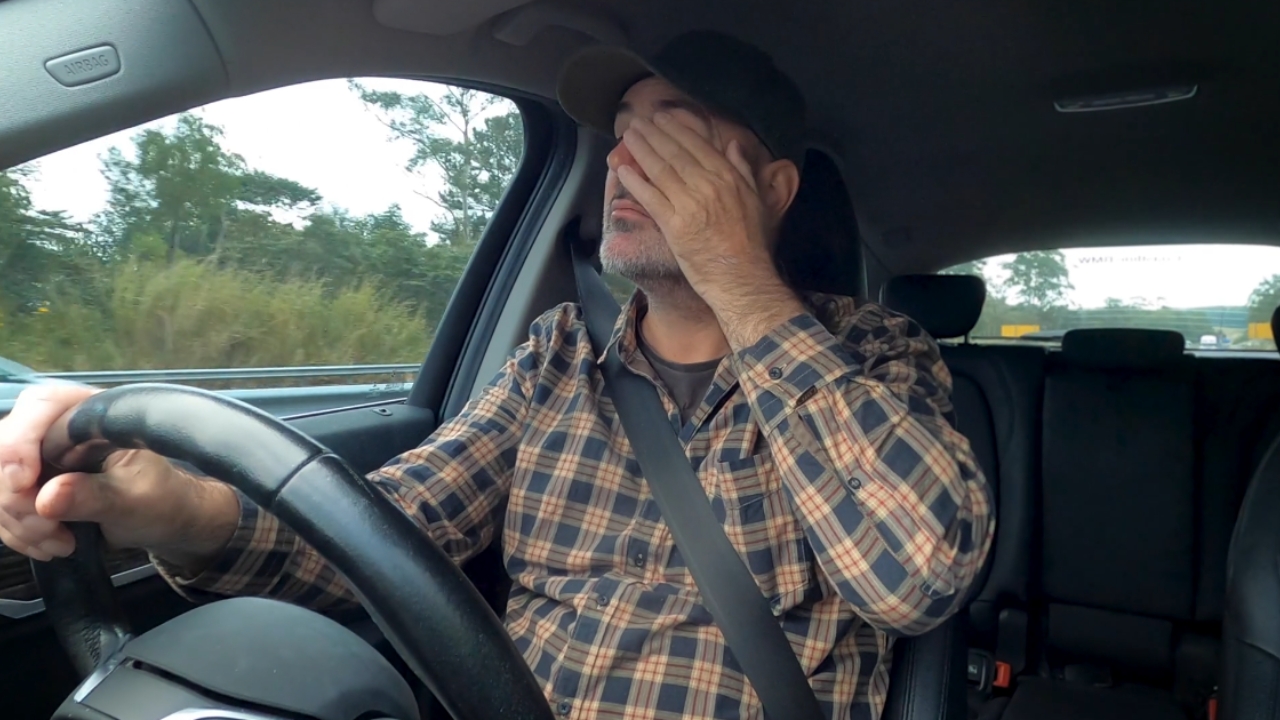
Earlier departures generally offer better conditions. Drivers are advised to leave before 1 p.m. Thursday, before noon Friday, before 10 a.m. Saturday, and before noon Monday. Heavy traffic creates safety problems that go beyond slower travel speeds. Large commercial trucks add another layer of risk on congested highways, especially when traffic requires frequent braking and lane changes. After a serious collision involving a commercial vehicle, an El Paso truck accident attorney can help injured motorists examine liability, trucking company responsibility, and other factors that may affect a claim. Longer trips can increase time spent behind the wheel, while repeated braking, merging, lane changes, and stop-and-go conditions demand sustained attention. Popular Labor Day destinations also include major urban areas such as Seattle, Orlando, Boston, Denver, and New York, increasing the potential for congestion around already busy metropolitan corridors. Planning around peak periods can therefore do more than shorten a trip. Less exposure to busy roads can also reduce fatigue, frustration, and pressure to make up lost time. About 30% of all traffic crash fatalities in the US involve drunk drivers. 🪦 Alcohol reduces the function of the brain, impairing thinking, reasoning, & muscle coordination… all things needed to drive a vehicle. Please only drive if you’re sober. 🙏#MShwys #DriveSober pic.twitter.com/OdIupZSLJw — MDOT (@MississippiDOT) January 10, 2026 Alcohol-impaired driving continues to account for a large share of traffic deaths nationwide. During 2024, 30% of all U.S. traffic fatalities involved an alcohol-impaired driver. A total of 11,904 people died in those crashes, equal to roughly one death every 44 minutes. Risk was not evenly distributed across all drivers or times of day. Fatal crashes involving an alcohol-impaired driver occurred at a rate three times higher at night. Men ages 21 to 34 represented the largest demographic of alcohol-impaired drivers involved in fatal crashes. Labor Day has its own history of impaired-driving fatalities. During Labor Day weekend in 2024, 505 people died in traffic crashes, and 33% of those deaths involved a drunk driver. Among those cases, 77% involved a drunk driver with a blood alcohol concentration of .15 or higher. Enforcement will increase ahead of the 2026 holiday. Police agencies nationwide are increasing patrols between August 19 and Labor Day as part of a high-visibility impaired-driving campaign. Alcohol is not the only concern. Cannabis and other substances can impair coordination, reaction time, judgment, and other abilities needed for safe driving. Prescription medication can also impair a person enough to make driving unsafe. Motorcycle riders face an especially serious risk. Among riders killed in single-motorcycle crashes during 2024, 41% were alcohol-impaired. Data for Labor Day weekend specifically also show that 27% of motorcycle riders killed during the 2024 holiday period were drunk. Long road trips can become physically and mentally demanding, particularly when congestion adds an hour or more to the expected drive. Fatigue can reduce alertness and make it harder to respond quickly when traffic suddenly slows, another vehicle changes lanes, or road conditions change. Holiday schedules can make the problem worse when drivers leave early, travel late at night, or begin a trip after a full workday. Navigation apps, incoming messages, calls, music controls, and traffic alerts can pull a driver’s attention away at exactly the moment quick reactions are needed. Drivers using navigation should enter destinations before pulling onto the road and rely on voice guidance when practical. Passengers can also handle route changes, messages, and other tasks that would otherwise require the driver’s attention. Adequate sleep before departure matters just as much. Someone already tired at the beginning of a trip is likely to become less alert as mileage and traffic delays accumulate. Heavy traffic may slow average travel speeds, but it can also encourage risky attempts to make up time once lanes open. A driver who has spent an hour crawling through congestion may feel pressure to accelerate aggressively when traffic begins moving again. Tailgating, rapid lane changes, cutting between vehicles, and excessive speed can follow. Such behavior offers little benefit compared with the added crash risk. Congestion can reappear with little warning, leaving a speeding driver less time and distance to stop. Extra travel time should be built into holiday plans rather than recovered on the road. Leaving before the busiest periods can reduce both delays and the frustration associated with sitting in traffic. Friday presents a particularly important planning opportunity in 2026. Traffic is expected to be at its worst between noon and 8 p.m., meaning an early departure could help motorists avoid one of the longest congestion windows of the weekend. Monday return trips are expected to become most difficult between 2 p.m. and 5 p.m. Starting earlier can limit exposure to congestion and reduce pressure to speed. Getting enough sleep can improve attention and reaction time. Putting the phone aside can eliminate a major source of distraction. Impaired driving requires an even clearer rule. Anyone consuming alcohol, cannabis, or another impairing substance should not drive. Seat belt use adds another layer of protection. Research cited in holiday traffic estimates indicates that seat belts are 45% effective at preventing fatalities among front-seat passenger car occupants. Defensive driving also becomes more important as traffic volume rises. Extra following distance, predictable lane changes, lower speeds in congested areas, and attention to surrounding vehicles can provide valuable reaction time when another motorist makes a mistake. Labor Day traffic is not only an inconvenience. More vehicles, longer trips, alcohol use, fatigue, distraction, and frustration can combine to create conditions where a single mistake has serious consequences. Nearly 12,000 people died in alcohol-impaired-driving crashes during 2024, and roughly one such death occurred every 44 minutes. Labor Day weekend also has a documented history of elevated impaired-driving risk. An earlier departure, a sober ride plan, enough sleep, a secured phone, and realistic expectations about delays can all lower risk during one of summer’s busiest road travel periods.
Impaired Driving
Fatigue and Distracted Driving
Speeding and Aggressive Driving
How Drivers Can Stay Safer
FAQs
Closing Thoughts