
Repeated exposure to the synthetic psychedelic 25C-NBOMe during adolescence produced lasting changes in brain communication and competitive social behavior in male rats, according to a study led by researchers at Ningbo University in China.
The findings identify a developmental vulnerability that did not appear when the same drug exposure occurred in adulthood, but they do not establish that comparable effects occur in human teenagers.
The study, published July 20, 2026, in Nature Neuroscience, focused on communication between the ventral hippocampus and orbitofrontal cortex, two regions involved in memory, decision-making and behavior.
Researchers linked weaker synchronization between those areas to persistent avoidance of situations in which adult rats had to compete for resources, according to the study record on PubMed.
Adolescent Exposure Produced a Lasting Behavioral Change
Psychedelics are usually studied for their prosocial effects and therapeutic promise. Yu, Zhang and colleagues show another side when the exposure happens in adolescence. In male rats, repeated administration of the synthetic psychedelic 25C-NBOMe (an NBOMe) during adolescence,… pic.twitter.com/Qz9zBOHJ1P
— Mariela | Neurodocente 🧠 (@neurodocente) July 21, 2026
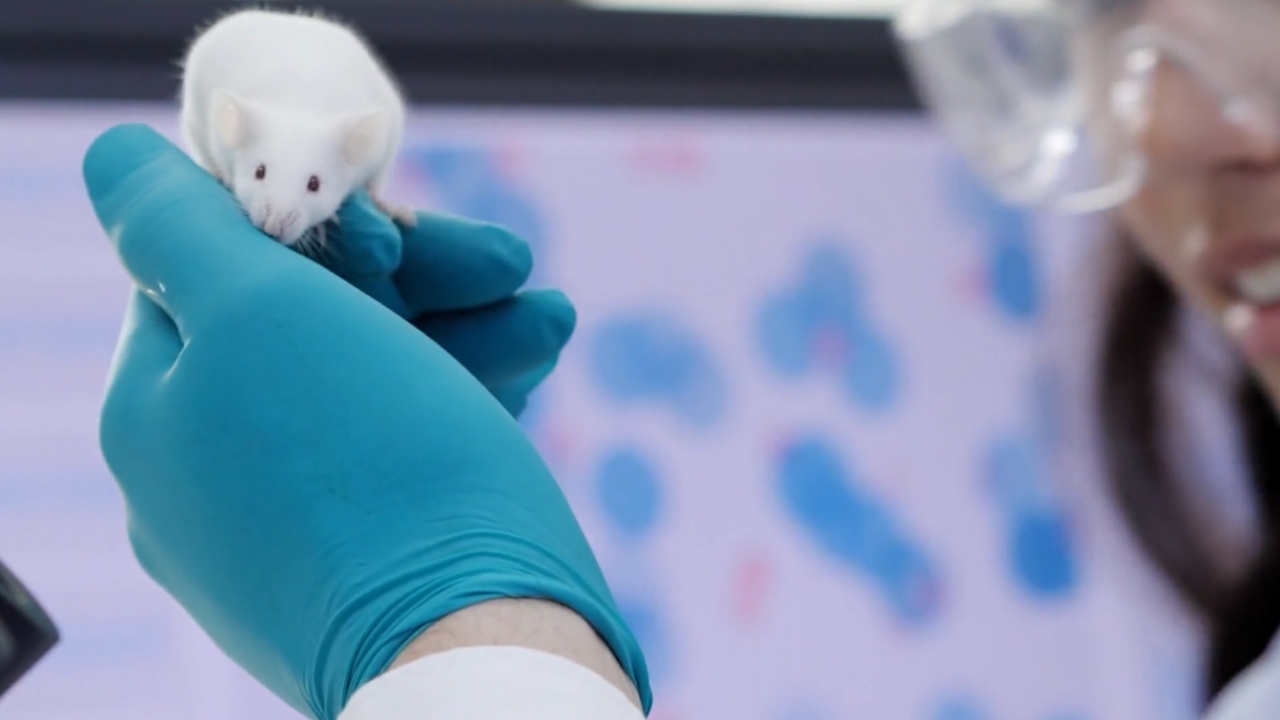
Zhi-Peng Yu, Zhong-Yu Zhang and colleagues studied male Sprague-Dawley rats exposed to 25C-NBOMe during adolescence, defined in the experiment as postnatal days 35 through 48.
A separate group received the drug during adulthood, between postnatal days 60 and 74, allowing researchers to compare the effects of exposure at different developmental stages.
When tested as adults, rats exposed during adolescence were more likely to avoid competitive feeding situations. In one experiment, four rats competed for access to a single feeding point.
Drug-exposed animals spent significantly less time at the feeder and more time in an avoidance area than saline-treated controls. Adult exposure to 25C-NBOMe did not produce the same persistent competitive-avoidance pattern, according to the Nature Neuroscience paper.
The effect also appeared relatively specific. Additional testing did not identify significant differences in spatial learning, working memory, sensorimotor gating or anxiety-like behavior between adolescent drug-exposed rats and controls.
Brain Recordings Point to a Hippocampal-Prefrontal Circuit
Electrical recordings showed reduced theta-band coherence between the ventral hippocampus and orbitofrontal cortex. In practical terms, activity in the two areas was less synchronized, and that reduction was the neural measure most strongly associated with competitive avoidance.
Researchers then used chemogenetic techniques to manipulate the pathway. Activating the ventral hippocampus-to-orbitofrontal cortex projection reduced the avoidance behavior in rats previously exposed to 25C-NBOMe.
Inhibiting the same pathway produced avoidance in control animals. The experiments strengthen the case that disruption of the circuit contributed directly to the behavioral effect rather than simply occurring alongside it.
Latest Verified Update
As of August 19, 2026, the Nature Neuroscience paper remains the current version of record, with no correction or retraction listed through Crossmark. The research was accepted on June 10 and formally published online on July 20. Medical Xpress reported on the findings on August 18.
The authors declared no competing interests. Funding came from China’s National Key Research and Development Program and the National Natural Science Foundation of China.
Findings Do Not Establish a Human Risk
View this post on Instagram
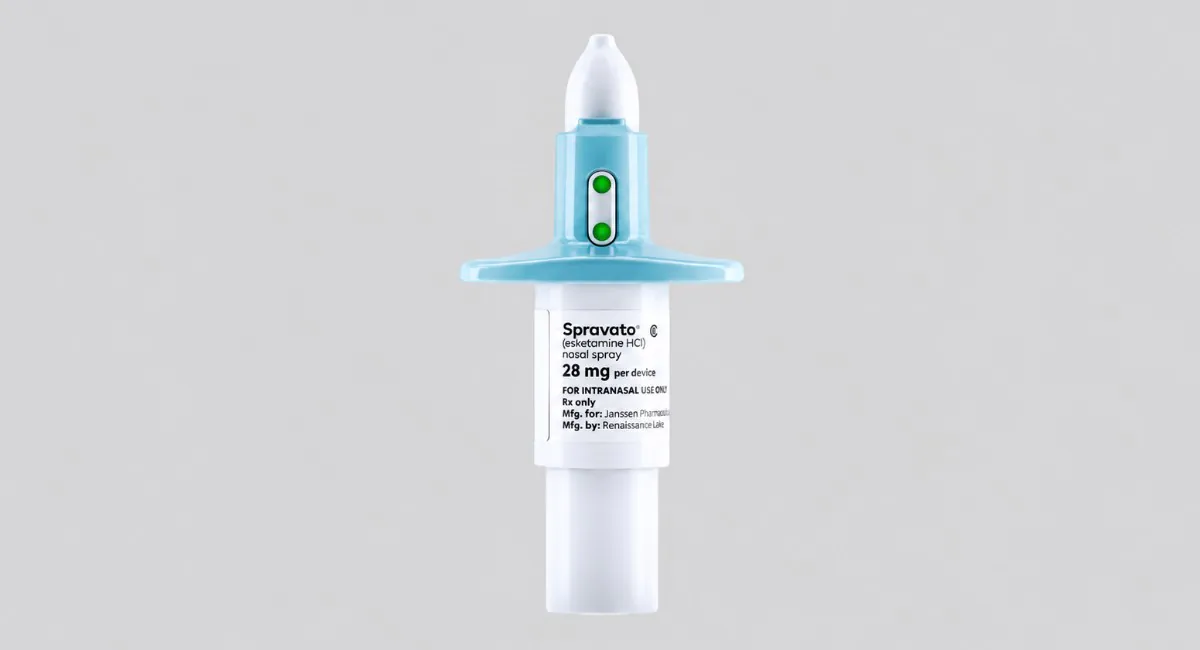
25C-NBOMe is a synthetic phenethylamine psychedelic and is listed as a Schedule I controlled substance in the United States. It is not an approved psychedelic medicine, so the findings should not be treated as evidence about supervised psilocybin therapy or other specific psychedelic treatments. The compound is listed in the FDA substance database.
Separate animal research published in February 2026 found lasting, sex-dependent changes in brain structure and function after adolescent psilocybin exposure in mice, adding to interest in how psychedelics interact with a developing nervous system.
That study involved a different drug, species, and experimental design. The findings were published in Neuropsychopharmacology.
The question has public-health relevance even though psychedelic use among U.S. teenagers remains relatively uncommon. The 2026 Monitoring the Future report found past-year hallucinogen use in 2025 at about 4% among 12th graders, 2% among 10th graders, and roughly 1% among eighth graders.
Human Studies Are Still Needed

The strongest limitation is also straightforward: the new research involved male rats. It cannot determine whether adolescent humans would develop similar circuit changes, whether females would respond differently, or whether other psychedelics would produce the same effects.
The study instead provides a testable biological hypothesis. Future work will need to examine sex differences, other psychedelic compounds, exposure patterns closer to human use, and, ultimately, whether corresponding brain or behavioral changes can be detected in people.