


A routine blood test taken during an ordinary health check could reveal something unexpected about a person’s future health. Researchers studying more than 316,000 adults have found that unusually low or high levels of hemoglobin, a protein already measured in common blood tests, were associated with a greater risk of developing dementia up to 15 years later.
The finding is particularly interesting because it involves a test doctors already use to check for anemia and other health problems. No expensive brain scan or specialized Alzheimer’s test was needed to identify the association.
Researchers at Dong-A University College of Medicine in South Korea discovered that adults with the lowest hemoglobin levels had a 16% higher risk of developing dementia compared with participants in the group with the lowest observed risk. People with the highest levels also faced increased risk, although the association was smaller.
The research published in the Journal of Alzheimer’s Disease was highlighted at the European College of Neuropsychopharmacology Congress few weeks ago. Scientists believe hemoglobin could eventually help identify people who need closer attention to their long-term brain health.
However, the results don’t mean a blood test can tell someone exactly when they will develop dementia. The researchers identified a connection between blood measurements and later diagnoses, not a guaranteed way to predict the disease.
Researchers Followed More Than 316,000 Adults for Up to 15 Years
The research team examined health records for 316,542 South Korean adults aged 40 and older who underwent national health screenings in 2004 and 2005.
Scientists divided the participants into five groups based on their hemoglobin levels, ranging from the lowest 20% to the highest 20%. They then used national health insurance records to track new dementia diagnoses through the end of 2019.
The follow-up period stretched across 15 years, allowing researchers to investigate how blood measurements taken much earlier were associated with dementia later in life.
The results showed that both unusually low and unusually high hemoglobin levels were linked to increased dementia risk, although the relationship differed between Alzheimer’s disease and vascular dementia.
| Blood Test Finding | Increased Risk |
|---|---|
| Lowest hemoglobin levels and all types of dementia | 16% |
| Highest hemoglobin levels and all types of dementia | 7% |
| Lowest hemoglobin levels and Alzheimer’s disease | 14% |
| Lowest hemoglobin levels and vascular dementia | 19% |
| Highest hemoglobin levels and vascular dementia | 18% |
The percentages represent relative increases compared with the study reference group, not the probability that an individual will develop dementia.
Researchers also observed that the associations were generally clearer among women. The study didn’t establish why the relationship differed between men and women.
Why Would Hemoglobin Levels Be Connected to Dementia?
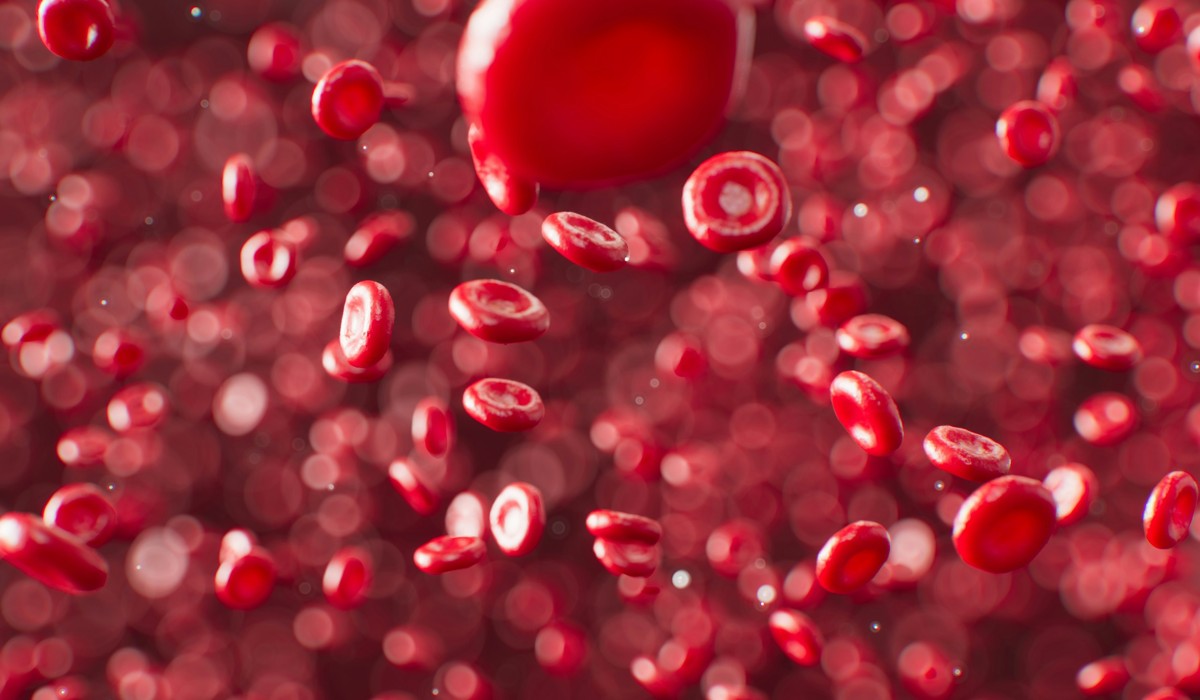
Hemoglobin is the protein inside red blood cells that carries oxygen throughout the body, including to the brain. Doctors measure it during a complete blood count, one of the most commonly ordered laboratory tests.
Low hemoglobin can indicate anemia, which may develop because of iron deficiency, vitamin deficiencies, blood loss or certain chronic diseases. Higher levels can occur with dehydration, smoking and some medical conditions affecting oxygen levels.
The brain depends on a steady supply of oxygen to function normally. Researchers are investigating how problems with oxygen delivery, circulation and general physical health may contribute to changes associated with dementia.
Dr. Hyun Soo Kim, an assistant professor at Dong-A University College of Medicine and one of the researchers involved, explained that abnormal hemoglobin levels may indicate wider health problems connected to future brain health.
“The findings do not show that haemoglobin itself causes dementia, but suggest that abnormal haemoglobin levels may be a visible marker of wider physical vulnerability relevant to brain health.”
The research announcement released in October also emphasized that more studies are needed to determine why the association exists and how doctors might eventually use the findings.
Low Hemoglobin Was More Closely Linked to Alzheimer’s Disease
One of the more revealing findings came when researchers separated dementia into different types.
Alzheimer’s disease, the most common cause of dementia, was primarily associated with low hemoglobin levels. Participants in the lowest group had a 14% higher relative risk than those in the reference group.
Vascular dementia showed a different pattern. Participants at both ends of the hemoglobin range experienced increased risk, although the association was not consistent across all five groups.
Vascular dementia develops when problems with blood circulation damage the brain. Strokes and disease affecting small blood vessels can contribute to memory loss, difficulties with thinking and changes in everyday functioning.
For Alzheimer’s disease, researchers are especially interested in how anemia, inflammation and reduced oxygen delivery might interact with the changes occurring inside the brain.
The findings add another piece to existing research on Alzheimer’s disease in the United States, where millions of older adults are living with the condition and the need for earlier identification continues to grow.
Could a Routine Blood Test Eventually Help Predict Dementia?
Video: Mayo Clinic explains that a routine blood test is simple, yet it can tell us a lot about patient’s health.
A major advantage of hemoglobin testing is its availability. Doctors already measure the protein in hospitals, clinics and routine medical screenings, making historical results relatively easy to access.
However, identifying an association in a large population is different from accurately predicting what will happen to one person.
Someone with low hemoglobin may never develop dementia. Another person with normal levels could still receive a diagnosis years later. Age, genetics, cardiovascular health and other medical factors influence the overall risk.
The South Korean study also relied on observational health records. Researchers could identify patterns, but they couldn’t establish that abnormal hemoglobin directly caused dementia.
Earlier disease processes may also influence nutrition, weight and general health long before dementia receives a clinical diagnosis. Changes in hemoglobin could sometimes be a consequence of those underlying problems rather than a cause.
Independent researcher Dr. Lindsey Sinclair of the University of Southampton emphasized the need to investigate the relationship in people with different backgrounds before drawing wider conclusions.
Further research will need to determine if hemoglobin measurements genuinely improve risk prediction when combined with age, medical history and other established indicators.
Other Blood Tests Are Getting Closer to Detecting Alzheimer’s Earlier
The hemoglobin findings arrive during a period of rapid progress in blood testing for Alzheimer’s disease.
Unlike routine hemoglobin measurements, specialized tests examine proteins associated with changes inside the brain. One of the most promising is phosphorylated tau 217, commonly called p-tau217.
In July 2026, researchers presented evidence that elevated p-tau217 levels could help estimate the likelihood of future cognitive impairment among older adults who hadn’t yet developed symptoms.
The Alzheimer’s Association reported that participants with very high levels had an estimated 78% likelihood of developing cognitive impairment within 10 years in the study population.
However, the test remains unsuitable for predicting the future of every healthy individual. The research involved a selected population, and scientists cautioned that additional factors can influence results.
Other researchers are investigating how combinations of blood proteins, genetic information and medical history could produce more reliable estimates.
A 2026 study published in JAMA Network Open also found that anemia was associated with elevated Alzheimer’s blood biomarkers and a higher risk of dementia. The association was particularly notable when low hemoglobin and abnormal biomarkers occurred together.
Research into other factors linked to dementia risk, including vaccination history and general health, is adding further evidence about the complex influences on brain aging.
Should You Be Concerned About Your Hemoglobin Results?
An abnormal hemoglobin reading deserves medical attention, but the new research isn’t a reason to assume that dementia is developing.
Low hemoglobin may indicate an underlying condition that needs treatment. High readings can also have several explanations, and doctors typically interpret them alongside symptoms, medical history and other laboratory results.
Researchers specifically warned against taking iron supplements or attempting to change hemoglobin levels solely to prevent dementia. Increasing hemoglobin without identifying the cause of an abnormal result may be unnecessary or harmful.
The study also hasn’t established that treating anemia reduces dementia risk. Further trials would be needed to determine if changing hemoglobin levels affects future diagnoses.
People concerned about an unusual blood test result should discuss it with their healthcare provider rather than attempting to correct the number themselves.
The Bottom Line
Scientists were able to connect blood results recorded as early as 2004 with dementia diagnoses occurring through 2019. The long follow-up period suggests that signs of future health problems may sometimes appear in routine medical records years before a diagnosis.
However, the researchers haven’t developed a validated blood test that can predict dementia exactly 15 years in advance. Their findings identify an association that could help improve future risk assessment.
Further studies involving different populations will be needed before hemoglobin can be considered a reliable indicator of future dementia risk.
For now, the discovery gives scientists another reason to investigate the relationship between blood health and the brain. A measurement doctors have used for decades may eventually provide information that extends well past its original purpose.