
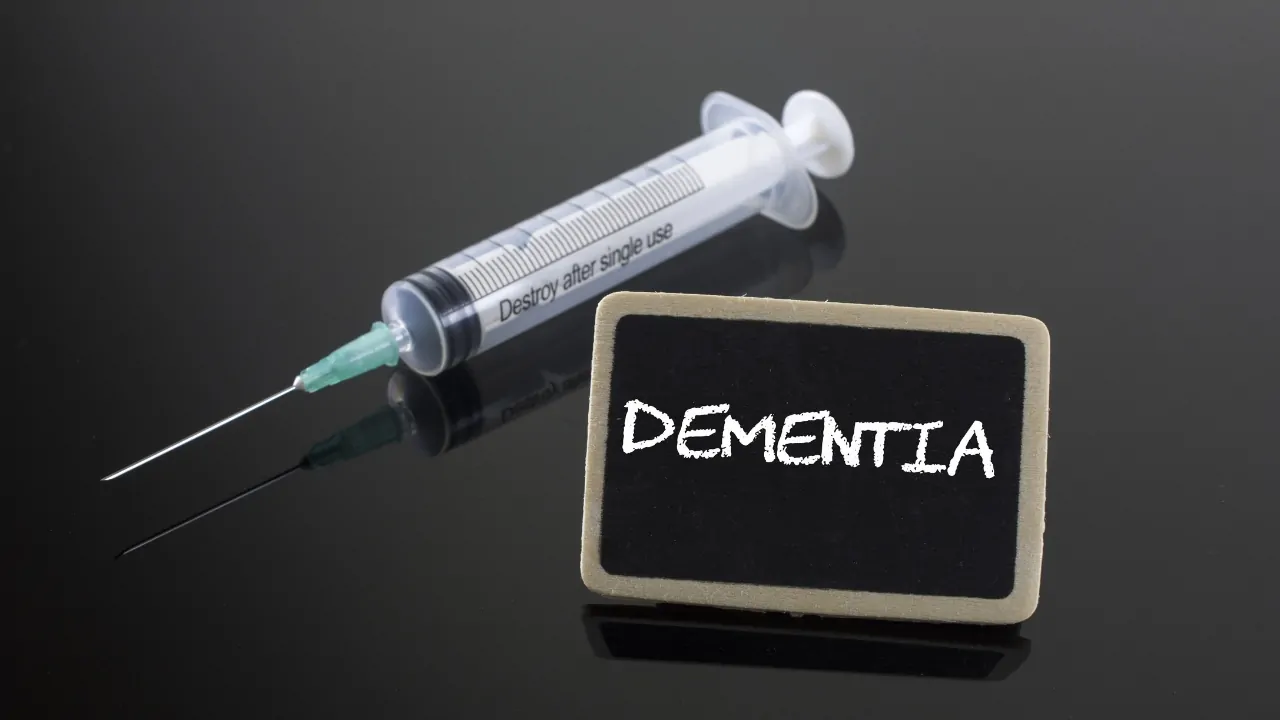
A shingles vaccine now recommended for many older adults has been linked with a lower risk of dementia in a large U.S. study, adding fresh weight to one of the most closely watched questions in brain health: can vaccines help cut dementia risk later in life
The study, published in Alzheimer’s & Dementia and reported by U.S. News & World Report, looked at more than 1.5 million Medicare beneficiaries aged 65 and older. Researchers compared 502,845 people who received both doses of the recombinant zoster vaccine, sold as Shingrix, with 1,005,690 unvaccinated people.
During follow-up of up to three years, people who received both doses had a 33 percent lower risk of any dementia diagnosis. The study also found a 28 percent lower risk of Alzheimer’s disease and a 33 percent lower risk of vascular dementia.
The findings do not mean doctors can now call Shingrix a dementia vaccine. The shot is approved to prevent shingles, a painful illness caused by reactivation of the varicella-zoster virus.
The dementia result comes from health records, so researchers still have to rule out other explanations, including differences in medical care, education, physical activity, and other factors that were not fully captured in the data.
Table of Contents
ToggleWhy A Shingles Shot Is Being Studied For Dementia
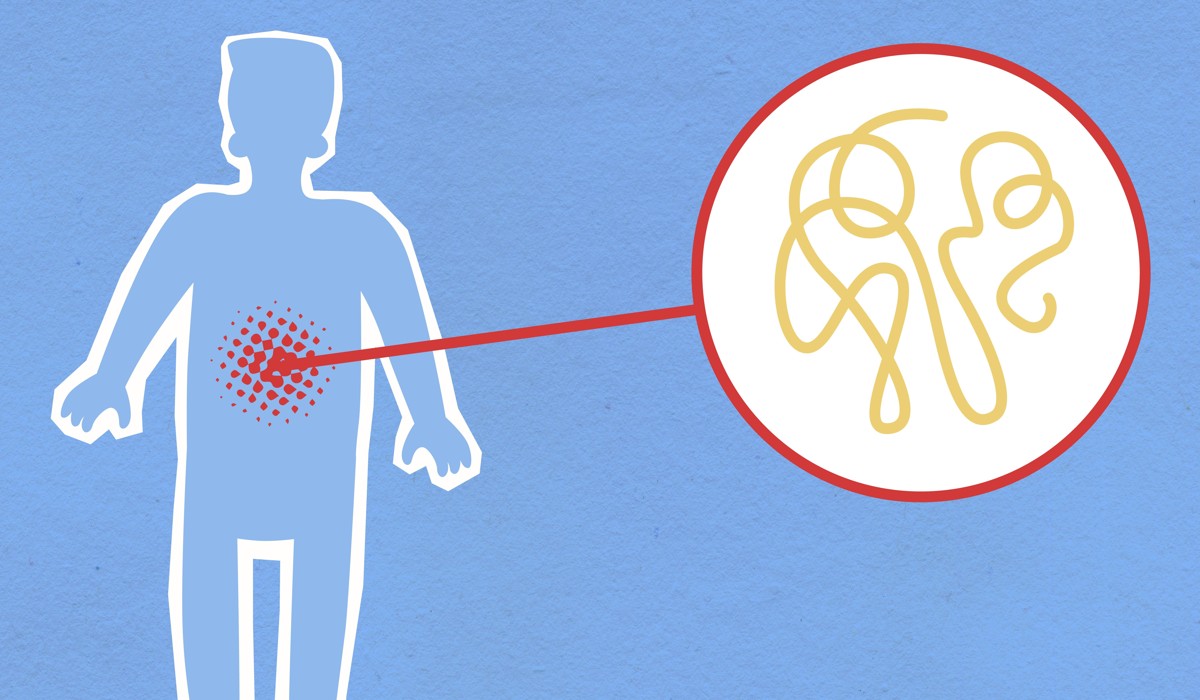
The interest in shingles vaccination comes from a simple biological question. The virus that causes shingles can stay dormant in the body for decades. When it reactivates, it can trigger pain, inflammation and nerve complications. Researchers want to know whether preventing that reactivation may also reduce stress on the brain.
A separate Nature study gave scientists one of the strongest signals so far. Researchers used health records from Wales, where a vaccine rollout created a sharp age cut-off. People just young enough to qualify for the shingles vaccine could be compared with people almost the same age who were not eligible.
That study found that people who received the older live shingles vaccine had a 20 percent lower relative risk of a new dementia diagnosis over seven years. The design mattered because the two groups were close in age and similar in many other ways, reducing one of the main problems in vaccine research: healthier people may be more likely to get vaccinated in the first place.
The new U.S. study looks at Shingrix, the newer recombinant vaccine now widely used in many countries. Taken together, the Wales data and the Medicare data give researchers a clearer reason to test whether the link is causal.
No Approved Dementia Vaccine Yet
There is still no approved vaccine that prevents dementia or Alzheimer’s disease. The new research does not change that.
What has changed is the quality and volume of evidence around routine adult vaccines. A recent Gavi review found that several large observational studies have linked adult vaccination with lower dementia risk, with the most developed evidence around shingles, flu, RSV, pneumococcal, and DTP-containing vaccines.
Scientists are considering two possible explanations. Vaccines may reduce infections that can cause inflammation affecting the brain. They may also change the immune response in a broader way, making the body less likely to produce damaging inflammation as people age.
Neither explanation has been proved yet. The next step is harder research, including trial designs that can show whether vaccination itself reduces dementia risk, rather than simply appearing more common among people who were already healthier.
Alzheimer Vaccine Trials Remain At An Early Stage
Separate from the shingles findings, researchers are testing vaccines designed to target the biology of Alzheimer’s disease itself.
One early study listed on ClinicalTrials.gov is testing AV-1959R, an experimental vaccine aimed at amyloid beta. The Phase 1 trial is studying safety, tolerability, and immune response in healthy adults aged 40 to 60.
Another trial listed on ClinicalTrials.gov is testing AV-1980R, a tau-targeting vaccine in adults aged 65 to 80 who have biomarker signs of preclinical Alzheimer’s disease but no cognitive symptoms.
Phase 1 trials are early human studies. They are designed to check safety and measure whether the immune system responds as expected. They do not show whether a vaccine prevents dementia in the wider population.
What The Findings Mean For Older Adults
For now, the practical message remains limited. Older adults should consider shingles, flu, RSV, and pneumococcal vaccination based on medical advice and current health guidelines, not on a claim that any of those shots can prevent dementia.
The research is important because dementia has few proven prevention tools and no simple cure. A vaccine already given to millions of older adults would be an unusually practical prevention candidate if future trials confirm a protective effect.
Until then, the latest dementia vaccine news is a careful one: scientists have not found a dementia shot ready for public use, but the evidence around shingles vaccination has become too large to ignore.