

Collagen treatments are changing anti-aging by shifting patient goals from “fill the line” to “improve skin structure over time.” In 2026, patients ask for natural movement, better texture, jawline support, neck and hand rejuvenation, plus plans that age well on camera and in real life.
Demand fits a larger aesthetic market: ISAPS reported close to 38 million surgical and non-surgical aesthetic procedures in 2024, including 20.5 million non-surgical procedures performed by plastic surgeons globally, according to its global aesthetic survey.
ASDS also reported in 2025 that 70% of U.S. consumers were considering a cosmetic procedure, based on its consumer procedure survey.
The main change: collagen has become a clinical target and a measurable consultation point.
Why Collagen Is Now Central To Anti Aging
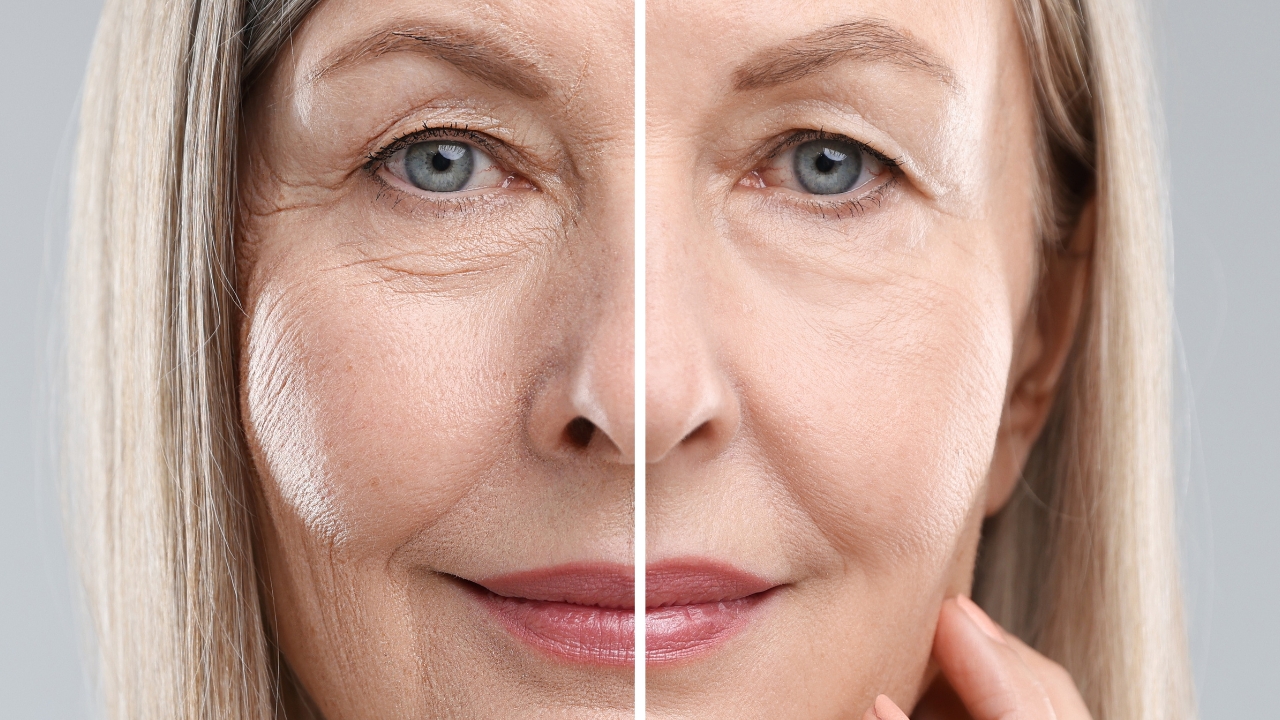
Collagen gives skin much of its firmness, bounce, and resistance to sagging. A 2025 systematic review of clinical studies published from 2014 to 2025 found that type I collagen decline contributes to dermal thinning, loss of elasticity, wrinkles, and sagging.
The same review linked ultraviolet exposure and pollution with collagen degradation through reactive oxygen species and matrix metalloproteinase activity, according to a 2025 collagen review.
For patients, the consultation has changed. Someone in their late 30s may care less about one deep wrinkle and more about early cheek flattening.
Someone in their 50s may ask about skin thickness, neck crepiness, hand volume, or whether a gradual plan can avoid an obvious “worked-on” look. Photos at baseline, 8 weeks, 16 weeks, and 6 months now matter more than same-day mirror checks.
What Counts As A Collagen Treatment In 2026?
A collagen treatment is any in-office procedure, injectable, device, or supervised product plan meant to stimulate, preserve, or replace collagen-related support in skin.
Treatment Type
Main Goal
Typical Expectation
Key Limitation
Microneedling or RF microneedling
Healing response
Smoother texture, mild firming, scar improvement
Several sessions
Poly-L-lactic acid, such as Sculptra
Gradual collagen stimulation
Soft volume and longer timeline
Reversal is difficult
Calcium hydroxylapatite, such as Radiesse
Support plus biostimulation
Folds, hands, jawline, décolleté
Technique-sensitive
Lasers, peels, light devices
Surface repair or preservation
Brighter tone, smoother skin
Evidence varies by device
Microneedling shows the shift clearly. Cleveland Clinic describes it as a minimally invasive procedure that uses thin needles to create tiny openings in the top layer of skin, stimulating collagen and elastin during healing.
Many people need multiple treatments over several months for a desired result, according to Cleveland Clinic guidance.
View this post on Instagram
The American Academy of Dermatology says red or near-infrared light is used for signs of aging, such as wrinkles, age spots, and sagging skin, often as a complementary therapy within a broader plan.
AAD also cautions that device strength and study designs vary, so results are hard to compare across products, as noted in its red light therapy overview.
Biostimulators Changed The Filler Conversation
Biostimulators changed expectations because they do more than occupy space. Hyaluronic acid filler remains useful for targeted contour and volume. Collagen stimulators train patients to think in phases: correction, remodeling, maintenance.
Sculptra is a leading example. FDA information describes Sculptra as a gel implant or dermal filler made with poly-L-lactic acid (PLLA), used for the correction of fine lines and wrinkles in the cheek region among immunocompetent patients.
In a clinical study cited by the FDA, patients received up to four injections for the best outcome, and results may last up to 24 months, based on the Sculptra approval summary.
NCBI’s StatPearls review describes PLLA as absorbable and semi-permanent, with gradual collagen formation. It also notes that a series of injections at 3 to 6-week intervals is recommended for maximal correction, and that PLLA has no antidote that dissolves it after placement, according to the StatPearls PLLA review.
Radiesse adds a different model. Current provider information states that Radiesse and Radiesse (+) are FDA-approved for adults aged 22 and older for correction of moderate to severe facial wrinkles and folds, such as nasolabial folds.
The same source lists hand volume loss, jawline contouring, and diluted Radiesse for décolleté wrinkles among approved uses, according to Radiesse provider information.
Product choice is anatomy-dependent. A cheek, jawline, temple, hand, and neck age differently. Collagen stimulation has to match tissue thickness, movement, blood supply, prior filler, planned surgery, and tolerance for downtime.
Why Natural Results Became The New Luxury
Natural-looking anti-aging now means proportional change with visible improvement. Patients still want results. They just want skin and facial movement to look coherent.
Strong consultations now focus on skin quality, staged change, and zone planning. Texture, pores, crepiness, cheeks, jawline, neck, chest, and hands are often considered together.
ASDS data helps explain why provider trust matters: its 2025 survey found that dermatologists had ranked as the leading influence on cosmetic procedure and skin care decisions since 2018, while cost, pain, safety, side effects, and concern about poor results remained hesitation points, according to its procedure decision survey.
Where Plastic Surgery Fits Into Collagen Planning
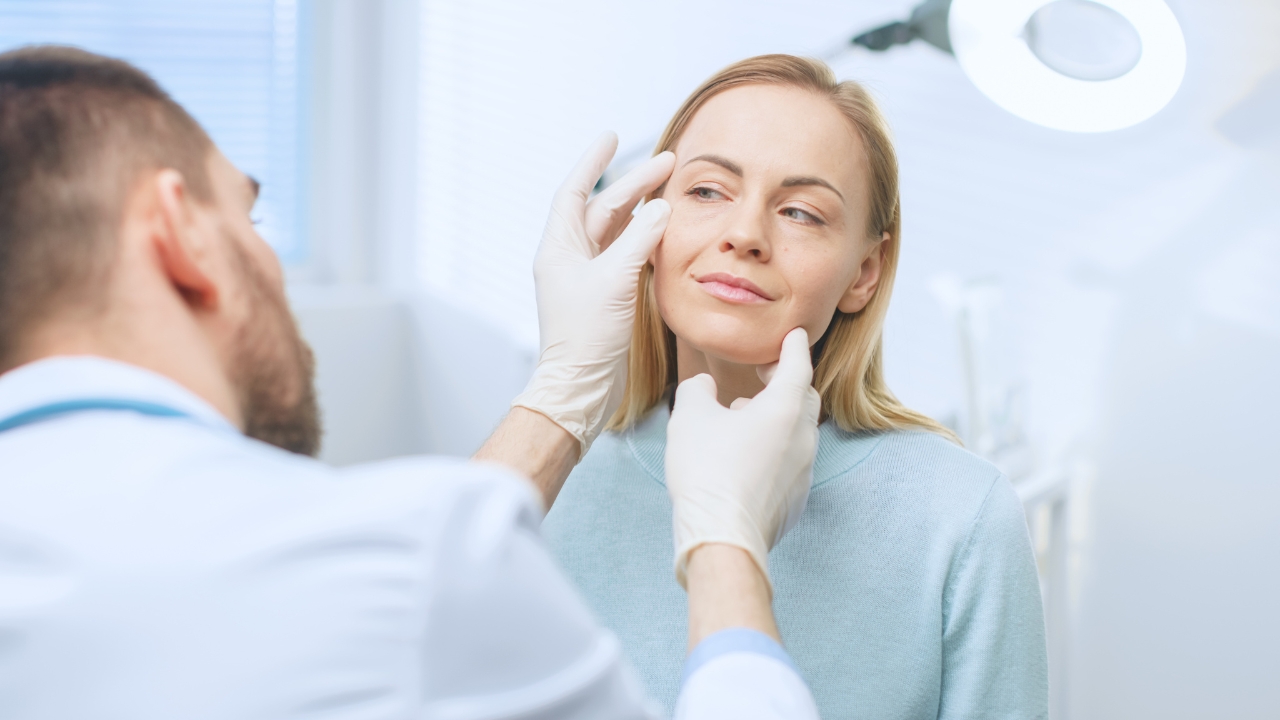
Plastic surgery still matters because collagen stimulation cannot reposition every layer of aging tissue. Loose eyelid skin, advanced jowling, heavy neck bands, breast changes, and abdominal laxity may need surgical evaluation.
ISAPS reported that eyelid surgery became the most common surgical aesthetic procedure globally in 2024, and face and head procedures grew by 4.3% from the previous year.
Collagen treatments now sit earlier in the decision path. A patient researching a facelift, eyelid procedure, neck lift, or body contouring may also ask whether skin quality can be improved before surgery or maintained after healing.
Clinics that offer modern plastic surgery solutions can help patients compare surgical correction, injectable collagen stimulation, resurfacing, and maintenance care without treating every concern as a filler problem.
A layered plan often makes more clinical sense. Surgery can reposition or remove tissue. Collagen stimulation can support texture, firmness, and gradual volume refinement. Laser or microneedling can improve surface irregularity. Sunscreen, retinoids, and follow-up visits help protect the investment.
Safety Expectations Are Higher Now
People who opt for cosmetic face filler injections are being warned that there could be severe complications including skin damage, blindness or stroke. pic.twitter.com/d0LvMHPl0Y
— Channel 4 News (@Channel4News) December 3, 2025
A responsible collagen treatment plan starts with medical risk before price. The FDA warns that the most serious dermal filler risk is accidental injection into a blood vessel, which can cause skin necrosis, stroke, or blindness, with serious complications potentially permanent, according to its dermal filler safety guidance.
The FDA also warns that injectable silicone is not approved for any aesthetic procedure, including facial or body contouring, and may cause long-term pain, infection, scarring, permanent disfigurement, embolism, stroke, or death, according to its soft tissue filler guidance.
A good consultation should cover medical history, allergies, scarring history, product name, material type, placement depth, number of sessions, expected downtime, photo review, and urgent symptoms such as severe pain, skin color change, vision change, or unusual swelling.
What Patients Should Expect From Collagen Treatments
Patients should expect improvement with realistic limits. Results vary by age, hormones, sun damage, smoking history, weight change, and baseline tissue support.
Time After Treatment
Likely Experience
Same day to 1 week
Swelling, redness, bruising, early contour change
4 to 8 weeks
Early texture or firmness change
3 to 6 months
More meaningful collagen remodeling for many protocols
12 to 24 months
Maintenance decisions for select biostimulators
The best candidates usually accept gradual improvement, follow aftercare, avoid bargain injections, and choose a qualified clinician over a trend.
Weak candidates usually seek instant transformation, exact celebrity copying, or guaranteed symmetry.
Summary
@aylennpark are you guys skin treatment girlies?! My mom and I are🤭 and the best ones, thermage, Rejuran, ulthera, stem cell, are all about stimulating collagen production!! And @SUNGBOON EDITOR has an entire line dedicated to just collagen😍 both the serum and the mask are on sale rn for Amazon prime day (that ends today) so if you want the link just comment “collagen” and I’ll send it over to you!! #SungboonPartner #koreanskintreatment #skincare #glowyskin ♬ original sound – Aylen Park
Collagen treatments are changing anti-aging because patients now expect biology, timing, and safety to be part of the result. Sculptra, Radiesse, microneedling, resurfacing, and plastic surgery planning all belong in the same conversation when used with clear indications.
In 2026, the smartest anti-aging plan is a staged clinical strategy: protect collagen, stimulate repair, correct structure when needed, and measure results over months instead of minutes.
Read Next: New Study Says Humans Could Reach 156 Years