


Most marriages do not end because of one argument or a bad month in a relationship. People who divorce usually describe a chain of problems that developed together: commitment weakened, arguments stopped producing solutions, trust was damaged, money became a source of pressure, or expectations about family life never matched.
National statistics can tell us how many marriages and divorces occur, but the government does not ask every divorced couple a standard question about why the marriage ended. The most useful national ranking still comes from a survey of 1,503 American adults published by the National Fatherhood Initiative in 2005. Among the 417 respondents who had divorced, 73.2% identified a lack of commitment as a major reason, 55.6% selected excessive conflict and arguing, and 54.6% selected infidelity.
Those findings remain relevant in 2026, but they need to be read correctly. Respondents could select several answers, so the percentages do not add up to 100%. The survey records what divorced people believed contributed to their marriages ending; it does not prove that any single factor caused a specific divorce.
More recent research supports the same broad pattern. A peer-reviewed study of 52 divorced people found that lack of commitment, infidelity and conflict were again the three most frequently reported contributors. The sample was small and consisted of people who had taken the same premarital education program, so its exact percentages should not be projected onto every U.S. marriage. Its value lies in the consistency of the ranking and in the detailed accounts participants gave about how their relationships deteriorated.
Key Findings
- Lack of commitment was the most commonly selected reason in the national survey, reported by 73.2% of ever-divorced respondents.
- Too much conflict and arguing followed at 55.6%, while infidelity was close behind at 54.6%.
- Several problems often appeared in the same marriage. Financial strain could intensify conflict, while conflict and emotional distance could precede infidelity or a loss of commitment.
- The latest complete CDC totals available in 2026 record 2,041,926 marriages and 672,502 divorces or annulments in 2023. The divorce total covers 45 reporting states and Washington, D.C., not the entire country.
- The U.S. divorce rate has declined over the long term, even as divorce among older adults has become more common.
The Most Common Reasons Americans Divorce
| Rank | Major Reason | Share of Ever-Divorced Respondents |
|---|---|---|
| 1 | Lack of commitment | 73.2% |
| 2 | Too much conflict and arguing | 55.6% |
| 3 | Infidelity or extramarital affairs | 54.6% |
| 4 | Getting married too young | 45.7% |
| 5 | Unrealistic expectations | 45.3% |
| 6 | Lack of equality in the relationship | 43.7% |
| 7 | Little or no helpful premarital preparation | 41.1% |
| 8 | Domestic violence | 29.1% |
| 9 | Financial problems or economic hardship | 28.4% |
| 10 | Conflict over housework or childcare | 21.6% |
| 11 | Lack of support from family members | 18.7% |
| 12 | Religious differences | 13.2% |
The list describes major reasons selected by respondents, not mutually exclusive legal grounds. A person could report commitment, infidelity and arguing in the same divorce. Ranking the answers is useful, but treating each percentage as an isolated cause misses how marital breakdown usually unfolds.
Divorce Statistics in the United States in 2026
The Centers for Disease Control and Prevention recorded 2,041,926 marriages, equal to 6.1 marriages per 1,000 residents. Reporting jurisdictions recorded 672,502 divorces and annulments, equal to 2.4 per 1,000 residents.
The divorce count excludes five states that did not provide figures, so it should not be divided by the full U.S. population or described as every divorce in America.
Readers looking for the longer historical series and state comparisons can see our analysis of divorce rates in the United States.
A second measure based on the American Community Survey offers a more current view of people at risk of divorce. The National Center for Family and Marriage Research calculated that 14.2 women divorced per 1,000 married women in 2024, down slightly from 14.4 in 2023. The ACS estimated that 986,810 women had divorced during the previous 12 months.
The CDC and ACS numbers are not interchangeable. The CDC counts legal events reported by participating jurisdictions and divides them by the total population. The ACS asks people about divorce during the previous year and can produce a rate among married people, the population actually exposed to the possibility of divorce. Both show that divorce is common, but neither supports a simple claim that exactly 41% or 50% of marriages being formed today will eventually end.
Long-term risk depends on when the marriage began, the age and education of the spouses, whether it is a first or later marriage and how long researchers follow the couple. The national divorce rate has fallen substantially from its late-20th-century peak, driven in part by later marriage and declining divorce among younger adults.
The pattern is different later in life: our examination of divorce after age 65 shows how retirement, pensions and estate planning have become a larger part of modern divorce.
1. Lack of Commitment
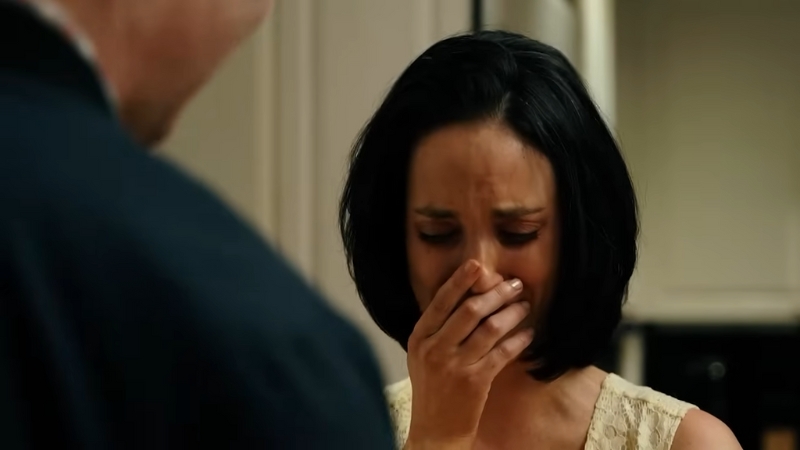
Lack of commitment was selected by 73.2% of divorced respondents, far more than any other answer in the national survey. A separate summary of divorce research published by the Minella Law Group reports the same general result, but the original survey provides the stronger evidence.
Commitment is an imprecise phrase. For some people it means that a spouse stopped trying to repair the relationship. For others it describes years of emotional withdrawal, repeated threats to leave, refusal to discuss problems or a decision to invest more energy in work, friends or another relationship than in the marriage.
The smaller peer-reviewed study found that commitment often eroded gradually until one partner no longer believed the marriage could be repaired. In other cases, commitment collapsed after a specific event such as an affair. That overlap explains why commitment should not be treated as a diagnosis separate from everything else on the list.
Couples who recognize the problem early may still have room to act. Useful signs include avoiding time together, treating every disagreement as evidence that the marriage was a mistake and refusing repeated attempts to discuss the future. Counseling cannot make an unwilling partner participate, but it can clarify whether both people want to repair the relationship and what each person is prepared to change.
2. Too Much Conflict and Arguing

Excessive conflict and arguing was selected by 55.6% of respondents in the national survey. The later study reported a similar individual rate of 57.7%; at least one partner mentioned conflict in 72.2% of the 36 couples for whom researchers had information from both former spouses.
The important distinction is not whether a couple argues. Nearly every close relationship includes disagreement. Risk rises when arguments become repetitive, contemptuous or frightening and never produce a workable decision. Couples may fight about different topics while repeating the same underlying exchange: one partner pushes for engagement, the other withdraws, frustration rises and both leave the conversation feeling ignored.
Participants in the research described small disputes becoming larger and more hostile over time. Many also reported losing the positive contact that once helped them recover after a disagreement. Repair matters as much as conflict itself. An apology, a pause before escalation and a return to the issue at an agreed time can keep one bad conversation from becoming a permanent pattern.
3. Infidelity
A post shared by CAPSULE (@capsule_nz)
Infidelity was reported by 54.6% of ever-divorced respondents in the national survey and 59.6% of individuals in the smaller peer-reviewed study. In the latter research, an affair was also the most common event described as the final straw.
A clinical review of infidelity places estimates of marital infidelity within a broad range, partly because studies define affairs differently and people may not disclose them. Sexual contact, sustained emotional intimacy and secret online relationships can carry different boundaries in different marriages.
The affair is sometimes the decisive breach in an otherwise functioning marriage. In other cases it occurs after years of distance or unresolved conflict. Context may help explain what happened, but it does not remove responsibility for deception. Betrayed partners commonly report intrusive thoughts, anxiety, anger and difficulty trusting their own judgment. Clinician Joni Ogle describes betrayal, resentment and damaged trust among the psychological consequences that make recovery difficult.
Some couples remain together after infidelity, but reconciliation generally requires the affair to end, honest disclosure within appropriate boundaries and a sustained willingness to rebuild trust. Immediate pressure to forgive usually works against that process.
4. Getting Married Too Young

Getting married too young was selected by 45.7% of divorced respondents. Age can matter because the late teens and early twenties often bring rapid changes in education, work, finances, identity and plans for children. A couple who fits well at 19 may discover at 27 that each person expected a different adult life.
The strongest concern applies to teenage marriage, which has consistently been associated with greater marital instability. The evidence becomes less simple after the early twenties. An analysis of age at first marriage and marital quality argues that postponing marriage beyond the mid-twenties does not automatically improve relationship quality.
Age also stands in for other circumstances. People marrying young may have less financial independence, shorter courtships, an unplanned pregnancy or fewer examples of healthy conflict resolution. Readiness is therefore more useful than a universal ideal age. Couples should know how the other handles money, anger, family boundaries, work changes and decisions about children before treating a wedding as proof that those questions will solve themselves.
5. Unrealistic Expectations
The biggest reason for divorce or failed marriages is not infidelity, death of a child or lack of finances etc
The biggest cause of divorce is UNCOMMUNICATED EXPECTATIONS.
People have unrealistic expectations of what a husband or wife should be or do and do not communicate.— Mr. Robert (@iAm_Vinee) October 5, 2024
Unrealistic expectations were selected by 45.3% of divorced respondents. An alternate copy of the full national survey report shows that the question covered expectations held by either spouse, not merely disappointment with the former partner.
Problems arise when an assumption is both important and unspoken. One spouse may expect shared finances while the other expects separate accounts. One may assume children are part of the plan while the other remains uncertain. Expectations may also concern sex, religion, career moves, time with extended family, cleanliness or how much independence a married person should retain.
A marriage cannot provide uninterrupted happiness or eliminate loneliness, financial pressure and personal insecurity. Partners also cannot reliably satisfy standards they have never heard. Conversations about ordinary life are often more revealing than conversations about the wedding: who handles a sick child at 2 a.m., whether a parent can move into the home and what happens when a job offer requires relocation.
6. Lack of Equality
Lack of equality was selected by 43.7% of ever-divorced respondents, making it one of the most common answers in the original survey even though it was missing from the previous version of this list.
Inequality can involve money, decision-making, domestic work, sexual autonomy or freedom to maintain friendships and a career. Equal does not require every task to be divided in half every day. It means both partners have a meaningful voice and neither person’s time, safety or ambitions are routinely treated as less important.
Resentment often grows when a temporary imbalance quietly becomes permanent. A spouse may take on more childcare during a job transition, for example, but the arrangement becomes corrosive if the couple never revisits it and the extra labor is treated as an entitlement rather than a contribution.
7. Inadequate Preparation for Marriage

Little or no helpful preparation for marriage was selected by 41.1% of divorced respondents. The figure is repeated in many secondary collections of divorce statistics and facts, but it originates in the national survey rather than in court records.
Preparation does not mean predicting every hardship. It means discussing the decisions that repeatedly bring couples into conflict and learning how to handle disagreement before the stakes are high. Topics include debt, credit, budgeting, children, fertility, religion, household work, boundaries with relatives, career priorities and expectations for intimacy.
Premarital counseling can expose a serious incompatibility as easily as it can strengthen a relationship. Discovering before the wedding that two people have irreconcilable plans is not a failure of counseling. It is useful information delivered before marriage makes separation legally and financially harder.
8. Domestic Violence
A post shared by DivorceCoalition (@divorcecoalitionpage)
Domestic violence was selected by 29.1% of divorced respondents. Abuse is not an ordinary communication problem and should not be treated as a disagreement for both partners to solve together. It can include physical violence, sexual coercion, stalking, threats, isolation, financial control and monitoring of a partner’s phone or movements.
Research on children’s exposure to violence, including a national survey published by the Office of Juvenile Justice and Delinquency Prevention, shows why safety decisions must account for children who see, hear or otherwise experience abuse in the home. An older Violence Policy Center report on murder-suicide also illustrates the lethal risk in some intimate-partner cases. Murder-suicide data should not be confused with the percentage of divorces involving violence, but it makes clear why leaving can require careful planning.
Someone in immediate danger should call 911. The National Domestic Violence Hotline can be reached at 800-799-SAFE, through online chat or by texting START to 88788. Internet activity may be monitored by an abusive partner, so survivors should use a safer device when possible.
Couples therapy may be inappropriate when one partner is afraid of the other or when information disclosed in a session could lead to retaliation. Individual support, legal advice and a personalized safety plan take priority.
9. Financial Problems

Financial problems or economic hardship were selected by 28.4% of divorced respondents. A separate survey of divorce financial analysts placed money disagreements behind basic incompatibility and infidelity, illustrating how rankings change with the people being questioned.
Money arguments are rarely only about arithmetic. Debt may be experienced as secrecy, an unequal contribution as disrespect, and strict control of an account as a loss of independence. Research examining the relationship between financial disagreements and divorce found that money conflicts were associated with divorce more strongly than several other common subjects of disagreement.
Financial strain and financial incompatibility are related but different. A household can have little money while both spouses agree on priorities, or a high income while partners hide purchases and fight over risk. The practical questions are whether both people know what the household owes, have access to essential accounts and can make major decisions without deception or intimidation.
Money can also be used as leverage after separation. Advice concerning financial threats during divorce emphasizes documenting assets and obtaining independent professional guidance when one spouse controls the records. A financial adviser can help value property, but only a qualified attorney can provide legal advice about rights and obligations in a particular state.
10. Conflict Over Housework and Childcare
Conflict about housework or childcare was selected by 21.6% of respondents. Research on the division of household labor has repeatedly linked perceptions of fairness with relationship satisfaction, particularly when both spouses work for pay.
The issue is larger than the number of dishes washed. Planning meals, noticing that medicine is running out, scheduling appointments and tracking school requirements create a mental workload that is easy to overlook. Conflict becomes more likely when one spouse completes visible tasks only after being told what to do while the other remains responsible for noticing, assigning and checking everything.
The disruption documented during the COVID-19 pandemic made those pressures easier to see as paid work, schooling and caregiving collided inside the home. The underlying imbalance did not begin with the pandemic and did not disappear when restrictions ended.
A frequently misquoted 2016 study does not show that an unequal share of housework is one of the strongest modern predictors of divorce. The American Sociological Review analysis found that, for marriages formed after 1975, a wife’s share of household labor was not associated with divorce risk after the researchers accounted for other factors. A husband’s lack of full-time employment was associated with higher risk. The result is a reminder that dissatisfaction, labor arrangements and divorce do not reduce to one simple rule.
11. Lack of Family Support
US has divorce rates of almost 50%
& as per forbes study, Lack of family support is the most common reason for divorce.
So, No @geetbhatinda Western countries could be happier for many reasons, but no “saas-sasur” drama isnt one of it https://t.co/VrmMsorm5a pic.twitter.com/6Tf6lV1xP1
— Kaali Goli (@darkandcrude) February 10, 2024
Lack of support from family members was selected by 18.7% of respondents in the national survey. A separate poll summarized by EJJ Law reported a higher figure of 43%. Different wording, samples and survey methods can produce very different results, which is why percentages from separate polls should not be combined into one ranking.
Family support can mean practical help with children, emotional support during illness or simply respect for the couple’s boundaries. Too little support can leave spouses isolated. Too much involvement can produce another problem when relatives interfere with parenting, money or decisions that belong to the couple.
Families raising a child with a disability may face additional appointments, expenses and caregiving demands, but claims that 80% or 90% of those parents divorce are not reliable national statistics. Research on marital outcomes among parents of children with developmental disabilities finds a more complicated picture that varies by diagnosis, family circumstances and the period studied.
12. Religious Differences

Religious differences were selected by 13.2% of divorced respondents, placing them last among the 12 answers in the national survey. Religion can still become decisive when spouses disagree about raising children, worship, holidays, dietary rules, family expectations or whether either partner should convert.
Relationship-counseling material associated with Kevin L. Ogle emphasizes that value differences become especially difficult when partners cannot discuss them respectfully. The risk does not come merely from belonging to different faiths. Contempt, coercion and refusal to negotiate are more damaging than the label attached to either person’s beliefs.
Figures claiming a single nationwide divorce rate for every Christian interfaith marriage, such as numbers repeated in some legal marketing summaries of Christian divorce, should be treated cautiously unless the underlying sample and definition are provided. Religious identity, attendance, age and community involvement can all affect the comparison.
An observational study from the Harvard Human Flourishing Program found an association between regular service attendance and a lower later risk of divorce. Attendance may provide shared routines and community support, but observational findings cannot prove that attending services by itself prevents divorce.
Why Different Studies Produce Different Rankings
There is no universal answer to the question because researchers do not all ask it in the same way. A checklist encourages people to select several contributors. An open-ended interview may capture only the issue that comes to mind first. Asking for a “major reason” can produce a different answer from asking about the “final straw.”
In one earlier open-ended study discussed in the peer-reviewed literature, infidelity led the responses at 21.6%, followed by incompatibility at 19.2% and alcohol or drug use at 10.6%. Another study of divorcing parents found growing apart, inability to talk and disagreement over money among the leading answers.
Culture also affects both relationships and the language people use to describe their endings. A 2019 study of divorced people in Denmark emphasized lack of love and intimacy, communication problems, loss of sympathy and respect, and growing apart. Those themes overlap with the U.S. categories even though the labels and ranking differ.
What the Numbers Can and Cannot Tell Us
The percentages describe retrospective reports. Memory changes, former spouses may understand the same events differently and people tend to assign more responsibility to an ex-partner than to themselves. In the 2013 study, agreement between former spouses was especially low for infidelity, even when at least one partner reported it.
Legal divorce records offer little help in identifying the underlying story. Every state permits some form of no-fault divorce, so a petition may cite an irretrievable breakdown or irreconcilable differences even when violence, an affair or financial deception preceded the filing.
Several answers can also describe different stages of one process. Unrealistic expectations may lead to disappointment. Disappointment may become recurring conflict. Conflict may produce withdrawal, which one spouse describes as lack of commitment. An affair may then become the final event, even though neither spouse would say it was the only problem.
Methodology
The ranking in this article comes from the National Fatherhood Initiative’s national telephone survey, conducted in late 2003 and early 2004 and published in 2005. The full sample included 1,503 adults. The question about major reasons for divorce was answered by respondents who had experienced a divorce, with 417 reporting how many times they had divorced and slightly different response totals for individual questions.
Respondents were read a list and allowed to select every factor they considered a major reason their first marriage failed. Multiple selection is why the percentages exceed 100% when added together. “Lack of equality,” reported by 43.7%, is included here because it appeared in the original questionnaire and ranked sixth.
Current national context comes from CDC provisional marriage and divorce totals for 2023 and American Community Survey estimates for 2024. Older studies and professional surveys are used to explain particular subjects, not to claim that their samples represent every divorce occurring in 2026.
Frequently Asked Questions
What is the most common reason for divorce in the United States?
Lack of commitment is the most commonly reported reason in the major national survey, selected by 73.2% of ever-divorced respondents. Conflict and infidelity followed at 55.6% and 54.6%.
Does half of every new marriage end in divorce?
No current federal statistic shows that exactly half of marriages beginning today will end in divorce. Lifetime estimates depend on the marriage cohort, length of follow-up and characteristics of the spouses. Annual divorce rates have declined over recent decades.
Are financial problems the leading cause of divorce?
Money is an important source of stress, but it did not rank first in the national survey. Financial problems were selected by 28.4% of respondents, placing ninth among the 12 listed factors.
Is infidelity always the final reason a marriage ends?
No. Infidelity may be the decisive event, but many people report that conflict, distance or commitment problems already existed. Some couples remain married after an affair, while others decide the breach cannot be repaired.
Can counseling prevent divorce?
Counseling can help willing partners identify patterns, communicate more clearly and make informed decisions. It cannot guarantee that a marriage will continue, and joint counseling may be unsafe when coercion or domestic violence is present.