
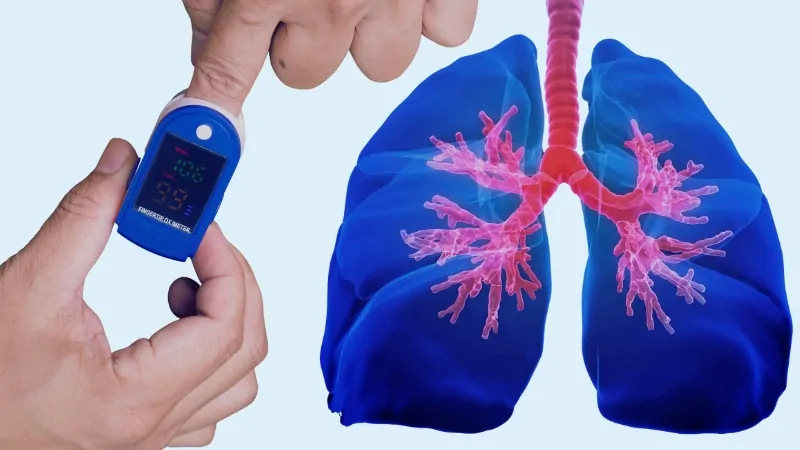
Blood oxygen saturation, or SpO2, tells you how much oxygen your red blood cells are carrying. A healthy adult at sea level will usually read between 95% and 100%, according to StatPearls.
People with chronic lung disease or those living at higher elevations can sit below that range without being in immediate danger. Chasing 99% is usually pointless. Pay more attention to your usual reading on a day you feel well and to a drop that persists after you repeat the measurement correctly.
Several things can make breathing easier, improve ventilation or support circulation. A smaller group can directly raise oxygen availability when a medical condition has pushed SpO2 down. Knowing which situation you are dealing with is more useful than trying every trick on the list.
1. Slow Down Your Breathing and Fill Your Lungs More Fully

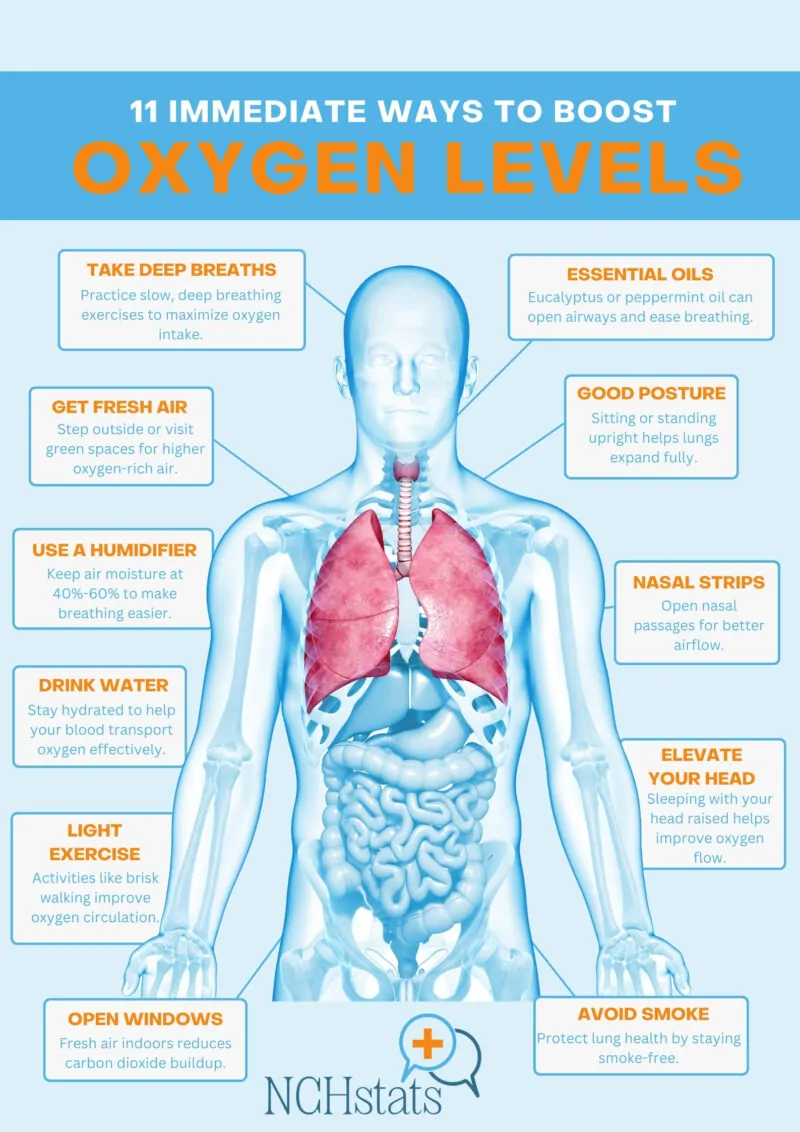
Fast, shallow breathing can leave you feeling as if you cannot get a satisfying breath even when oxygen saturation is normal. Slowing the respiratory rate gives each breath more time and is especially useful when anxiety, exertion or COPD has pushed breathing into a rapid rhythm.
Pursed-lip breathing is one of the better-studied techniques in COPD. A relaxed breath through the nose followed by a longer exhalation through gently pursed lips can reduce breathlessness and, in some patients, improve ventilation during activity.
The effect is not identical in everyone. Breathing exercises are best treated as a way to control ventilation rather than a guaranteed method for turning a 96% reading into 99%.
“Deep breathing exercises can help increase your oxygen levels by helping you to breathe more deeply and efficiently,” says Paul Daidone, MD, a physician board-certified in internal medicine and addiction medicine.
2. Step Outside When Indoor Air Feels Stale
A closed room can collect cooking fumes, smoke, cleaning chemicals, dust and pollutants from indoor sources. Walking outside removes you from that exposure and often feels better within minutes.
Your pulse oximeter may barely move, and that does not mean the change was useless. Cleaner air can reduce irritation and make breathing feel easier without producing a dramatic rise in blood oxygen.
Kim, Chen, Zhou and Huang reviewed the links between air pollutants and respiratory disease in Chronic Diseases and Translational Medicine. Their review describes how particulate pollution, ozone, nitrogen dioxide and other pollutants can affect the developing and adult respiratory system.
Outdoor air can also be worse than indoor air. Wildfire smoke, heavy traffic pollution and high pollen levels are all reasons to stay inside with cleaner filtered air rather than assuming that outside always means healthier.
3. Use a Humidifier When Dry Air Irritates Your Airways
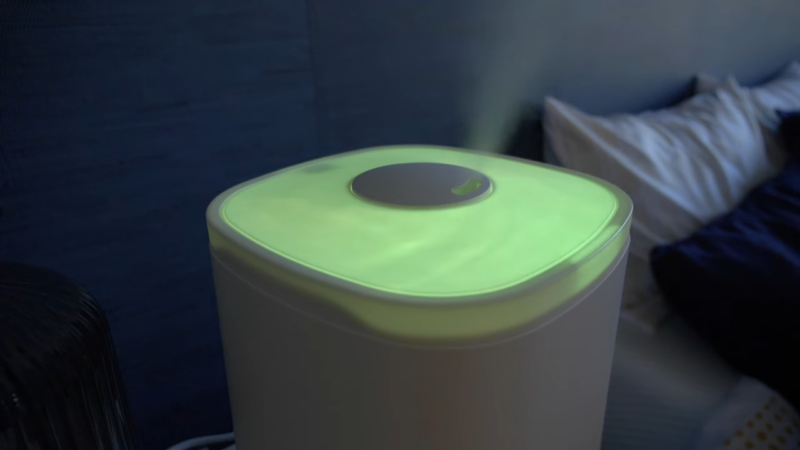
Dry indoor air can irritate the nose and throat, especially during winter heating. Adding moisture can reduce dryness and make every breath feel less harsh.
A humidifier does not increase the concentration of oxygen in the room. Its role is comfort and moisture control, so it should not be treated as a fix for a genuinely low SpO2 reading.
The EPA recommends keeping indoor relative humidity between 30% and 50%. Push the room much higher for long periods and mold and dust mites become a bigger respiratory concern than dry air.
A Cochrane review led by Katarzyna Byber examined indoor humidification for dryness symptoms and respiratory infections. The evidence was not strong enough to turn humidification into a general respiratory treatment, but it remains useful for people bothered by dry indoor air.
Cleaning the machine is just as important as filling it. Standing water and dirty components can spread microorganisms or minerals back into the room.
4. Drink Enough Water

Water supports circulation, but drinking a glass does not work like supplemental oxygen. Watanabe and colleagues found that dehydration reduced stroke volume and cardiac output during exercise because cardiac filling and venous return were impaired. Their 2020 physiology study was about circulation during dehydration, not an instant rise in SpO2 after drinking.
Regular hydration also helps keep respiratory secretions easier to clear. That is useful when mucus is thick, but it should not be confused with increasing lung capacity.
Oxygen dissolved in drinking water belongs to environmental science, not pulse oximetry. The Government of Northwest Territories explains how dissolved oxygen is measured in lakes and rivers in mg/L. Those readings have no useful connection with the percentage shown on your fingertip.
5. Perform Light Exercise
A brisk walk or easy bike ride raises breathing rate, heart rate and blood flow. Repeated regularly, aerobic activity improves exercise tolerance and makes the cardiovascular system more efficient during physical work.
Exercise is not a rescue treatment for an unexplained low oxygen reading. People with COPD, pulmonary fibrosis and other cardiopulmonary diseases can lose oxygen saturation during exertion, which is why doctors sometimes measure SpO2 during a walking test.
Anyone who becomes dizzy, unusually weak, confused or severely short of breath during activity should stop. Trying to exercise through those symptoms to raise the number on a pulse oximeter is the wrong response.
Long-term training changes several cardiovascular measurements even when resting SpO2 barely changes. Our heart rate variability chart by age explains another number people use when tracking cardiovascular recovery.
Harvard Health also covers the effect of physical activity on stress and mood. Feeling calmer or more alert after a walk does not prove that blood oxygen has risen.
6. Open Your Windows When Outdoor Air Is Cleaner

Opening a window is mainly a ventilation measure. Outdoor air entering the room can dilute pollutants produced by cooking, cleaning products, combustion and other indoor sources.
The benefit depends on what is outside. Traffic exhaust, wildfire smoke or another pollution episode can turn the same open window into a source of contaminants.
The federal SFTool indoor-air guidance discusses ventilation as part of indoor-air control. There is no universal five-minute rule because room size, wind, window area and the number of people inside all affect air exchange.
7. Be Careful With Essential Oils
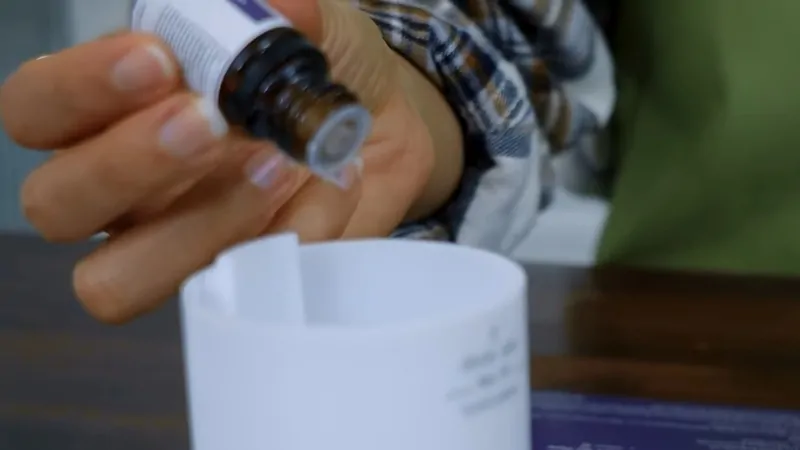
Peppermint and eucalyptus have a long association with cold and congestion products. Menthol creates a cooling sensation that can make the nose feel more open even when the physical airway has changed very little.
That feeling should not be mistaken for higher blood oxygen. The American Lung Association says evidence for respiratory benefits from essential oils remains limited and warns that concentrated oils can irritate the airways.
People with asthma or COPD need particular care because strong odors can trigger coughing, shortness of breath or bronchoconstriction. The same source notes that menthol can create a false perception that the airway has opened, which becomes risky if it masks worsening respiratory symptoms.
Diffusers sold for respiratory use are consumer products, not treatments for hypoxemia. Undiluted oil should not be inhaled directly for prolonged periods, and coughing, wheezing or chest tightness are reasons to stop using it.
8. Improve Your Posture During the Day
A deeply slumped sitting position changes the way the abdomen, diaphragm and rib cage move. Someone folded over a phone for an hour is physically breathing from a different position than someone sitting upright.
Kyung Woo Kang, Sang In Jung, Do Youn Lee, Kyoung Kim and Na Kyung Lee tested that effect in 50 healthy volunteers. Their 2016 study in the Journal of Physical Therapy Science found significant reductions in forced vital capacity and forced expiratory volume after an hour of smartphone use in a sitting position. The full study is available through PubMed Central.
The participants were young and healthy, so the experiment does not prove that sitting straighter will raise a low SpO2 reading. It does show that posture can change measurable respiratory function.
Healthline lists several posture exercises for prolonged sitting and forward-head posture.
9. Use Nasal Strips When Your Nose Is Blocked
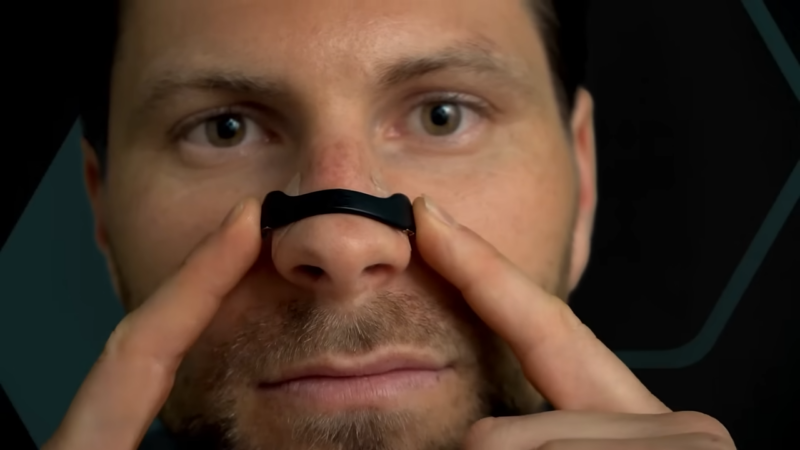
Nasal strips pull gently outward on the sides of the nose. That widens the nasal valve area and can make nasal breathing easier during a cold, an allergy flare or structural narrowing.
Sleep Foundation explains the mechanical effect and why nasal strips are also marketed for snoring.
The benefit stops mainly at the nose. A strip does not correct impaired gas exchange in the lungs, and it should not replace CPAP or another prescribed treatment for obstructive sleep apnea.
10. Elevate Your Head During Sleep

Lying flat can worsen reflux, nasal congestion and some position-dependent nighttime breathing problems. Raising the upper body changes the position of the throat and chest and can improve comfort for selected sleepers.
Medical News Today discusses inclined sleeping in relation to reflux, sleep apnea and several other conditions.
A pile of soft pillows can bend the neck without raising much of the torso. A wedge or adjustable bed gives the upper body a steadier incline.
Someone already using CPAP or another prescribed sleep-apnea treatment should not replace it with bed elevation simply because the position feels more comfortable.
11. Sit or Stand Upright When You Feel Winded
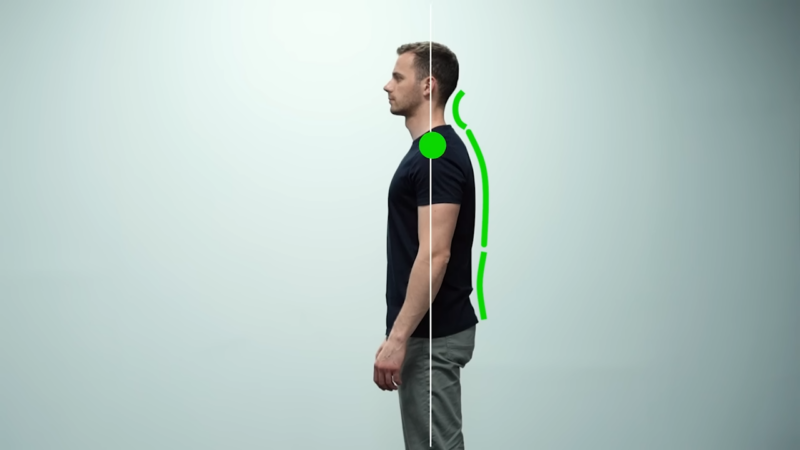
Someone who feels breathless after lying back or folding forward may find breathing easier after sitting upright. The chest has more freedom to expand and the abdomen places less pressure against the diaphragm.
People with COPD also use forward-leaning positions with the arms supported on the knees or a table. Stabilizing the upper body can help the accessory breathing muscles work more effectively.
An older HuffPost article on posture covers several general effects of body position. The controlled smartphone study in the previous section provides the more useful respiratory data.
12. Portable Oxygen Concentrators Can Raise Low Oxygen
A portable oxygen concentrator is different from household breathing measures because it supplies oxygen at a higher concentration than room air.
The machine draws in surrounding air, removes much of the nitrogen and sends concentrated oxygen to the user through a nasal cannula. Doctors prescribe home or ambulatory oxygen after testing confirms that it is needed.
The American Thoracic Society guideline on home oxygen covers long-term and ambulatory treatment for adults with chronic lung diseases including COPD and interstitial lung disease.
Pulse-dose devices release oxygen when inhalation is detected. Continuous-flow machines provide a steady flow. The prescription determines the delivery method and flow setting needed at rest, during activity or during sleep.
A concentrator is not a sensible purchase for self-treating an unexplained low reading. Low oxygen needs a cause, and oxygen itself is a medical treatment.
13. Canned Oxygen Has a Limited Role
Small recreational oxygen cans are marketed to hikers, travelers and athletes. Their most plausible use is at altitude, where falling barometric pressure means each breath delivers a lower partial pressure of oxygen even though oxygen still makes up about 21% of the air.
A Cochrane review of high-altitude illness describes the physiological problem that develops after ascent above roughly 2,500 meters and the risk of hypoxia during rapid travel to higher elevations.
A handheld canister can provide a brief dose of supplemental oxygen, but it contains far less oxygen than medical equipment designed for continuous treatment. It will not explain why someone at sea level keeps getting low readings.
Anyone recording repeated low SpO2 values at ordinary elevation needs the cause assessed rather than repeatedly reaching for recreational oxygen.
14. Hyperbaric Oxygen Therapy Is Used for Specific Medical Conditions
Hyperbaric oxygen therapy places a patient in a pressurized chamber while they breathe pure oxygen. Higher chamber pressure allows much more oxygen to dissolve into the blood and reach tissues than breathing room air at normal atmospheric pressure.
The Mayo Clinic lists uses including decompression sickness, carbon monoxide poisoning, certain nonhealing wounds, gas bubbles in blood vessels and radiation tissue injury.
The more common side effects are usually pressure-related and temporary. Ear discomfort, middle-ear injury, sinus pressure and temporary changes in vision fall into that group. People with diabetes can also experience a drop in blood sugar during treatment, so glucose monitoring can become part of the session.
Serious complications are much less common, but oxygen-toxicity seizures and lung injury are possible. HBOT is performed in a medical facility with pressure control and clinical monitoring for exactly that reason.
The previous $250 to $500 session estimate is too narrow to present as a general price. Cost varies by country, facility, diagnosis, insurance coverage and the number of sessions ordered.
Typical Blood Oxygen Levels and What They Indicate
A pulse oximeter reading between 95% and 100% is normal for most healthy adults at sea level. MedlinePlus Magazine explains why home devices are useful but still need to be interpreted alongside symptoms and personal baseline readings.
People with COPD and other chronic lung diseases can have a different oxygen target set by their healthcare team. Altitude also lowers the oxygen pressure available with each breath, so a reading that would look unusual at sea level is not interpreted in exactly the same way after ascent.
| SpO2 Reading | For a Healthy Adult at Sea Level | What to Do |
|---|---|---|
| 95% to 100% | Normal range for most people | No action if you feel well and the reading is stable |
| 93% to 94% | Lower than expected if repeated | Warm the hand, sit still and repeat the measurement |
| 92% or lower | Low enough to contact a healthcare provider | Seek medical advice, especially if the reading is new or symptoms are present |
| 88% or lower | Potentially serious hypoxemia | Seek immediate medical attention unless your clinician has given you another target |
MedlinePlus advises contacting a healthcare provider at 92% or lower and seeking immediate medical attention at 88% or lower. Severe shortness of breath, chest pain, blue lips or face, confusion or fainting also need urgent assessment.
Cold hands, nail polish and a moving finger can all pull the displayed number away from the true oxygen level. Warm the hand, sit still and take the measurement again before relying on an unexpected result.
What Happens If Oxygen Levels Stay Too Low?
Persistent hypoxemia means the blood is carrying less oxygen than the body needs. The cause can begin in the lungs, heart, circulation or blood, or appear after travel to high altitude.
Pneumonia, COPD, pulmonary fibrosis, severe asthma, pulmonary embolism and heart failure are among the conditions that can produce low oxygen. Supplemental oxygen can become part of treatment, but raising SpO2 does not remove the illness that caused it.
A Medical News Today overview of blood oxygen gives additional background on saturation readings and hypoxemia.
How to Keep Your Lungs Healthy
Long-term lung health depends far more on everyday exposure, fitness and treatment of respiratory disease than on trying to push a pulse-oximeter reading up for a few minutes.
- Avoid cigarette smoke and secondhand smoke. Tobacco smoke damages airways and lung tissue and raises the risk of chronic respiratory disease.
- Stay physically active. Regular aerobic exercise conditions the heart, circulation and respiratory muscles. Our guide to federal aerobic activity guidelines explains the weekly targets for adults.
- Keep indoor air clean. Smoke, mold, combustion fumes and poor ventilation can aggravate the airways.
- Keep respiratory vaccinations current. Influenza and other respiratory infections can hit people with underlying lung disease much harder.
- Follow the treatment plan for chronic respiratory disease. Prescribed inhalers, CPAP and oxygen have defined clinical jobs that household breathing tricks cannot replace.
- Get persistent breathlessness assessed. A noticeable fall in exercise tolerance, repeated low oxygen readings or new shortness of breath deserves medical evaluation.
How to Measure Blood Oxygen?
A pulse oximeter uses light passing through tissue to estimate oxygen saturation without drawing blood. The small device clips onto a finger, toe or earlobe and usually displays SpO2 alongside pulse rate.
For a cleaner home reading, sit quietly for a few minutes, warm cold hands and keep the finger still until the displayed number settles.
Accuracy of Pulse Oximeters
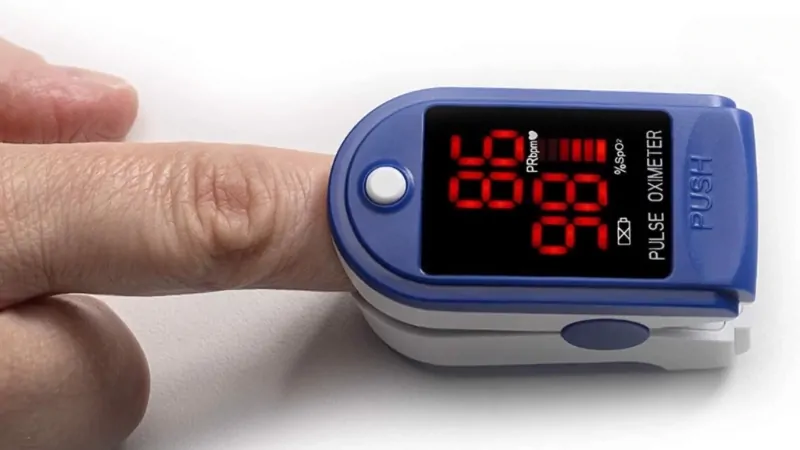
The FDA warns that pulse oximeters have known accuracy limits. Poor circulation, skin temperature, skin pigmentation, tobacco use and fingernail polish can all affect a reading.
- Warm cold fingers before testing.
- Keep the hand still.
- Wait for a stable number.
- Remove dark nail polish if the result looks unusual.
- Repeat an unexpected result on another finger.
- Compare the number with symptoms rather than relying on the screen alone.
The FDA pulse-oximeter guidance also warns about accuracy limitations associated with skin pigmentation. A reading that conflicts sharply with how a person looks or feels deserves another measurement and, when symptoms are serious, clinical assessment.
For a more direct measurement, clinicians can use an arterial blood gas test. An ABG sample taken from an artery measures oxygen pressure, carbon dioxide and acid-base balance rather than estimating saturation with light.
The WebMD guide to arterial blood gas testing explains how the test is collected and interpreted. Reference intervals vary by laboratory, altitude and clinical setting.
The Bottom Line
Slow breathing, better posture, regular activity, adequate hydration and cleaner air can all make breathing easier under the right conditions. Most of them will not push an already normal SpO2 reading noticeably higher, and they are not supposed to.
Humidifiers help when dry air is irritating the nose and throat. Nasal strips help when the obstruction is in the nose. Raising the head can help selected nighttime breathing problems. Essential oils can change the sensation of airflow, but strong fragrances can also irritate sensitive lungs.
Prescription oxygen is the method here designed to directly correct low blood oxygen when testing confirms that treatment is needed. Hyperbaric oxygen delivers far more oxygen under pressure and is reserved for defined medical uses in monitored facilities.
A pulse oximeter is most useful when you know your usual reading and take measurements under similar conditions. Repeated low results or symptoms such as severe shortness of breath, chest pain, confusion, fainting or blue lips need medical attention rather than another home technique.
References
- Torp KD, Modi P, Pollard EJ, et al. Pulse Oximetry. Updated July 30, 2023. StatPearls Publishing.
https://www.ncbi.nlm.nih.gov/books/NBK470348/ - Kim D, Chen Z, Zhou LF, Huang SX. Air pollutants and early origins of respiratory diseases. Chronic Dis Transl Med. 2018 Jun 7;4(2):75-94. doi: 10.1016/j.cdtm.2018.03.003. PMID: 29988883; PMCID: PMC6033955.
https://doi.org/10.1016/j.cdtm.2018.03.003 - Byber K, Radtke T, Norbäck D, Hitzke C, Imo D, Schwenkglenks M, Puhan MA, Dressel H, Mutsch M. Humidification of indoor air for preventing or reducing dryness symptoms or upper respiratory infections in educational settings and at the workplace. Cochrane Database Syst Rev. 2021 Dec 10;12(12):CD012219. doi: 10.1002/14651858.CD012219.pub2. PMID: 34891215; PMCID: PMC8664457.
https://doi.org/10.1002/14651858.CD012219.pub2 - Watanabe K, Stöhr EJ, Akiyama K, Watanabe S, González-Alonso J. Dehydration reduces stroke volume and cardiac output during exercise because of impaired cardiac filling and venous return, not left ventricular function. Physiol Rep. 2020 Jun;8(11):e14433. doi: 10.14814/phy2.14433. PMID: 32538549; PMCID: PMC7294577.
https://doi.org/10.14814/phy2.14433 - Kang KW, Jung SI, Lee DY, Kim K, Lee NK. Effect of sitting posture on respiratory function while using a smartphone. J Phys Ther Sci. 2016 May;28(5):1496-1498. doi: 10.1589/jpts.28.1496. PMID: 27313358; PMCID: PMC4905897.
https://doi.org/10.1589/jpts.28.1496