
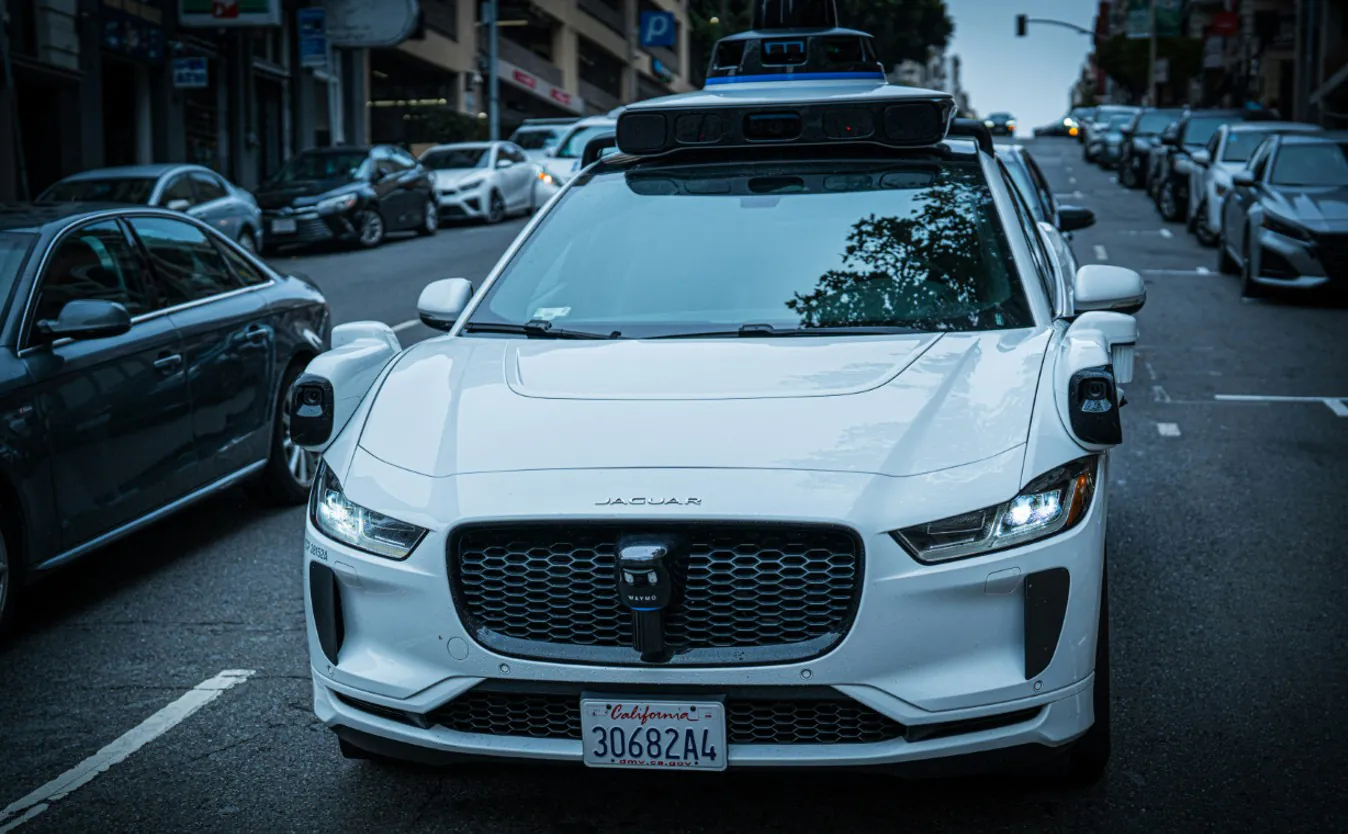
The San Mateo story is that a driverless car saw two teenagers behaving badly and called the police.
That is not what happened.
The Waymo drove itself, but people working for the company made the important decisions. Employees reviewed live video from inside the cabin, believed they were watching passengers fire a real gun from the vehicle and contacted 911. Waymo then shared the vehicle location and stopped the robotaxi so officers could reach it.
The distinction matters because it changes the privacy question. A machine did not independently decide that its passengers had committed a crime. A private company watched a live feed, interpreted what it saw and brought law enforcement into the ride.
In this case, the reason for concern was serious. Police said the teenagers were drinking alcohol and firing an Orbeez gun from the moving vehicle. The toy fires water-filled pellets and can resemble a real weapon from a distance.
Still, the public does not know what caused Waymo employees to begin watching the live cabin video. That missing detail may prove more important than the joke about a robotaxi becoming a police informant.
Table of Contents
ToggleWhat Happened Inside the Waymo Vehicle?
The incident occurred on Monday, July 6, 2026, in San Mateo, California.
Waymo reported that two teenage passengers appeared to be drinking and shooting from inside one of its autonomous vehicles.
According to local reporting on the police response, employees watching live interior camera feeds believed they saw a real gun and what looked like recoil.
A company representative called 911. Waymo provided the location of the vehicle and remotely halted it near 20th Avenue and El Camino Real.
Police said the company told the teenagers that the vehicle had stopped because of a mechanical problem. Officers moved into position and treated the report as a possible armed incident.
Once the passengers were removed, investigators found an Orbeez gun rather than a firearm. The teenagers were released to their parents and were not arrested. Police said possible charges remained under review.
Reports did not agree completely on the passengers ages. The initial police account described two 15-year-olds. NBC Bay Area later identified them as 14 and 15. The confirmed point is that both were minors.
| Did the Waymo vehicle call 911 by itself? | No. A Waymo representative called police. |
| Were company employees watching the cabin? | Yes. Police said employees reviewed a live interior camera feed. |
| What did employees believe they saw? | A possible firearm being fired from the moving vehicle. |
| What was the object? | An Orbeez gun that fired water-filled pellets. |
| Did Waymo stop the vehicle? | Yes. The company remotely halted the robotaxi while police approached. |
| Were the teenagers arrested? | No. They were released to their parents. |
| Could charges still follow? | Police said potential charges remained under review. |
People Called Police, Not the Waymo Driver
The phrase driverless taxi can give the impression that no human is involved once the doors close.
In reality, Waymo operates several layers of human support around its autonomous driving system. The software controls the vehicle on the road. Human teams can assist riders, review incidents and provide additional context when a vehicle encounters an unusual situation.
Waymo explains that its remote fleet response staff can view exterior camera feeds and a digital representation of the road around a vehicle. Those agents provide information, but the autonomous driving system normally remains responsible for steering and movement.
The San Mateo case involved a different kind of human intervention. Employees were not helping the vehicle understand road construction or an obstructed lane. They were reviewing passenger conduct inside the cabin.
Nothing in the available reporting shows that Waymo software made a legal judgment, identified a crime or autonomously placed the 911 call.
An automated system may have detected unusual behavior and generated an alert. A human may have received a report from outside the vehicle. Rider Support may have opened the video for another reason. Waymo has not publicly explained which event started the review.
That distinction should remain clear. The car supplied the cameras, location and ability to stop. People supplied the interpretation and the police call.
The Missing Detail Is What Triggered the Live Video Review
Waymo says its interior cameras are always recording during rides. Human employees are not necessarily watching every passenger in real time.
The company states that Support may review recorded video after a problem is brought to its attention. Live video can be accessed in urgent circumstances.
San Mateo was one of those circumstances, but the public still does not know how it began.
An NPR report on the passenger privacy questions said Waymo systems detected behavior that triggered a safety response. NBC Bay Area reported that employees monitoring live feeds saw what appeared to be a gun.
Both statements can be true. Software may have flagged an event before a person opened the live feed. Yet Waymo has not described the detection system, the alert threshold or the exact sequence.
Several possible triggers would produce very different privacy concerns.
- An automated system could have recognized an object, sudden movement or a possible weapon.
- A person outside the vehicle could have reported projectiles coming from its windows.
- A support request or cabin alarm could have prompted an employee to open the feed.
- Staff may already have been reviewing the ride because another rule violation had been detected.
No public evidence establishes which explanation is correct.
A company does not need to publish instructions that would help riders defeat a safety system. It should still explain the basic conditions that allow employees to begin watching passengers live.
A Driverless Cabin Feels More Private Than It Is
People behave differently when no driver is present.
A traditional taxi contains another adult who can see, hear and respond to passenger conduct. A Waymo cabin looks empty. Riders can easily experience it as a private room moving through a public street.
The cabin is not private in the ordinary meaning of the word.
Waymo tells riders that cameras inside its vehicles are used to find lost items, check cleanliness, enforce rules, provide emergency help and promote safety. Its published camera and microphone policy also says employees may access live video during urgent situations.
Interior microphones work differently. Waymo says they are active only during a call with Rider Support or when a passenger chooses to enable them.
Video remains the larger issue. A camera can reveal faces, companions, physical condition, personal belongings and behavior throughout a trip. The recording is also connected to a booked ride, a route and an account.
Waymo says it does not use facial recognition or other biometric identification to identify passengers. That limit is useful, but it does not make the footage anonymous. The company already knows which account requested the vehicle.
Previous disputes over voice assistants and unintended recordings have shown how differently companies and consumers can interpret a device that is technically disclosed but rarely noticed during normal use.
Waymo Had a Strong Reason to Contact Police
The privacy concern should not obscure what employees believed they were seeing.
A person appearing to fire a gun from a moving vehicle creates an immediate danger. Projectiles can injure pedestrians, distract drivers or cause someone nearby to respond as if the weapon were real.
Police officers approaching the Waymo did not know that the object fired water pellets. They were responding to a report of a firearm, possible recoil and passengers who might have been intoxicated.
Calling 911 was a defensible decision under those circumstances. Ignoring the video could have placed people outside the vehicle at risk.
The teenagers were also violating several company rules. Waymo prohibits alcohol use and weapons inside its vehicles under its published rules for passengers.
Rule violations do not end the privacy discussion. A reasonable emergency response can exist alongside reasonable demands for clearer limits on monitoring.
Safety and privacy are not opposite goals. Privacy rules determine how emergency powers remain limited to actual emergencies.
Stopping the Vehicle Changed the Nature of the Response
Waymo did more than provide information to police. The company also stopped the vehicle and kept it in place while officers approached.
According to police, the passengers were told that the robotaxi had developed a mechanical problem. That explanation appears to have been used to prevent them from leaving before officers arrived.
Police spokesperson Jeanine Luna later said the teenagers had the right to exit but did not do so. Reports do not establish that the doors were physically locked or that the passengers were unable to open them.
Calling the situation a kidnapping or a private arrest would go well past the known facts. Treating the stop as a minor technical action would also miss the point.
A private transportation company used control over the vehicle to shape where passengers remained while law enforcement moved into position.
Future incidents may involve less obvious danger. A passenger could be accused of vandalism, drug possession, threatening language or conduct that an automated system misreads. Rules will need to define when stopping a moving service becomes justified.
Waymo already maintains formal protocols for working with police and emergency crews. Public guidance focused on passenger-related interventions remains less detailed.
What Waymo Says It Can Do With Passenger Recordings
| Issue | Waymo public policy |
|---|---|
| Interior video recording | Cameras record during rides. |
| Routine human monitoring | Waymo does not say that employees continuously watch every ride. |
| Live video access | Support may view live video in urgent circumstances. |
| Interior audio | Microphones operate during Support calls or when activated by the rider. |
| Facial recognition | Waymo says it does not use facial recognition to identify individuals. |
| Police access | Waymo may disclose data to meet legal requirements, enforce agreements or protect safety. |
| Passenger data requests | Riders can request access, deletion or correction in some circumstances. |
The company directs police agencies seeking stored information to use valid legal processes. An emergency call made by Waymo itself is different from police later requesting recorded footage.
San Mateo police said video from inside the vehicle could affect potential charges. That means the recording may serve as evidence after the immediate safety response ends.
The change from live safety tool to stored criminal evidence deserves attention. Riders should know how long footage is retained, who can access it and what standard governs disclosure.
California residents have broad rights over personal information collected by many businesses.
The California Consumer Privacy Act allows residents to ask what data a company holds, request deletion in many circumstances, correct inaccurate information and limit certain uses of sensitive personal data.
California regulators are paying closer attention to data gathered by vehicles. In May 2026, the state announced a $12.75 million settlement over driving and location data that General Motors had sold to data brokers.
The Waymo case is not the same. No report says Waymo sold the teenagers information. The GM settlement remains relevant because it shows how much modern vehicles can know about the people using them.
A robotaxi can connect identity, location, time, route, cabin video and behavior in one record. Few traditional taxis ever created that complete package.
The Cameras Outside the Car Create a Separate Concern
Passenger monitoring is only one part of the privacy debate.
Waymo vehicles use exterior cameras to read traffic lights, follow lanes, identify pedestrians and understand road conditions. Those cameras also record streets, homes, license plates and people who never agreed to use the service.
Police have previously sought autonomous vehicle footage during investigations because a robotaxi happened to pass a crime scene.
Using available video to investigate a serious crime is not unusual. Doorbell cameras, business security systems and dashboard cameras are requested for the same reason.
Scale changes the issue. A large robotaxi fleet can become a moving camera network that travels through neighborhoods all day.
We previously analyzed the oversight problems created by opaque automated systems. Robotaxis add another dimension because the software does not only process information. It moves through public space while gathering it.
What Passengers Should Assume Before Taking a Waymo
Riders do not need to treat every robotaxi as a live television studio. Available policy does not show that human employees watch every trip from beginning to end.
They should assume several things before closing the door.
- Interior cameras are on and recording.
- Live video may be opened during an urgent event.
- Company rules can be enforced through recorded evidence.
- Location and trip details are linked to the account that booked the ride.
- Police may receive information during an emergency or through valid legal process.
- Deleting an account may not remove records that Waymo must retain for legal or safety reasons.
Private conversation should also be considered carefully. Interior microphones are not supposed to remain active throughout ordinary rides, but video can still communicate a great deal without sound.
Waymo Still Owes Riders Several Answers
The San Mateo case does not require Waymo to apologize for contacting police. It requires the company to explain the system that led to the call.
Several questions remain unanswered.
- What first triggered the live interior review?
- Did software identify a possible weapon, or did a person report the activity?
- How often do employees access live passenger video?
- What training is used before staff classify an object as a possible firearm?
- Who approves a decision to stop a vehicle for police?
- Can passengers always open the doors after a company-initiated stop?
- How long will the San Mateo cabin footage be retained?
- Will Waymo publish statistics on police calls and law enforcement data requests?
Answers would not prevent employees from responding to danger. They would help riders understand where ordinary safety monitoring ends and active surveillance begins.
Final Thoughts
In my view, Waymo employees made the sensible decision once they believed a gun was being fired from a moving car. Few people would want a company worker to watch that scene and do nothing.
The harder issue began earlier. Someone or something caused employees to open a live view of the cabin, and Waymo has not explained the trigger.
A driverless ride removes the person from the front seat, but it does not remove human authority from the trip. Company staff can watch, interpret, stop the vehicle, contact police and preserve video for a possible criminal case.
Passengers deserve to know when that authority can be used. A small camera notice inside the app does not answer every question created by live monitoring.
The Waymo did not call the police. People did, after technology gave them a direct view inside the car and control over where it stopped.
That version is less amusing than the story of a robotaxi snitching on its passengers. It is also far more important.
Related Posts:
- American Passenger Tests Positive For Hantavirus…
- Florida Will Ban Welfare Cash From Paying for Video…
- Federal Warnings To ICE Critics Raise One Question -…
- Mozilla Warns UK Age Checks Could Weaken Online Privacy
- Maryland State Fair 2026 Opens for Three Weekends of…
- Trump Accounts App Is Live - What The $1,000 Federal…