

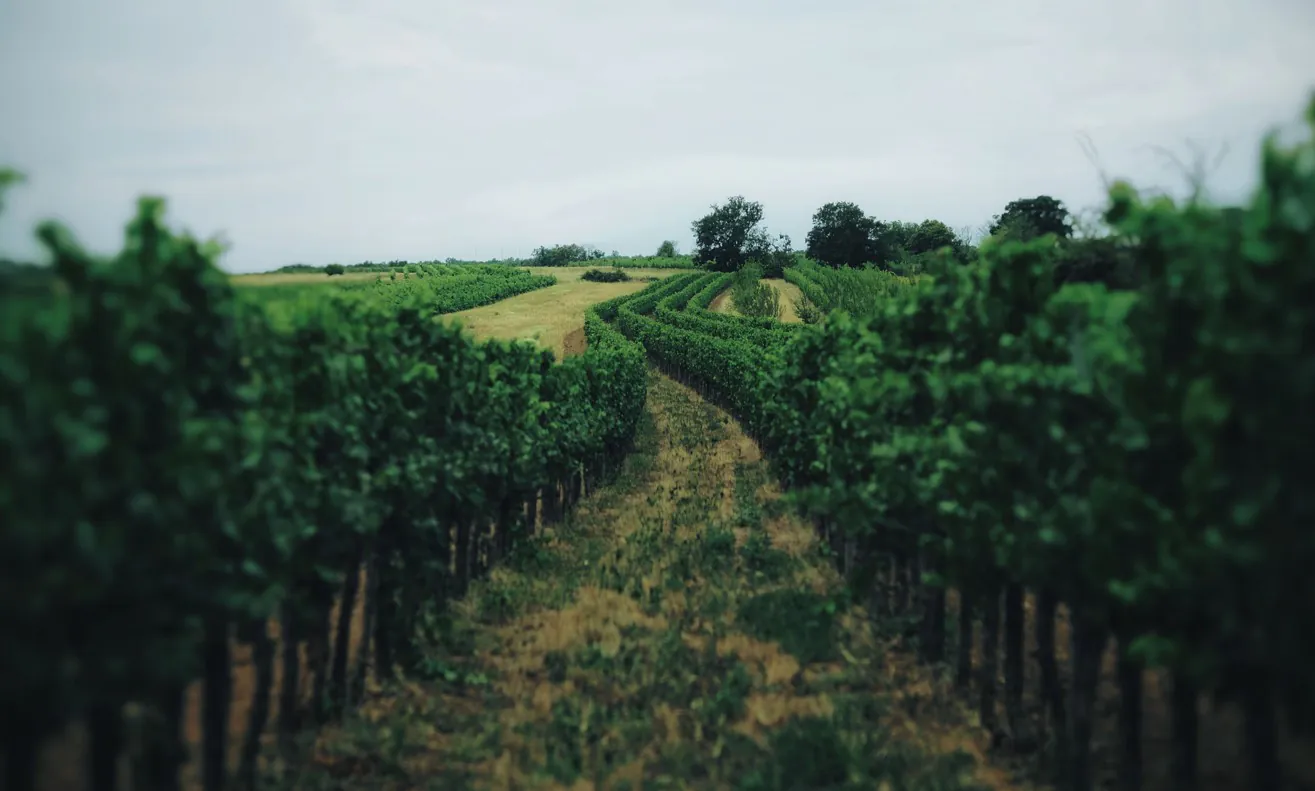
California growers are tearing out vineyards because the state is producing more wine grapes than wineries can profitably sell.
Rows that took years to establish are being cut, pulled from the ground and sometimes replaced with almonds, olives, other crops or nothing at all. The removals have reached famous wine regions as well as lower-cost farming areas that supply grapes for bottles sold across the country.
Pinot Noir growers are among those feeling the pressure, but the problem is much larger than one variety.
Americans are buying less wine. Distributors and retailers are carrying too much inventory. Exports have suffered, farming costs remain high and many younger consumers are choosing cocktails, canned drinks, cannabis products or no alcohol.
For some farmers, removing productive vines now costs less than maintaining another crop with no buyer.
California Has More Wine Grapes Than the Market Needs
@terroirjournal California is tearing out its own vineyards. Not because the wine failed — because the buyers vanished. Full story on our YouTube. 🍷 #wine #wineindustry #winetok #documentary #wineeducation ♬ original sound – TERROIR
California’s wine business expanded for years under the assumption that demand would keep rising.
That calculation no longer works.
A statewide mapping project found that growers removed 38,134 acres of wine grape vineyards between October 2024 and August 2025. California still had 477,475 acres standing at the end of that period, according to the latest analysis.
Industry leaders said in early 2026 that growers could remove roughly another 40,000 acres as they try to bring grape production closer to actual wine demand.
That does not mean every vineyard has failed. Premium estates with strong brands, loyal wine clubs and busy tasting rooms can still make money.
The deepest problems are often found among independent growers who sell grapes to larger wineries. When contracts disappear, they may have no practical place to send the fruit.
Leaving grapes unpicked avoids harvest costs, but the farmer still pays for irrigation, pruning, pest control, insurance, labor and land.
At some point, removing the vines becomes the least expensive option.
Wine Sales Have Been Falling for Years
View this post on Instagram
The vineyard removals are a delayed response to what is happening in stores, restaurants and homes.
U.S. wine volume fell to about 329 million cases in 2025, down from 335.9 million cases one year earlier, according to the 2026 State of the U.S. Wine Industry Report from Silicon Valley Bank.
Sales value declined from approximately $75.5 billion to $74.3 billion.
A 2% volume decline may not sound disastrous by itself. The real problem is that wine has now endured several weak years, leaving producers and distributors with accumulated inventory.
Wineries cannot keep buying the same amount of grapes when warehouses are already holding bottles that have not sold.
The direct-to-consumer business, once considered a safer and more profitable channel for wineries, also weakened sharply. Shipments from U.S. wineries fell 15% by volume in 2025, with sales value dropping 6%.
Lower-priced wines suffered some of the steepest losses. Those bottles traditionally moved in larger quantities and created demand for grapes from broad farming regions outside Napa’s most expensive vineyard land.
Why Pinot Noir Is Being Hit?

Pinot Noir became one of California’s most recognizable wines after years of growth in restaurant sales, tasting rooms and premium retail.
Growers responded by planting more of it.
The variety is now exposed to the same imbalance affecting much of the wine industry. When wineries reduce production, they do not need as many grapes. Growers without long-term contracts must either accept lower prices, leave fruit on the vine or remove the vineyard.
Pinot Noir is also expensive to farm. Its thin-skinned grapes can be sensitive to heat, disease and poor weather. Quality-focused vineyards often require careful canopy management and selective harvesting.
A grower cannot easily make the numbers work when grape prices fall but labor, water and equipment costs remain high.
Removing a Pinot Noir vineyard does not necessarily mean the land produced bad grapes. It can mean the crop no longer has a buyer willing to pay enough to cover production.
Younger Americans Are Not Replacing Older Wine Drinkers
Demographics sit at the center of the industry’s problem.
Baby boomers helped power decades of U.S. wine growth. As that group ages, younger adults have not adopted wine at the same rate or in the same volume.
Health concerns have also become more influential. More consumers are questioning how alcohol affects sleep, weight, cancer risk and long-term health.
Others still drink but spread their purchases across spirits, beer, hard seltzer and ready-to-drink cocktails.
The result is not that wine has disappeared from American life. It has lost its old position as the automatic choice for many dinners, celebrations and social events.
Wineries are now competing for a smaller share of attention, and the cost of attracting each buyer has increased.
Canada and Global Trade Added More Pressure
California wine producers also lost sales abroad.
Canada had been the largest export market for U.S. wine. Political tensions and provincial restrictions caused American wine exports to Canada to fall sharply in 2025.
Wine exports to the country dropped 67% during the first half of that year, according to industry figures reported during the trade dispute.
Losing a major foreign market left more wine inside the United States at the same time domestic consumption was already weakening.
Global wine consumption also fell again in 2025. Consumers worldwide drank an estimated 208 million hectoliters, about 17% below the 2007 peak.
California is therefore not dealing with an isolated local downturn. Vineyards are shrinking in several major wine-producing countries as the global industry adjusts to lower consumption.
The 2025 Grape Harvest Fell to a 26-Year Low
The volume of wine grapes crushed in California dropped to around 2.62 million tons in 2025, the lowest level since 1999.
The report shared by California Department of Food and Agriculture also showed weaker pricing.
The average price for all grape varieties fell 3.8% from 2024. Red wine grapes averaged $1,280.63 per ton, down 4.4%, and white wine grapes averaged $707.12, down 0.9%.
A smaller harvest would normally support prices by reducing supply.
It did not fully solve the problem because wineries were still working through older inventory and remained cautious about purchasing another large crop.
Some of the decline also came from grapes that were never harvested because growers could not secure contracts.
Vineyards Are Being Removed to Save the Industry
Ripping out vineyards may look like evidence that California wine is collapsing.
Industry analysts see the removals as a painful correction that could eventually help the remaining growers.
Fewer acres mean fewer grapes. Fewer grapes make it easier for supply to move closer to the amount of wine consumers are willing to buy.
The adjustment will not happen quickly. A bottle on a store shelf may come from grapes harvested several years earlier, and distributors need time to clear excess stock.
Removing too many vineyards also creates another risk. Grapevines require years to mature, so California cannot immediately restore production when demand returns.
Farm communities will feel the consequences first. Vineyard removals reduce work for pruning crews, harvest workers, equipment operators, trucking companies, nurseries and agricultural suppliers.
California’s wine industry supports almost 394,000 jobs when direct and related employment are included, according to a recent study by WineAmerica.
What Happens to the Empty Land?
There is no single replacement for a removed vineyard.
Some growers plant almonds, walnuts, olives or other crops when water, soil and market conditions allow it. Others leave fields fallow because establishing another crop requires money they do not have.
Land near growing cities may eventually be sold for development. Remote or steep vineyard sites may return to grassland or remain unused.
Premium regions are more likely to replant when an old vineyard has disease, unsuitable clones or weak productivity. Lower-value regions face a harder decision because land and grape prices may not justify another vineyard.
California wine country will not disappear, but its map is changing.
Bottom Line
California wineries and grape growers are ripping out vineyards because years of declining wine sales have left the state with too many grapes and too many unsold bottles.
Pinot Noir is part of that correction, along with Cabernet Sauvignon, Chardonnay and grapes used for lower-priced blended wines.
Falling consumption, weaker exports, high farming expenses and excess inventory have made some vineyards worth less as producing farms than they cost to maintain.
Removing vines reduces supply and may eventually restore balance.
For the growers losing land, contracts and years of work, that recovery comes at a severe price.