
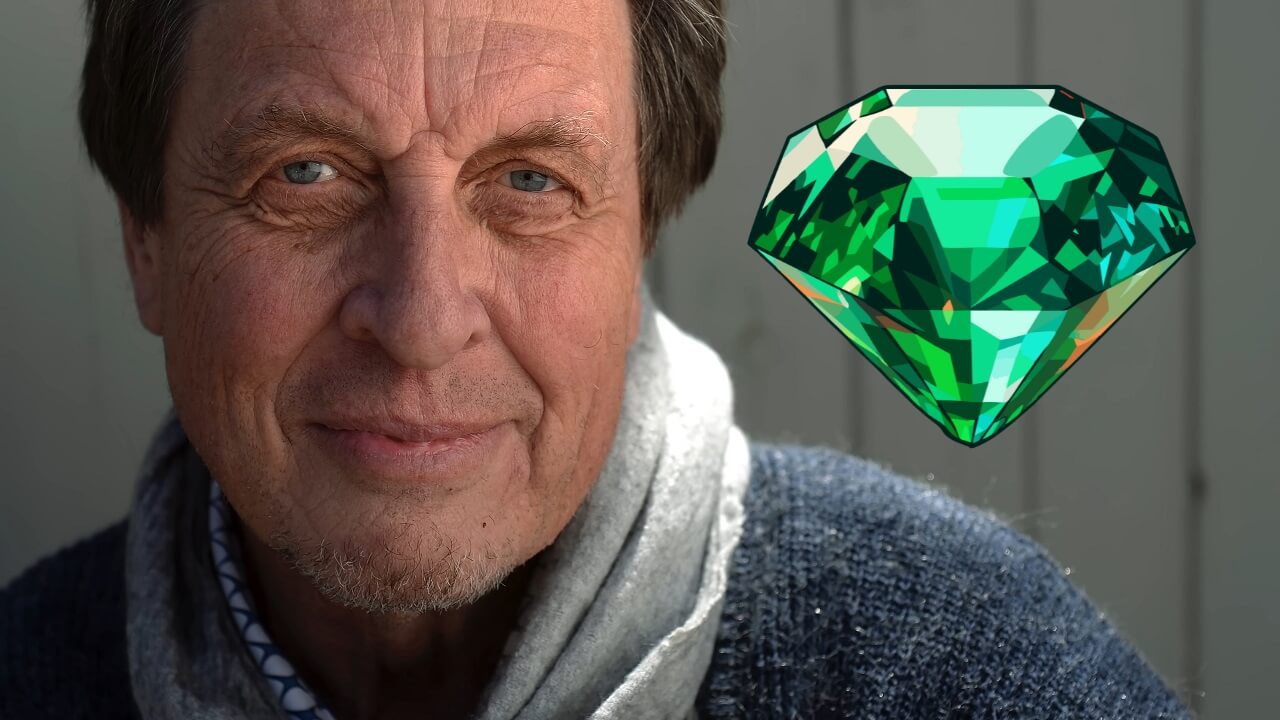
Father of Elon Musk, Errol said that money from emeralds helped support his family and gave his sons financial backing before Elon became a tech billionaire.
Elon Musk rejects that. He says his father neither financed his education nor supplied the money used to launch Zip2, the online directory business that began his career in Silicon Valley.
The disagreement has produced two competing stories. In one, Elon arrived in North America with debt, worked through college and built his first company with little outside support. In the other, he came from a wealthy South African family whose emerald dealings provided money, security and access during the years before Zip2.
Published interviews and biographies support parts of both accounts. Errol appears to have sold emeralds from an informal operation connected to Zambia. He also invested money in Zip2, according to biographer Ashlee Vance. The unresolved question is whether that investment and other family support came directly from emerald sales, and how much difference the money made during the opening stage of Elon Musk career.
Errol Musk Says the Emerald Business Supported His Sons
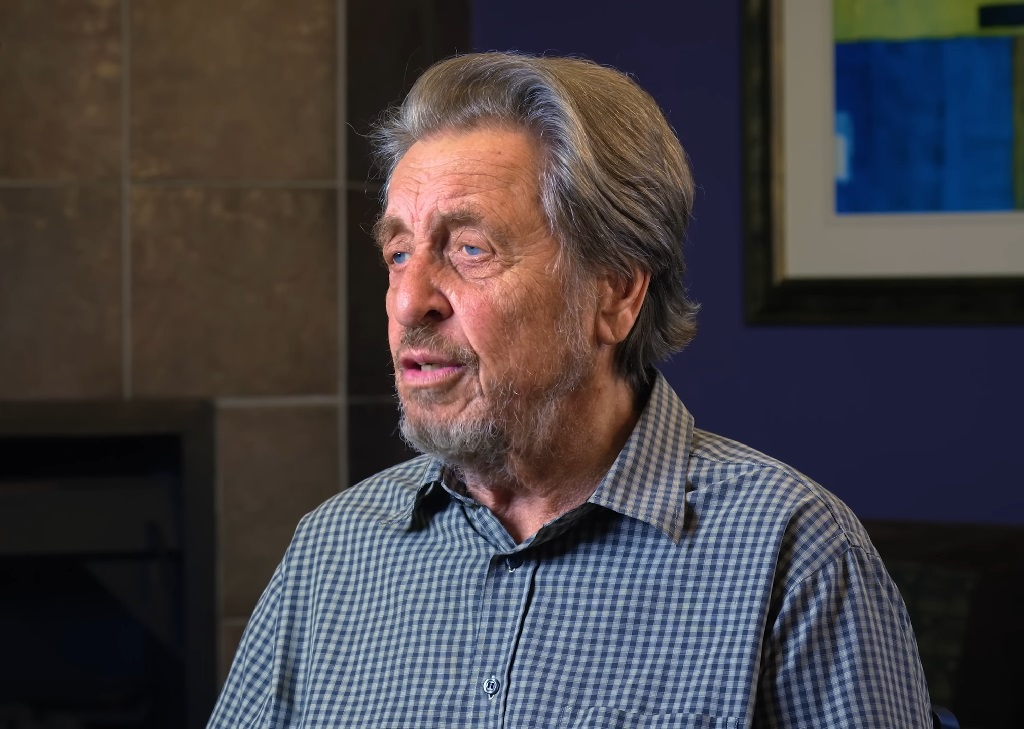
Errol Musk has described becoming involved with emeralds after selling a small aircraft during the 1980s. According to the account he later gave Walter Isaacson, the buyer offered emeralds from an unregistered operation in Zambia as part of the deal.
Errol said he brought raw stones into South Africa, had them cut in Johannesburg and sold them to jewelers during trips abroad. He described the trade as informal and outside normal legal and commercial channels.
That account differs from the popular image of the Musk family owning a large mine with employees, machinery and corporate records. Isaacson wrote that Errol never legally owned the mine. His involvement was linked to emeralds produced by an operation controlled by another businessman.
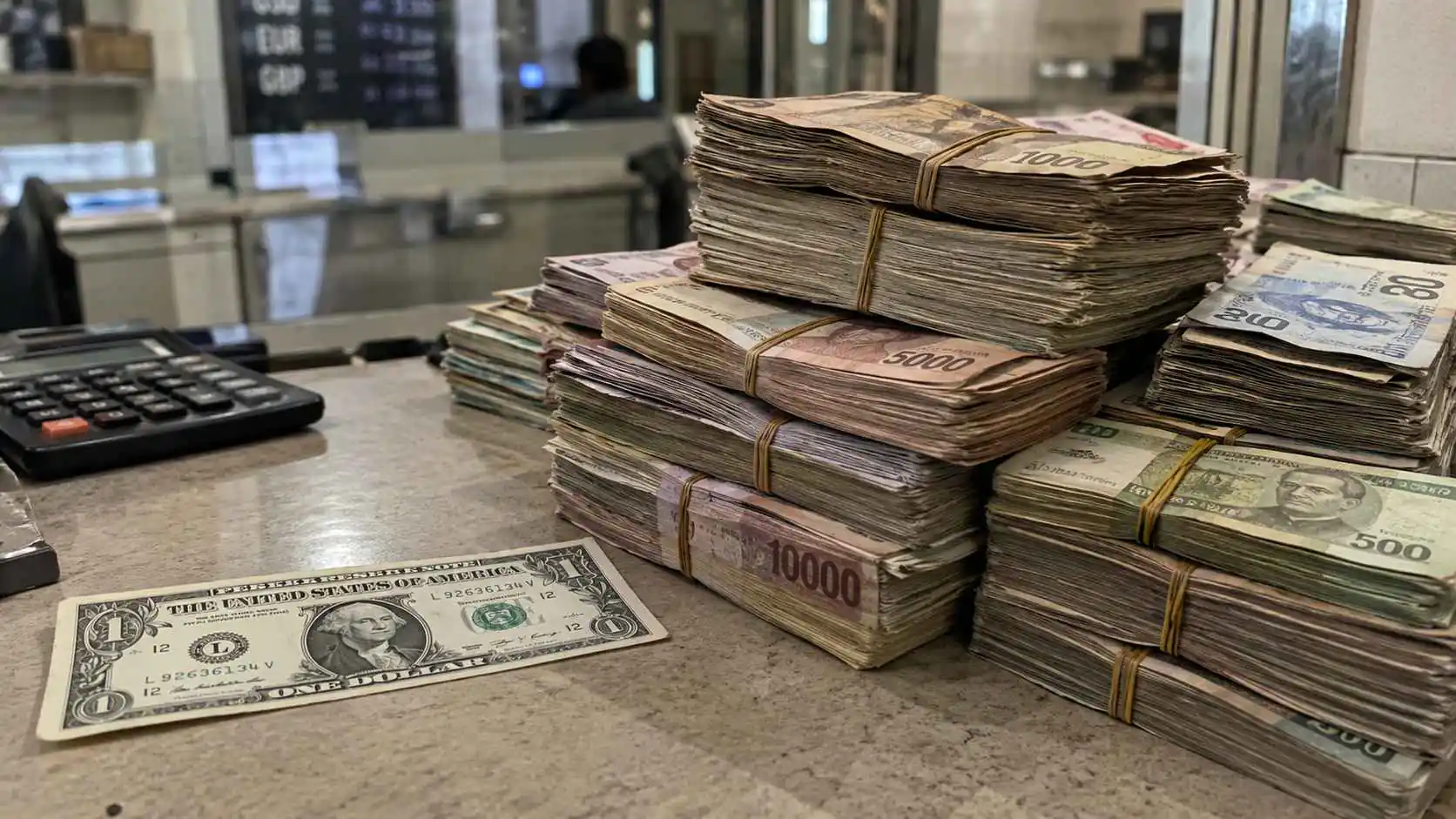
Errol has nevertheless spoken about the arrangement as a source of family wealth. In an interview shared by People, he claimed the family once held so much cash that banknotes would stick out when they tried to close a safe.
He has also said the income helped him and his sons during political and economic upheaval in South Africa. In a later statement reported by The Washington Post, Errol said his emerald imports helped sustain him and his two sons during the final years of apartheid.
Elon Musk Says His Father Did Not Finance His Beginning
Elon Musk has repeatedly denied receiving inherited wealth or startup money derived from an emerald mine.
I don’t have an “emerald mine”, nor was I given free money from anyone, inheritance or otherwise. Ashlee Vance interviewed hundreds of people. Ask him. https://t.co/M63NjiKkw2
— Elon Musk (@elonmusk) July 4, 2020
He says scholarships, loans and work paid for his education. He has described leaving college with about $100,000 in student debt and has denied that Errol covered his living expenses in North America.
Musk has also rejected the claim that his father supplied the founding money for Zip2. In a 2017 interview with Rolling Stone, he said he and his brother Kimbal paid for college through scholarships, loans and two jobs, while the early company raised money from angel investors.
His account of Zip2 emphasizes the conditions inside the company office. Elon and Kimbal have described sleeping at work, showering at a nearby facility and using one computer because they lacked money for both a home and proper equipment.
Those details can be accurate even when family money was available at another point. Startup funding rarely arrives in a single payment, and the dispute depends heavily on when Errol contributed and whether the business already existed.
Biographers Say Errol Put Money Into Zip2
Ashlee Vance wrote in his biography that Errol Musk gave Elon and Kimbal $28,000 during the early period of Zip2.
That claim directly challenges the broadest version of Elon Musk denial. Errol appears to have put money into the company, though accounts differ over the timing and amount.
Elon later described his father as investing about 10% of a $200,000 angel funding round after the company had already started operating. That would place the contribution near $20,000 rather than $28,000.
The distinction changes the interpretation. Money used before a company opens can determine whether it opens at all. Money invested during a later round helps a business continue or expand, while sharing risk with other investors.
Neither version supports the claim that emerald money alone created Zip2. Elon, Kimbal and co-founder Greg Kouri supplied initial funds, and a small group of investors later provided additional capital. Venture firm Mohr Davidow eventually invested about $3 million and reshaped the company.
Compaq purchased Zip2 in 1999 for approximately $307 million. Elon received about $22 million from the sale and used much of it to launch X.com, the financial business that became part of PayPal. His later investments in SpaceX, Tesla and other Elon Musk companies came from wealth created after the Zip2 and PayPal deals.
Was the Zip2 Investment Funded by Emerald Sales?
No public bank record, contract or company filing connects the money Errol invested in Zip2 to a specific emerald sale.
Errol says emerald trading supported the family and helped his sons. He has not produced financial documents showing that a parcel of stones was sold and the proceeds transferred into Zip2.
Elon denies the connection, though his earlier comments have kept the question alive. During a 2014 interview, he said his father had a share in an emerald mine in Zambia. Journalist Jim Clash later confirmed that Musk made the statement attributed to him.
The original interview disappeared from the Forbes website, but archived copies preserve the passage. Futurism later contacted Clash, who confirmed the interview and said he could not explain why the page had been removed.
Elon may have used the word mine as shorthand for the informal emerald arrangement described by Errol. His current denial appears focused on legal ownership and on claims that a family mining fortune financed his businesses.
Family Wealth Could Have Helped Before Zip2
The argument does not depend entirely on whether an emerald payment entered a Zip2 bank account.
Errol was an engineer, property developer and businessman. Published profiles describe the family as financially comfortable during parts of Elon childhood, with private schooling, travel and access to aircraft and other expensive assets.
That background gave Elon experiences unavailable to many young entrepreneurs. He had early access to a computer, learned programming as a child and grew up around engineering and business discussions.
His financial circumstances became less secure after leaving South Africa. He stayed with relatives in Canada, worked manual jobs and later used loans and scholarships to attend university. His early adult life therefore does not fit neatly into either image: a penniless outsider with no support or an heir drawing freely from a permanent family fortune.
Family resources can shape a career without paying every bill. They can provide education, contacts, a place to return to, emergency help or the confidence to pursue a risky business. Measuring that advantage decades later is harder than identifying a formal investment.
Errol and Elon Offer Conflicting Accounts of the Same Years
The emerald dispute is also a family dispute between two men who have been estranged for long periods.
Errol has repeatedly described himself as wealthy, influential and involved in the beginning of his sons careers. Elon has accused his father of exaggerating his role and has spoken publicly about a painful childhood and their damaged relationship.
Both men have reasons to frame the history differently. Errol gains recognition by presenting himself as an early financial backer. Elon protects the account of a career built through work, technical ability and personal risk.
Their statements also changed over time. Elon once referred to his father having a share in a mine, then later called the story false. Errol has described mine ownership in some interviews and an informal emerald arrangement in others.
What the Evidence Supports
Several points have substantial support in published reporting:
- Errol Musk obtained and sold emeralds connected to an operation in Zambia.
- The operation appears to have been informal and unregistered.
- There is no public proof that Errol legally owned a conventional emerald mine.
- Elon acknowledged the Zambian mine story during a 2014 interview.
- Ashlee Vance reported that Errol invested $28,000 in Zip2.
- Elon later described the contribution as roughly $20,000 during a wider funding round.
- No public financial record shows that the Zip2 investment came directly from emerald sales.
The broad claim that an emerald fortune paid for every stage of Elon Musk career goes beyond the available evidence. The opposite claim, that his father supplied no financial help at any stage, conflicts with biographical reporting and the later description of Errol joining a Zip2 investment round.
References
- Rolling Stone, Elon Musk, The Architect of Tomorrow
- Futurism, Elon Musk Denies Emerald Mine After Referring to It in an Earlier Interview
- Business Insider Africa, Walter Isaacson Account of Errol Musk and the Emerald Trade
- People, Who Is Elon Musk Estranged Father?
- The New Yorker, Plugged In
- The Washington Post, Elon Musk Background and His Father Emerald Imports