

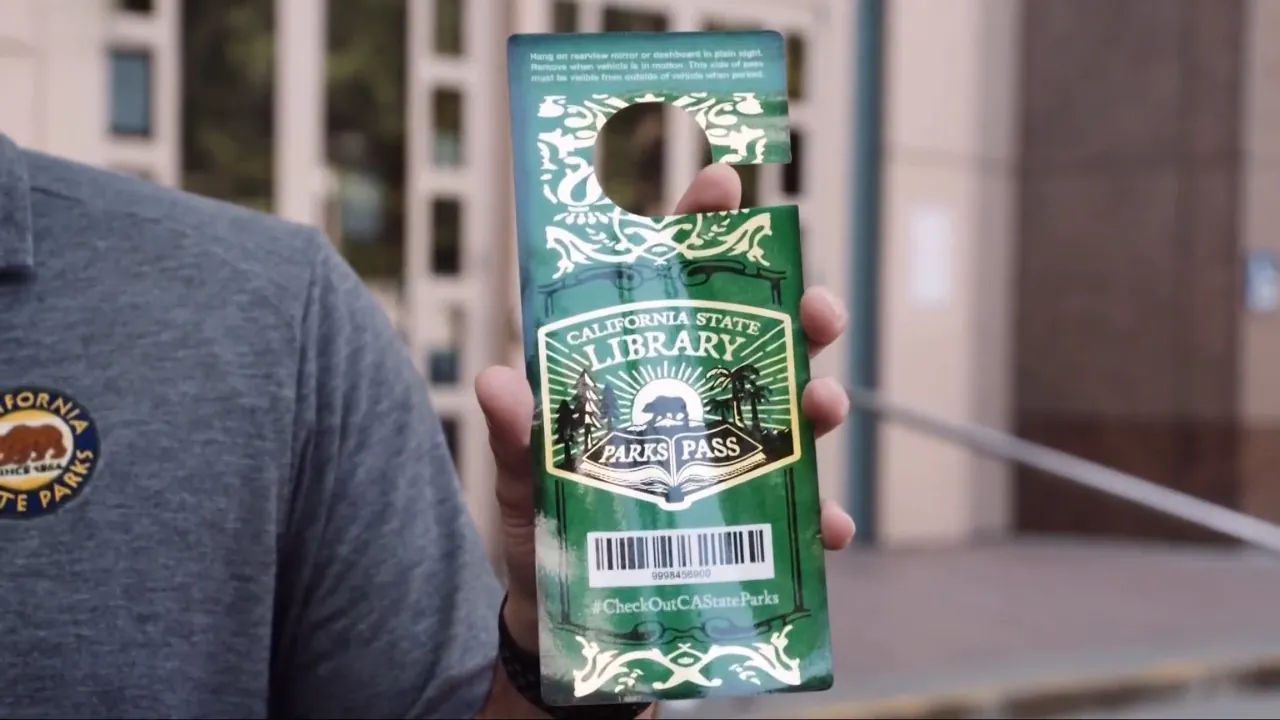
Great news for all people planning to travel to California this year. This year, we can all enjoy the California State Parks pass for free.
The state is offering a free 2026 edition of the California State Parks Historian Passport for a limited time. This pass normally costs $50 and covers admission for up to four people at participating historic locations.
The timing of the release is intentional. Announced around Juneteenth and ahead of the 250th anniversary of American independence, the program focuses on sites that highlight California’s diverse history, including Black settlements, Indigenous culture, Gold Rush towns, Chinese American communities, missions, military outposts, and early industry.
The offer arrives at a good time for travelers. The latest Visit California forecast projects 275.5 million statewide visits in 2026, with rising gas prices adding pressure to holiday budgets. While a free pass won’t cover fuel or lodging, it does eliminate one solid expense from a California road trip.
What does the Free California State Parks Pass Cover?
The active California State Parks pass page lists the free download window as June 17 through July 6, 2026.
After the pass is claimed, access begins on Juneteenth, June 19, and runs through December 31, 2026. The pass provides unlimited visits to participating historic parks and museums where the Historian Passport is accepted.
The pass covers up to four people. At parks that charge by vehicle instead of by person, the pass must be shown at the entrance station or displayed on the dashboard when no attendant is present.
A ReserveCalifornia account is required to download it.
Here Are The Parks You Can Visit For Free
The official Historian Passport terms list the following participating parks. Park status can change because of weather, fire recovery, repairs, special events or capacity limits, so visitors should check the individual park page before driving.
Region
Participating Parks
What Visitors Get
Los Angeles And Southern California
Will Rogers State Historic Park,
Los Encinos State Historic Park,
Antelope Valley Indian Museum State Historic Park,
California Citrus State Historic Park,
Fort Tejon State Historic ParkRanch history, Indigenous collections, citrus industry history, military history and foothill day trips near major population centers.
Central Valley And Gold Country
Colonel Allensworth State Historic Park,
Marshall Gold Discovery State Historic Park,
Empire Mine State Historic Park,
Malakoff Diggins State Historic Park,
Railtown 1897 State Historic Park,
California Mining And Mineral Museum,
Folsom Powerhouse State Historic ParkGold Rush history, early Black self-government, mining landscapes, railroad history and early power generation.
Sacramento And Northern Interior
State Indian Museum State Historic Park,
Sutter’s Fort State Historic Park,
Bidwell Mansion State Historic Park,
William B. Ide Adobe State Historic Park,
Shasta State Historic Park,
Weaverville Joss House State Historic ParkIndigenous history, state formation, pioneer-era sites, Chinese American heritage and 19th-century town history.
Bay Area, Wine Country And North Coast
Fort Ross State Historic Park,
Jack London State Historic Park,
Petaluma Adobe State Historic Park,
Sonoma State Historic Park,
Olompali State Historic Park,
Bale Grist Mill State Historic Park,
Benicia Capitol State Historic Park,
Anderson Marsh State Historic Park,
Robert Louis Stevenson State ParkCoastal settlement history, literary history, Mexican-era ranching, state capital history, milling history and Coast Miwok heritage.
Central Coast And Eastern Sierra
La Purísima Mission State Historic Park,
El Presidio de Santa Barbara State Historic Park,
Monterey State Historic Park,
San Juan Bautista State Historic Park,
Bodie State Historic ParkMission-era sites, Spanish and Mexican California history, preserved townscapes and one of the best-known ghost towns in the West.
Sierra Foothills
Indian Grinding Rock State Historic Park
Indigenous culture, bedrock mortars, ceremonial landscape and a regional museum tied to Native communities.
Best Parks To Visit First
1. Colonel Allensworth State Historic Park
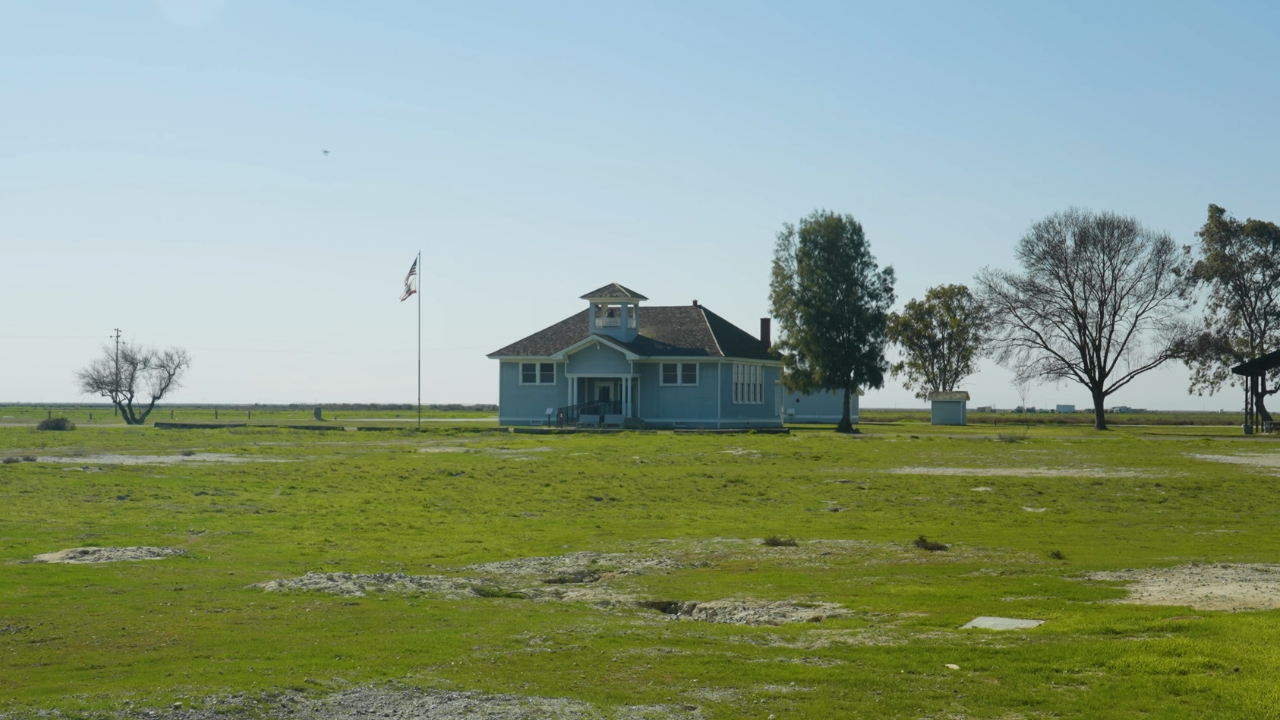
For a Juneteenth-linked trip, Colonel Allensworth State Historic Park belongs near the top of the list. The town was founded, financed, and governed by African Americans in the early 1900s.
Its restored and reconstructed buildings give the free pass a deeper civic purpose than a normal day-use discount.
2. Marshall Gold Discovery State Historic Park
View this post on Instagram
Marshall Gold Discovery State Historic Park marks the 1848 gold discovery that changed California and the United States. The site works well for families because the story is simple to grasp at first glance, then more complicated once visitors deal with the impact of the Gold Rush on Native communities, migration, and land use.
3. Weaverville Joss House State Historic Park
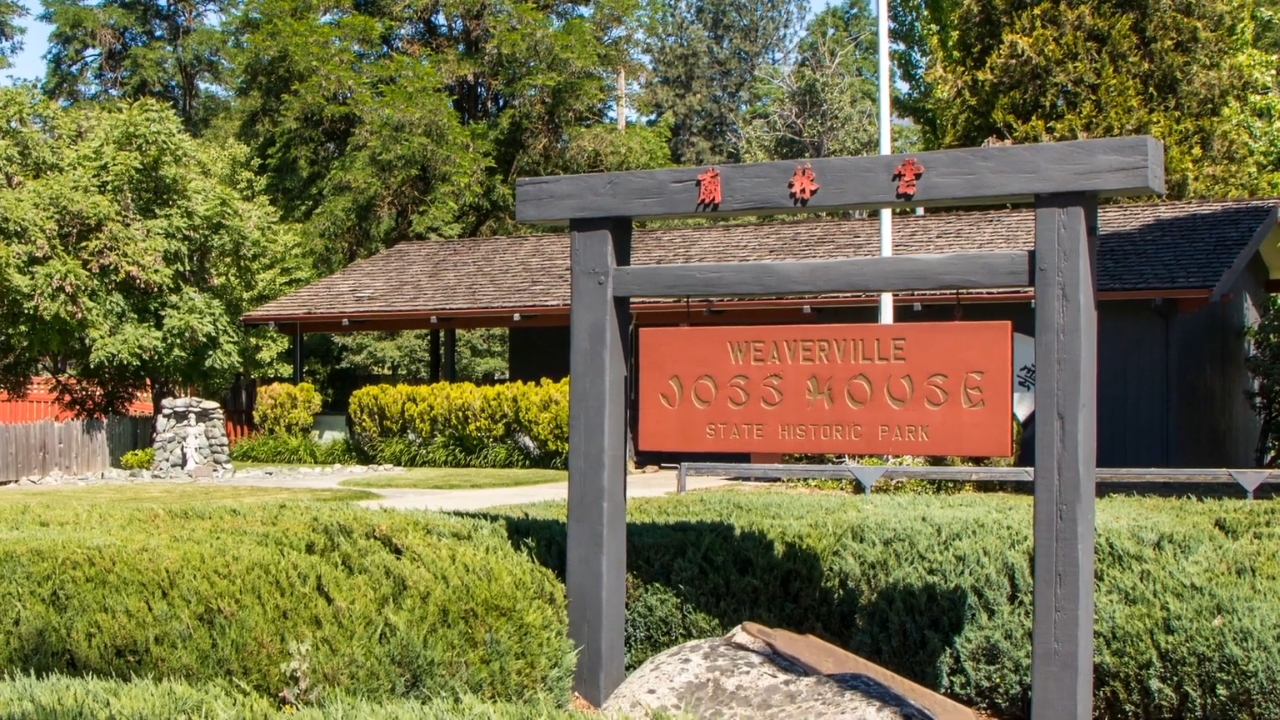
Weaverville Joss House State Historic Park offers one of the most distinct stops on the pass. The temple is tied to a Gold Rush-era Chinese American community and shows a side of California history that many quick road trips miss.
4. Antelope Valley Indian Museum State Historic Park
@des.is.okay ANTELOPE VALLEY INDIAN MUSEUM (one of the coolest spots in the AV) explore real Native history + nature trail + views #antelopevalley #Lancaster #lancasterca #palmdale #palmdaleca ♬ Old Film – Kairo Vibe
Antelope Valley Indian Museum State Historic Park is a practical choice for Southern California readers because it turns a desert drive into a cultural visit. The Los Angeles Times highlighted the museum among the Los Angeles-area sites accepting the pass.
5. Will Rogers State Historic Park
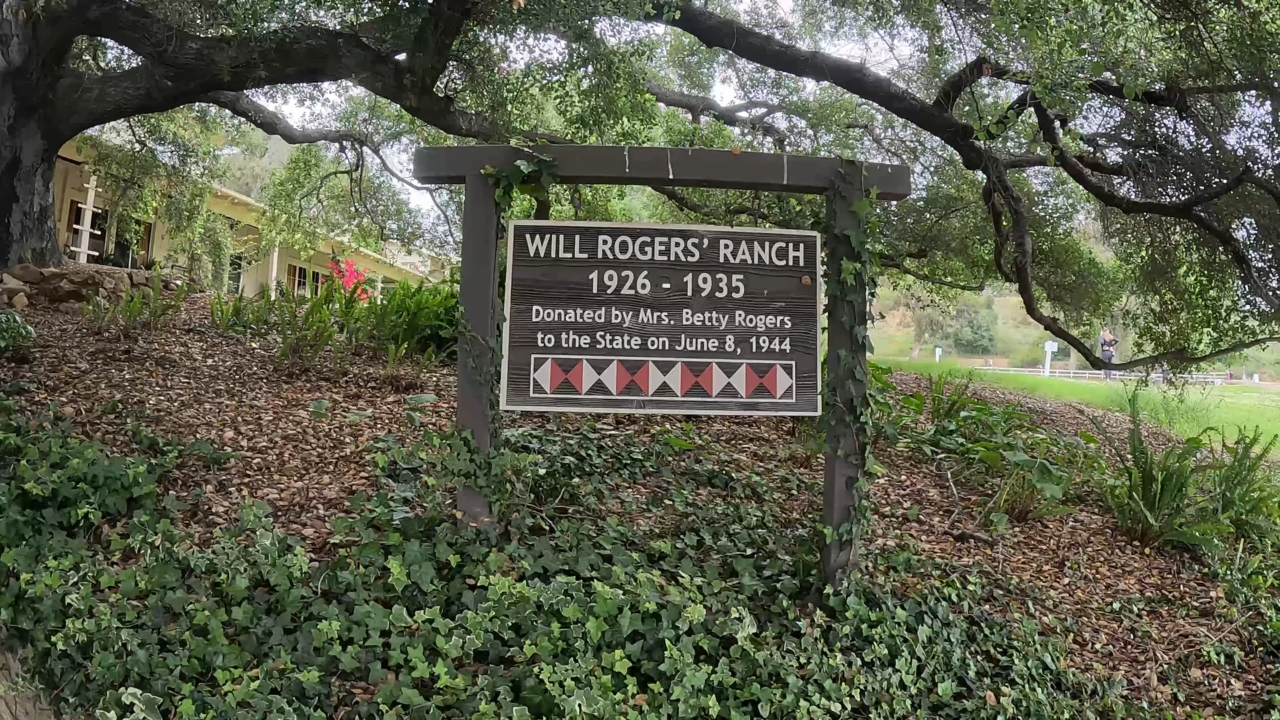
Will Rogers State Historic Park gives Los Angeles visitors a free historic stop close to the coast and city trail network. The park has also been in recovery after the Palisades Fire, so visitors should check the park page for open areas and safety notices before going.
How To Claim The Free Pass?
A digital pass can be printed for use, according to the state terms. Photocopies of the annual pass card are refused. The pass gives no priority entry, so space limits still apply on busy days. The free Historian Passport has boundaries. The state terms list several sites where the pass is excluded, including Hearst San Simeon State Historical Monument, the California State Railroad Museum at Old Sacramento State Historic Park, Vikingsholm at Emerald Bay State Park, Tomo Kahni State Historic Park, Watts Towers of Simon Rodia State Historic Park, Woodland Opera House State Historic Park, the Morro Bay State Park museum, the Ehrman Mansion at Ed Zberg Sugar Pine Point State Park and Marconi Conference Center State Historic Park. Visitors planning around a single landmark should confirm acceptance before they leave home. The safest approach is to check the official pass page, the park page and any posted alerts on the same day. California already has the largest and most varied state park system in the country. The Department of Parks and Recreation lists 280 state park units, more than 340 miles of coastline, 970 miles of lake and river frontage, 15,000 campsites, 3,195 historic buildings, and more than 11,000 known prehistoric and historic archaeological sites. The free Historian Passport puts attention on the cultural side of that system. Beaches and giant trees dominate the travel image of California, while many historic parks sit closer to towns, highways, and weekend routes. That makes the pass useful for residents who want a shorter trip, families looking for low-cost summer plans, and visitors building a road trip around history instead of only scenery. We previously mapped the state in our California geography and county guide. Readers planning a Southern California day trip can pair the pass list with our Los Angeles map and attractions guide, while Central Valley and capital-region visitors can use our Sacramento geography and attractions guide. The Historian Passport is only one free-access route. California State Parks also lists year-round programs that expand access beyond historic sites. While Donald Trump tries to rewrite our nation’s past, California embraces and learns from it. Through the Fourth of July weekend, get a FREE version of the @CAStateParks Historian Passport for zero-cost entry at our 30+ state historic parks for the next year. pic.twitter.com/VDNVPbMx7F — Governor Gavin Newsom (@CAgovernor) June 17, 2026 The free Historian Passport is one of the more useful California travel offers of 2026 because it is simple, statewide, and tied to places with substance. The best use is a focused history trip: Colonel Allensworth for Black California history, Marshall Gold Discovery for the Gold Rush, Weaverville Joss House for Chinese American heritage, Indian Grinding Rock for Indigenous culture, and Bodie for the ghost town experience. The claim window closes July 6, and the visiting window ends December 31, 2026. Anyone who plans to use it should download the pass early, check current park alerts, and treat the free admission as a reason to visit sites that usually sit outside the standard California vacation route.
Sites Excluded From The Pass
Other Free California Park Options
Bottom Line