

On July 15, 2026, University of Houston launched UH Health, a cross-disciplinary initiative connecting health education, research, clinical care, and community outreach.
Nearly 50% of UH research relates to health, yet many projects have operated within separate colleges, departments, and programs.
UH Health creates a coordinated system focused on clinical, behavioral, and social factors that affect patients.
Let’s talk about it.
Six Health Fields Under One Initiative

Six primary fields make up UH Health:
- Medicine
- Nursing
- Pharmacy
- Optometry
- Psychology
- Social work
Students enrolled in these health programs complete demanding written assignments, and an essay writing service such as EssayService can provide academic writing assistance across nursing, psychology, health care, and related subjects.
Additional participants include UH Population Health, Human Integrated Health Science Institute, and researchers working in biomedical engineering and related areas.
Purpose of UH Health
Main goals include reducing separation among colleges, departments, and research programs.
UH also plans to prepare students for interdisciplinary health-care teams, where professionals across several specialties coordinate patient care.
Improved coordination will connect education, research, clinical partnerships, and community programs.
Such work carries particular importance in Texas, where 64% of hospitals reportedly operate with reduced operations or fewer beds due to staffing shortages.
Research and Innovation
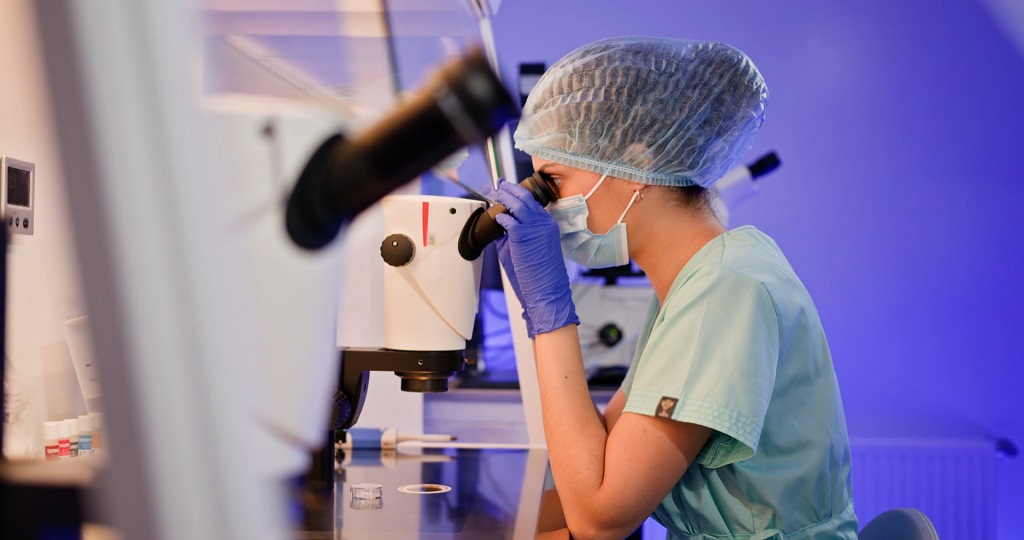
More than 100 UH faculty members conduct brain-health research backed by $62.5 million in active grants.
Projects examine neurological conditions, including dementia, while connecting expertise across clinical science, behavioral health, engineering, and other disciplines.
Cancer research at UH has also received more than $11 million through the Cancer Prevention and Research Institute of Texas.
Other major research areas include infectious diseases and substance-use disorders.
Shared administration under UH Health could help researchers pursue larger grants and manage complex projects more efficiently.
Central coordination may also improve budgeting, regulatory compliance, and project reporting across participating units.
Community and Clinical Impact
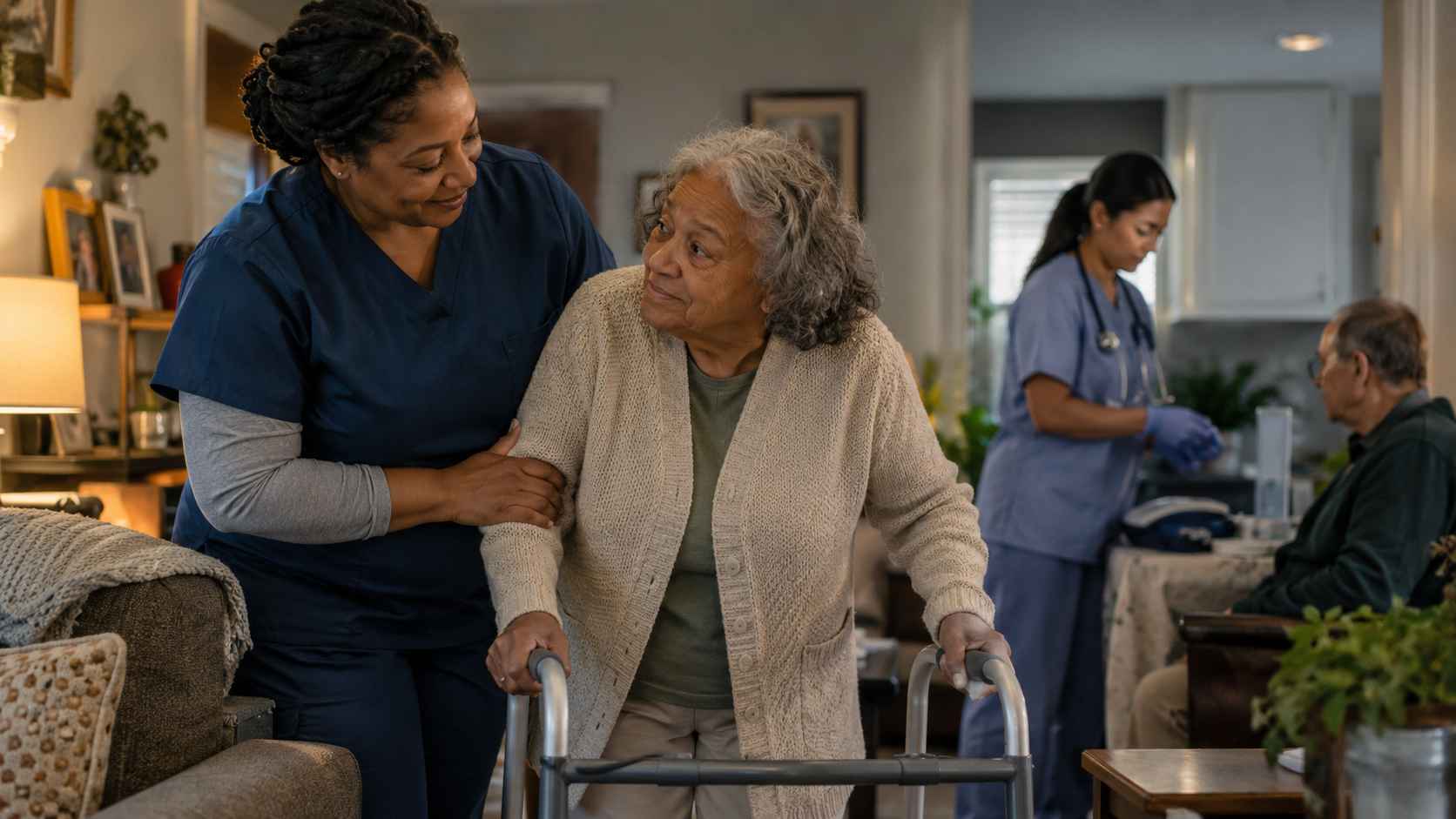
UH Health Family Care Center will provide affordable, integrated primary care and mental-health treatment in Third Ward, East End, and South Houston communities.
Household-Centered Care will place students directly in patients’ homes.
Students will work with patients and caregivers while learning how housing, family support, finances, transportation, and other daily conditions can affect health.
At 3rd Ward Place of Wellness, residents will have access to screenings, preventive care, health education, and wellness resources.
College of Optometry will continue supporting children and families through community clinics and outreach programs.
Partnerships and Growth
UH Health will work with HCA Healthcare, Memorial Hermann, Baylor College of Medicine, MD Anderson Cancer Center, and other organizations in Texas Medical Center.
Collaborations will connect university programs with hospitals, medical specialists, research institutions, and clinical training opportunities.
Plans with DHR Health will expand education, research, and workforce development in Rio Grande Valley, a medically underserved region.
DHR Health collaboration will help UH train health professionals while supporting research and patient-care needs in South Texas.
Construction planning is also underway for a new medical research facility measuring approximately 55,000 to 56,000 square feet. Current investment estimates range between $77 million and $87 million.
UH and DHR Health have broken ground on a new medical research and education hub in the Rio Grande Valley to expand health education, advance research and improve access to care in one of Texas’ most rapidly growing regions.
Read more: https://t.co/5nBSHcECLf pic.twitter.com/PHyF0oz0Wp
— University of Houston (@UHouston) April 23, 2026
Planned features include laboratories, clinical-trial space, a virtual-reality behavioral suite, and an engineering makerspace. Proposed infrastructure will support medical research, technology development, behavioral studies, and clinical testing.
A separate $30.5 million renovation is planned for UH Population Health at its Texas Medical Center facility.
Student Training and Workforce Development
UH Health will connect academic instruction with clinical practice, research, and community-based care.
Students will gain experience working across professional boundaries while preparing for roles in a health-care system facing serious staffing shortages.
Collaborative Learning
Students in medicine, nursing, pharmacy, optometry, psychology, and social work will train alongside professionals in other health disciplines.
Joint instruction will help graduates communicate across specialties and coordinate care for patients with multiple medical, behavioral, and social needs.
Practice-Based Education

Classroom instruction will connect with clinical work, research projects, community programs, and household visits.
Practice-based assignments will develop several core capabilities:
- Creating care plans with input across multiple specialties
- Communicating with patients and caregivers in home settings
- Identifying social and behavioral factors that can affect treatment
- Coordinating referrals across physical and mental-health programs
Clinical Learning Opportunities
Partnerships with hospitals, clinics, and medical institutions will expand access to supervised training environments.
Direct participation in patient care will allow students to apply academic knowledge while learning how interdisciplinary teams handle complex cases.
Workforce Preparation
Texas hospitals need more qualified health professionals, with 64% reportedly operating at reduced capacity or with fewer available beds due to staffing shortages.
UH Health will prepare graduates for team-based roles across hospitals, clinics, research institutions, and community health organizations.
Faculty members can also develop joint courses, clinical exercises, and research opportunities through a shared academic structure.
Such coordination can give graduates practical experience before entering a health-care system facing persistent staffing pressure.
Measuring Results and Accountability
UH Health will need clear performance measures to determine how well its programs improve education, research, patient care, and community access.
Consistent reporting can help university leaders identify effective programs, correct operational problems, and direct funding toward documented needs.
Student and workforce reporting can track several concrete outcomes:
- Graduation and professional licensing rates
- Placement rates in Texas hospitals, clinics, and community programs
- Participation in interdisciplinary courses and clinical training
- Number of students completing household visits or community assignments
- Employment growth in regions affected by staffing shortages
Research evaluation can examine grant awards, joint faculty projects, clinical trials, and published findings.
Administrative reviews can also measure budget accuracy, compliance performance, and reporting efficiency across participating colleges.
Patient data can track appointment access, care coordination, screening participation, and use of mental-health treatment.
Regular progress reports could give students, faculty members, clinical partners, and residents a clear account of UH Health activities.
Transparent measurement will make it easier to connect university investments with documented changes in health access, workforce capacity, and research output.
FAQs
Summary
By connecting six health fields, major research programs, clinical operations, and outside partners, UH Health aims to create a coordinated approach to education, research, patient care, and community support.
Better coordination could strengthen workforce preparation, improve access to care, and help faculty compete for larger research awards.
Progress will ultimately be measured through patient outcomes, workforce growth, research results, and expanded care in underserved communities.