

A higher full retirement age has become one of the most debated Social Security reform ideas. Current law has not moved the age to 70, but official budget options show how such a change could affect future retirees.
The Social Security Administration says the current full retirement age is 67 for people attaining age 62 in 2026. The same SSA page notes that Medicare eligibility remains 65, a separate age that should not be confused with Social Security’s full retirement age.
Under current rules, workers can claim retirement benefits as early as 62, claim full benefits at full retirement age, or delay up to 70 for a higher monthly benefit. The SSA retirement planner states that monthly payments rise the longer a person waits to apply, up to age 70.
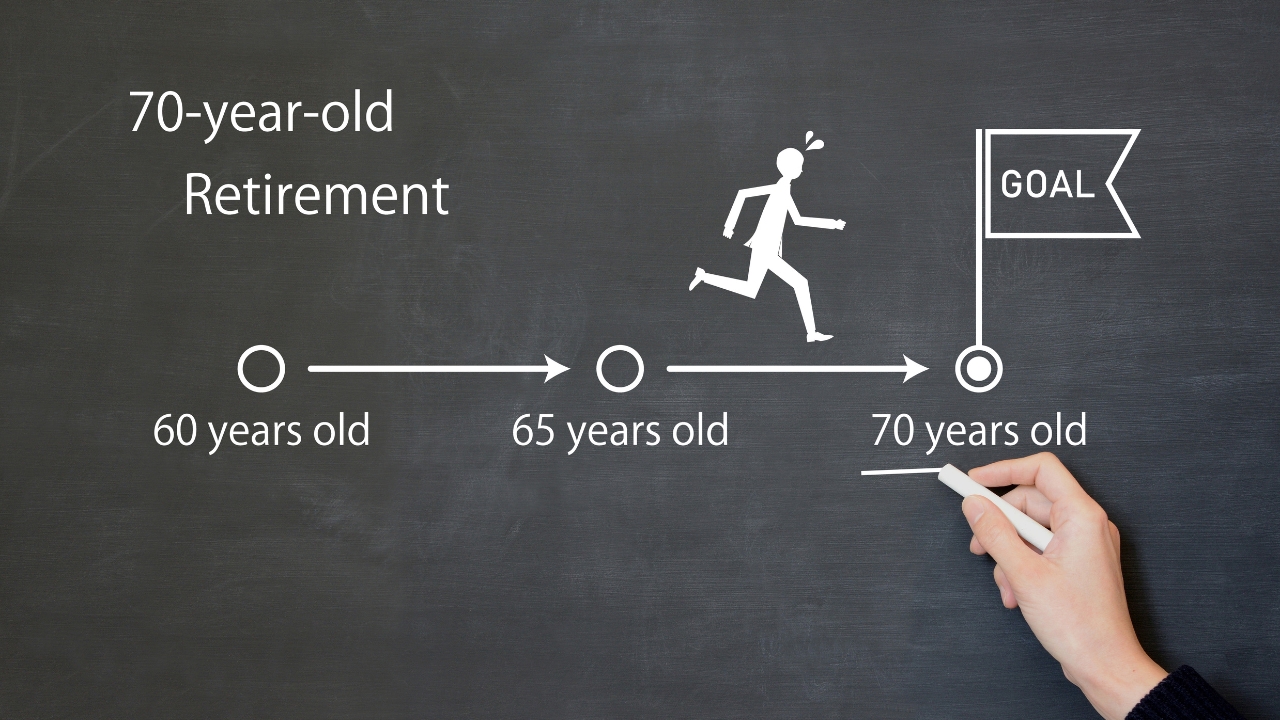
The policy fight is about whether age 70 should remain the maximum delayed-claiming age or become the new full retirement age for younger generations.
What The Proposal Actually Says
View this post on Instagram
The most direct federal model comes from the Congressional Budget Office. CBO studied an option that would raise the full retirement age from 67 by two months per birth year for workers born from 1964 through 1981. Under that model, workers born in 1981 or later would have a full retirement age of 70.
CBO describes the age-70 plan as a budget option, not a current law change. Workers could still claim as early as 62 under that model, but the reduction for claiming early would be larger because the gap between age 62 and full retirement age would widen.
Current Law Versus The Age-70 Option
Issue
Current Law
Age-70 Reform Option
Full retirement age
67 for people born in 1960 or later
70 for workers born in 1981 or later under the CBO option
Earliest claiming age
62
62 in the CBO age-70 option
Delayed retirement credits
Benefits rise for delayed claiming up to age 70
Age 70 would become the full retirement age for affected workers
Status
Law in effect
Policy model, not enacted
The Factors Driving the Retirement Age Debate

Social Security faces a long-term financing gap. The 2025 Social Security Trustees Report summary projects that the Old-Age and Survivors Insurance Trust Fund, known as OASI, can pay full scheduled benefits until 2033. At that point, continuing income would cover 77 percent of scheduled benefits.
The combined Old-Age, Survivors, and Disability Insurance funds, known as OASDI, would be able to pay full scheduled benefits until 2034. After reserve depletion, continuing income would cover 81 percent of scheduled benefits at that point, according to the Trustees.
Those projections explain why lawmakers keep returning to retirement age. A higher full retirement age would reduce scheduled benefits over time, which lowers program costs. The harder question is who would carry that reduction and whether the savings would be enough.
The Financing Pressure In Plain Terms
Raising the full retirement age sounds like a timing change. In benefit math, it functions as a cut for affected workers. CBO says raising the full retirement age would reduce scheduled lifetime benefits for every affected Social Security recipient. A worker could keep the same monthly benefit only by claiming later, which means receiving checks for fewer months. The issue becomes sharper for early claimers. The SSA says workers can start retirement benefits as early as age 62, but benefits are reduced for each month before full retirement age. If full retirement age were moved to 70, the early-claiming reduction at 62 would grow unless lawmakers changed the formula. Project 2025 will raise the retirement age and cut social security benefits for nearly three-quarters of Americans. https://t.co/20pIXpgO3P — American Progress (@amprog) November 17, 2024 CBO estimated that raising the full retirement age to 70 would reduce Social Security outlays by $94.7 billion from 2025 through 2034. Over the long term, CBO projected Social Security spending would fall by 0.6 percentage points of GDP in 2054 and 0.8 percentage points of GDP in 2098. Yet CBO also found that the option would not change the projected trust fund exhaustion year in its model. That means an age hike could reduce long-term costs, while still leaving lawmakers with a broader solvency problem. Any age-70 proposal would almost certainly be phased in over many years. CBO modeled the increase for workers born from 1964 through 1981, reaching 70 for those born in 1981 or later. The immediate retirees of 2026 would not be the main target under that model. The largest effect would fall on younger workers, especially people who are decades away from retirement but already paying into the system. Many Americans already hear the age of 70 in retirement planning because waiting until 70 can produce a higher monthly Social Security check. That does not mean age 70 is the full retirement age today. Under current law, age 70 is the point at which delayed retirement credits stop increasing the monthly retirement benefit. Full retirement age remains 67 for people born in 1960 or later. A reform that makes 70 the full retirement age would change the baseline used to calculate full benefits. Also read: 2027 Social Security COLA Projection SSA also raised the maximum taxable earnings amount for Social Security payroll taxes to $184,500 in 2026. That figure belongs in the article because many Social Security reform debates compare benefit changes, such as retirement-age increases, with revenue changes, such as raising or removing the taxable wage cap. Raising the retirement age can produce budget savings on paper, but public opinion makes the policy difficult. A 2025 Bipartisan Policy Center poll found that 93 percent of Americans consider Social Security a valuable federal program, while 83 percent said addressing program challenges should be a top priority for Congress. Voters are worried about the program, but worry does not automatically translate into support for benefit reductions. That tension shapes the politics of every retirement-age proposal. Recent claiming behavior also shows anxiety among older Americans. AARP reported that more than 2.3 million people filed for Social Security retirement benefits from January through July 2025, up 16 percent from the same period in 2024, citing Urban Institute tracking of SSA filing data. AARP also reported that many people who claimed earlier than planned cited fear about the future of the program. Supporters of a higher full retirement age usually make three arguments. First, Americans live longer than when Social Security was created. Second, the program faces a financing gap. Third, a phased-in retirement-age increase can reduce costs without changing checks for current beneficiaries. The SSA Office of the Chief Actuary lists several long-range solvency provisions tied to retirement age. Those options include raising the normal retirement age to 68, 69, or 70, indexing the age to longevity, and changing the earliest eligibility age. Opponents say a higher full retirement age is a benefit cut by another name. CBO also uses that logic in its modeling, because a later full retirement age reduces lifetime benefits for affected recipients unless they work longer and claim later. Critics also argue that average life expectancy can hide major differences by income, education, health, race, region, and job type. A white-collar worker with savings may have a far easier path to age 70 than a warehouse worker, home health aide, construction laborer, or service worker whose job requires years of physical strain. The equity concern is simple: the workers with the least ability to delay claiming could face the largest monthly penalty. A higher retirement age is only one possible Social Security reform. Lawmakers could also consider revenue changes, benefit formula changes, targeted protections, or a package that blends several policies. Workers do not need to plan as though Social Security’s full retirement age has already moved to 70. Current law still sets full retirement age at 67 for people born in 1960 or later, with early benefits available at 62 and delayed credits available up to 70. Still, the debate should not be dismissed. Social Security financing pressure is documented by the Trustees, and CBO has shown how an age-70 model could reduce scheduled spending. That means retirement-age proposals are likely to remain part of the reform conversation. Social Security has not raised the full retirement age to 70. The current full retirement age is 67 for people attaining age 62 in 2026. The age-70 idea comes from reform proposals and budget models, including a CBO option that would phase in a full retirement age of 70 for workers born in 1981 or later. The proposal would save money by reducing scheduled benefits over time. It would also create hardship concerns for workers who cannot keep working into their late 60s. That is why the retirement-age debate remains one of the most politically sensitive pieces of Social Security reform.
How Raising The Full Retirement Age Would Cut Benefits
What CBO Found
Who Would Feel The Impact First
Groups With More Exposure
Retirement at 70 Is Not The Same As Delaying Benefits To 70

Three Different Ages Matter
Age
What It Means Under Current Law
62
The earliest age for Social Security retirement benefits is with a permanent monthly reduction.
67
Full retirement age for people born in 1960 or later.
70
The latest age at which retirement benefits are available through delayed credits.
What The Latest Benefit Numbers Show
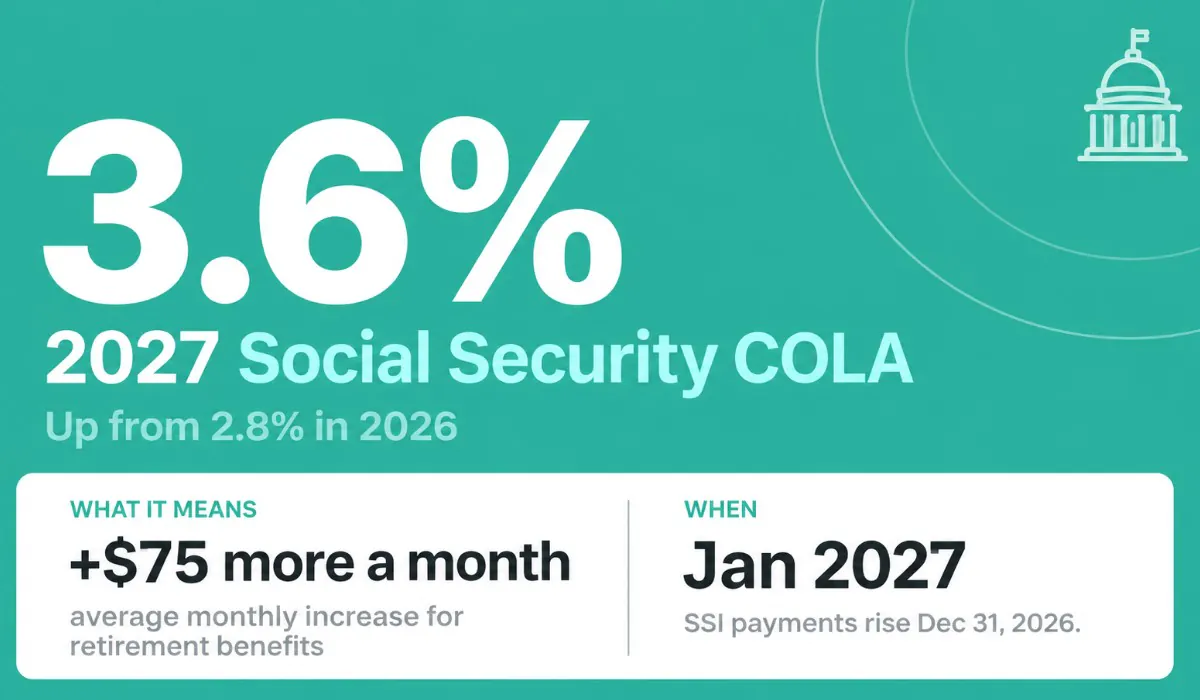
The debate matters because Social Security remains a central source of income for millions of retired Americans. The SSA 2026 COLA fact sheet says benefits rose by 2.8 percent in 2026. The same fact sheet estimates that the average monthly benefit for retired workers rose from $2,015 before the COLA to $2,071 after the COLA.
Measure
2026 Figure
Why It Matters
COLA
2.8 percent
Shows current benefit adjustment for inflation.
Average retired worker benefit
$2,071 per month after COLA
Shows the income level affected by reform proposals.
Maximum taxable earnings
$184,500
Shows the wage cap used for Social Security payroll taxes.
Earnings limit under full retirement age
$24,480 per year
Applies to beneficiaries who work while claiming before full retirement age.
Earnings limit in the year the full retirement age is reached
$65,160 per year
Applies before the month the full retirement age is reached.
Public Opinion Creates A Political Problem
Arguments For Raising The Retirement Age

Common Supporter Claims
Arguments Against Raising The Retirement Age
Common Opponent Claims
What Congress Could Consider Instead
Policy Options Often Discussed Alongside Retirement Age
Option
Basic Idea
Main Trade-Off
Raise the payroll tax cap
Collect Social Security taxes on higher earnings above the current taxable maximum.
Higher taxes for upper-income earners.
Raise the payroll tax rate
Increase the percentage paid by workers and employers.
Higher tax burden for many workers and businesses.
Change benefit formulas
Slow benefit growth for some future retirees.
Lower scheduled benefits for affected groups.
Protect lower earners
Pair cost savings with a higher minimum benefit or hardship rules.
Less savings unless paired with other reforms.
Raise full retirement age
Move the age for full benefits from 67 toward 68, 69, or 70.
Lower lifetime benefits for affected retirees.
What Workers Should Take From The Debate

FAQ
Bottom Line
Sources